KYOTO LAUNDRY CAFE × André Chan
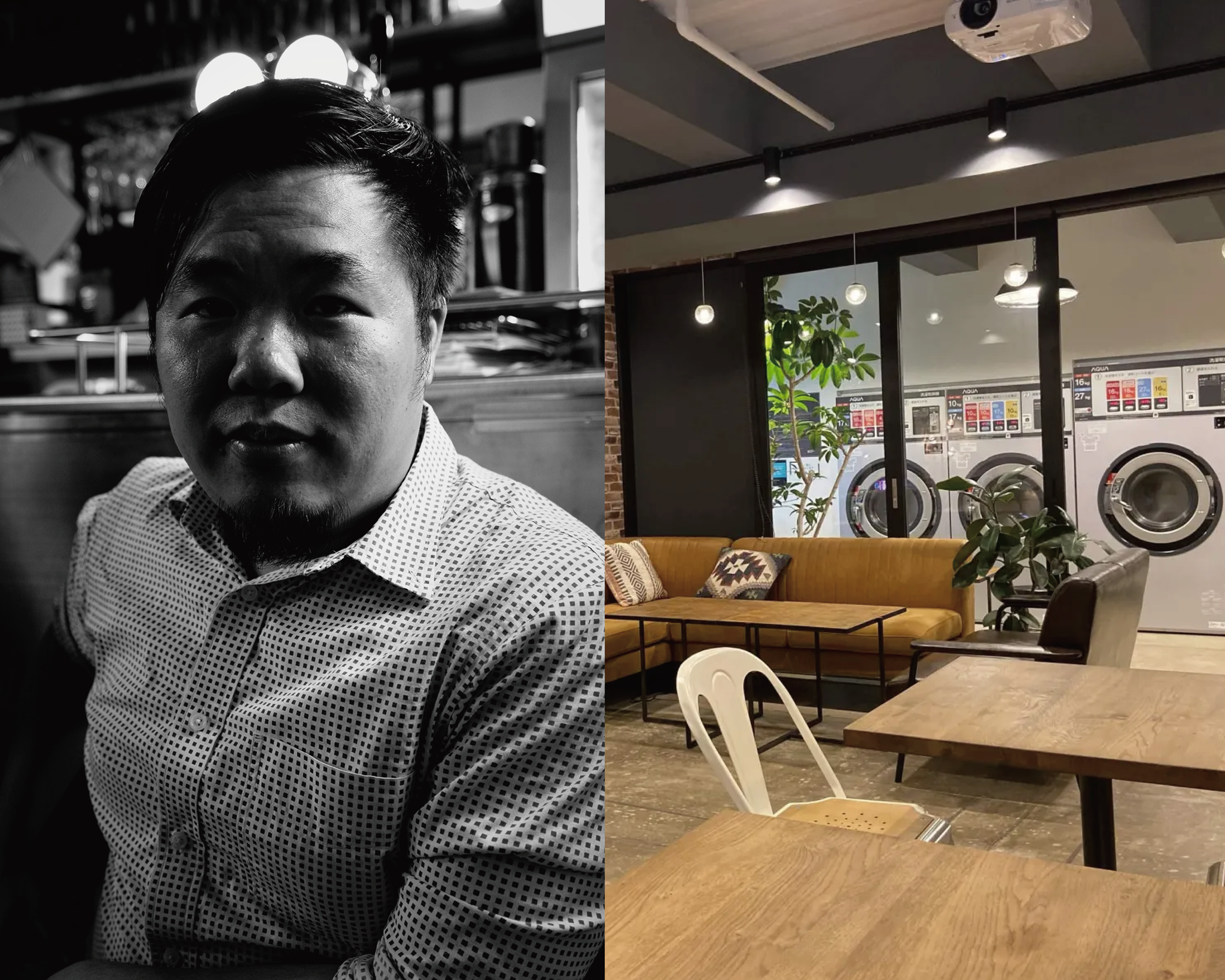
Curator in Residence|キュレーター・イン・レジデンス
滞在中の活動予定
リサーチテーマ: 食・アーカイブ・京都での出会いを通して、広東料理の歴史を再構成する
京都での滞在中は、広東料理の伝統と京都の食文化との歴史的・文化的・素材的なつながりをテーマに、アーカイブリサーチや料理の実践、地域の人々との交流に取り組む予定です。滞在中の調査や出会いを通して内容を発展させながら、京都という土地における食文化の交流と変化を探っていきます。
今回、活動の中心となるのは、20世紀初頭にルーツをもつ、京都独自の中華料理店の系譜である「鳳舞系」。地域の図書館やアーカイブなどでの資料調査に加え、料理人や京都の食文化に関わる人々への聞き取りなどを通して、広東料理の味や技法、料理が京都のなかでどのように受け入れられ、変化してきたのかをたどります。
歴史的な調査と並行して、豆腐や湯葉、京野菜など、京都に根づく食材と歴史的な広東料理のレシピを組み合わせた料理の再現や実験も予定しています。Kyoto Laundry Cafeのキッチンは、単なる調理の場ではなく、資料から得た知識を実際に料理し、試し、味わいながら検証するための「実験室」として活用する構想です。
滞在中には、料理と語り、歴史リサーチを組み合わせたレクチャー・パフォーマンスの制作も計画しています。1887年に出版された広東料理の料理書を手がかりに、そこに記された料理を実際に再現しながら、広東料理や香港の食文化が、移住や政治的な変化、異文化との出会いを通してどのように変化してきたのかを紹介するものです。特に、1842年以降の香港の植民地化と、中国各地や海外からの移住によって食文化がどのように形づくられていったのかにも目を向けます。観客も調理や試食に参加し、歴史を聞くだけではなく、味覚を通して体験できる場を目指します。
さらに、滞在期間を通して、少人数の食事会や試食会など、食卓を囲む交流の場を設けることも検討しています。京都で活動する人々や地域の人々、海外から京都を訪れているクリエイターなどが料理をともに味わい、それぞれの文化や経験について言葉を交わす機会です。食を媒介に、日常的で気軽な交流のなかから、異なる背景をもつ人々が出会うきっかけをつくります。
こうした活動を通して、滞在中は「リサーチと料理」「歴史と日常」「香港と京都」のあいだを行き来します。歴史的なレシピを過去の記録として扱うだけでなく、京都の食材や現在を生きる人々との出会いを通してもう一度ひらくこと。その実践を通して、食文化の歴史が現代の暮らしのなかでどのように受け継がれ、変化していくのかを探っていきます。
※以上は現時点で予定している活動内容です。滞在中のリサーチや地域の方々との出会いを通して、内容は随時発展・変更する可能性があります。
滞在期間
2026年10月1日〜31日
公式プログラム
- 10月2日 16:30–17:30|オリエンテーション
- 10月2日 18:00–20:00|歓迎交流会
- 10月5日 10:00–12:00|まち歩き
- 10月30日 18:00–20:00|お別れ交流会(予定)
Residency Plan
Research Theme: Reconstructing Cantonese culinary histories through food, archives, and encounters in Kyoto
During the residency in Kyoto, the creator - André plans to explore the historical, cultural, and material connections between Cantonese culinary traditions and Kyoto’s local food culture through archival research, culinary experimentation, and encounters with local communities. The project will continue to develop throughout the residency in response to the research, conversations, and encounters that take place in Kyoto.
A central focus of the research will be Hōmai-kei (鳳舞系), a lineage of Kyoto-style Chinese restaurants with roots in the early twentieth century. Through archival research in local libraries and collections, as well as conversations with chefs and others connected to Kyoto’s food culture, the artist hopes to trace how Cantonese flavours, techniques, and dishes were received and transformed within the particular cultural context of Kyoto.
Alongside this historical research, he also plans to experiment with reconstructing historical Cantonese recipes using ingredients closely associated with Kyoto, including tofu, yuba, and locally grown vegetables. The kitchen at Kyoto Laundry Cafe is envisioned as a kind of laboratory where knowledge gathered through archival research can be tested through making, tasting, and repeated experimentation.
The residency may also lead to the development of a lecture-performance combining cooking, storytelling, and historical research. Drawing on a Cantonese cookbook published in 1887, he plans to recreate selected dishes while exploring how Cantonese and Hong Kong food cultures have changed through migration, political shifts, and encounters between different cultures. Particular attention will be given to how Hong Kong’s colonial history from 1842 onward, together with migration from different regions of China and beyond, shaped the development of its food culture. The performance is intended to invite audiences not only to listen to these histories, but also to experience them through cooking and tasting.
Throughout the residency, he is also considering a series of small dinners and tasting gatherings centred around sharing a table. These gatherings may bring together people working and living in Kyoto, members of local communities, and international creators staying in the city. By sharing food and conversation, the artist hopes to create informal opportunities for people from different cultural backgrounds to meet and exchange experiences.
Through these activities, the residency will move between research and cooking, history and everyday life, Hong Kong and Kyoto. He hopes to reactivate them through local ingredients, contemporary encounters, and shared meals, exploring how culinary histories can be carried forward, transformed, and reinterpreted in the present.
The creator’s current plans for the residency and may evolve in response to research, encounters, and developments during the stay.
Residency Schedule
Residency Period
October 1–31, 2026
Official Programme
- October 2, 16:30–17:30 — Orientation
- October 2, 18:00–20:00 — Welcome Party
- October 5, 10:00–12:00 — Walking Tour
- October 30, 18:00–20:00 — Farewell Party (TBC)