🇦🇷 |Paula Cardenau
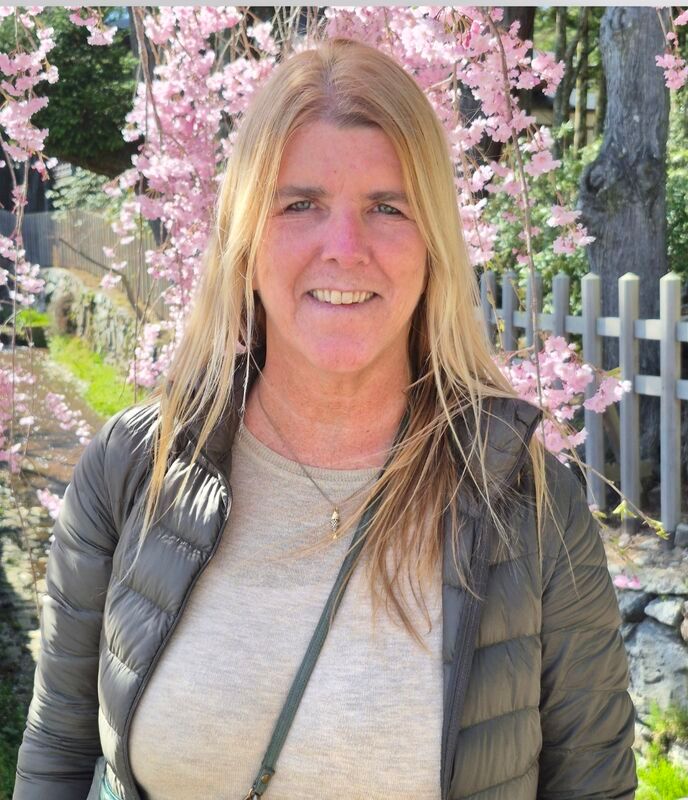
略歴 / Short Biography
パウラ・カルデナウ(Paula Cardenau)は、アルゼンチンを拠点に活動する社会起業家です。テクノロジー、社会的インパクト、経済的包摂が交わる領域で、20年以上にわたり活動してきました。
Ashokaでは10年以上にわたり、南米南部(コノスール)地域ディレクター、ラテンアメリカ統合ディレクターを務めました。その後、アルゼンチン初のソーシャルビジネス・アクセラレーターであるNjambreを共同設立。さらに、ラテンアメリカのテクノロジーサービス企業Arbustaを立ち上げ、社会経済的に厳しい環境にある若者、とりわけ若い女性たちが、実際のプロジェクトに携わりながら経験を積み、育っていける場をつくってきました。
こうした仕事と並行して、文章を書くこと、そして植物の形から着想を得た円形のインク画のタリスマン(護符)を描くことを続けています。描くという行為を、注意を向けること、そしてケアの実践として捉えています。
Paula Cardenau is an Argentine social entrepreneur with over 20 years of experience at the intersection of technology, social impact, and economic inclusion. She spent over a decade at Ashoka, serving as Director for the Southern Cone and Director of Latin American Integration, before co-founding Njambre, Argentina’s first social enterprise accelerator, and Arbusta, a Latin American technology services company that develops junior talent, primarily young women from fragile socioeconomic contexts, through real work on real projects. Alongside her professional practice, she writes and creates circular ink talismans inspired by botanical forms, exploring drawing as a practice of attention and care.
活動について / About you
20年以上にわたり、社会の仕組みから取り残されてきた人たち、とくにテクノロジーの世界に足を踏み入れようとする若い女性たちに向けて、機会をつくる仕事をしてきました。そのなかで自分がもっとも心を惹かれるのは、仕事そのものだけではなく、誰かが先に自分を信じてくれたとき、その人が自分自身の見方を変えていく瞬間だと気づきました。
母であり、サーファーであり、書く人でもあり、人への贈り物として円形のインク画のタリスマンを描いています。こうした一つひとつは仕事と切り離されたものではなく、私がどう人を導き、どう耳を傾け、どうつくるのかを形づくっています。一枚の絵は必ず、ある特定の誰かを思い浮かべながら描きはじめます。それは小さな注意の行為であり、のちに金属のメダルに刻まれ、その人へと贈られます。
近年は、立ち止まること、観察すること、意味のある対話が生まれるような場所に、より強く惹かれるようになりました。はじめて京都を訪れたとき、手元に残ったのは答えではなく問いでした。だからこそ、もう一度この場所に戻ってきます。このレジデンスを、速度を落とし、他者に、異なる文化に、そしておそらく自分自身にも、深く耳を傾けるための時間にしたいと考えています。
I’ve spent more than twenty years creating opportunities for people who have been systematically left out, especially young women entering the world of technology. Over time, I’ve realized that what fascinates me most is not only the work itself, but how people begin to see themselves differently when someone believes in them before they fully believe in themselves.
I’m a mother, a surfer, a writer, and I draw circular ink talismans as personal gifts. These different parts of my life are not separate from my work: they shape the way I lead, listen, and create. Each drawing begins while thinking of a particular person, becoming a small act of attention that is later engraved on a metal medallion and given away.
I’m increasingly drawn to spaces that invite stillness, observation, and meaningful conversation. My first visit to Kyoto left me with questions rather than answers, and that’s precisely why I’m returning. I see this residency as an opportunity to slow down, to listen deeply, to others, to a different culture, and perhaps also to myself.
滞在中の活動予定 / Your plan during the residency
京都で過ごす一ヶ月は、アルゼンチンで行ってきた一連のインタビューに向き合う予定です。テクノロジー業界で得た最初の仕事が、その後の人生を大きく変えた女性たちの語りです。それらの会話をあらためて聴き直しながら、彼女たちが自分自身の姿や、自分に開かれた可能性をどう捉え直したのか、その転機となった瞬間を探していきます。そこから、AIによって不確実さが増す労働環境のなかで最初の機会を探している若い人たちに届くような、短編映像のシリーズをつくりたいと考えています。
同じくらい大切にしたいのは、このレジデンスを思考のための時間にすることです。日々の仕事から距離を置き、京都の生活のリズムのなかで、長いあいだ自分とともにあった問いをもう一度考えてみたいと思っています。人は本当の機会を与えられたとき、何が変わるのか。文化を越えて普遍的なものは何で、文脈によって大きく形づくられるものは何か。
また、新大宮広間のコミュニティやその周辺のネットワークにいる女性たちと気軽に話す機会を通して、日本では仕事やジェンダー、可能性がどのように経験されているのかを知りたいと思っています。仮説を証明するための調査計画を持って訪れるのではなく、純粋な好奇心と、互いの視点を交わしたいという気持ちを持っていきます。
こうした活動と並行して、日々の制作も続けます。滞在のなかで出会った人や物語について考えながら、円形のインク画のタリスマンを描いていきます。もし関心を持ってくれる人がいれば、絵を描くことを糸口にして、変化や帰属、それぞれが辿っている道について語り合うような、小さな集まりを一、二回ひらいてみたいとも考えています。
During my month in Kyoto, I’ll be working with a series of in-depth interviews conducted in Argentina with women whose first job in technology profoundly shaped their lives. My focus will be on listening again to these conversations, identifying the moments that changed how they saw themselves and the possibilities they imagined for their future. From these stories, I hope to develop a series of short videos that can encourage young people who are currently looking for their first opportunity in an increasingly uncertain job market shaped by AI.
Equally important, I hope to use the residency as a space for reflection. The distance from my everyday work, together with the rhythm of life at Shin-Omiya Hiroma, will allow me to think more deeply about the questions that have accompanied me for years: What changes in a person when they are given a genuine opportunity? What remains universal across cultures, and what is deeply shaped by context?
Through informal conversations with women in the Shin-Omiya Hiroma community and its wider network, I’d love to learn how work, gender, and possibility are experienced in Japan. I’m not arriving with a research agenda to prove a hypothesis, but with genuine curiosity and a desire to exchange perspectives.
Alongside this work, I’ll continue my daily drawing practice, creating circular ink talismans as a way of reflecting on the people and stories I encounter. If there’s interest, I’d also love to facilitate one or two informal gatherings using drawing as a way to open conversations about change, belonging, and the paths we’re each becoming.