Cultivating "the Ordinary" Together — Government and Community. How a Residency Program is Weaving a Safety Net for the City
The Japanese version of this Article can be read from here!
How do you create a state in which it feels completely natural for an overseas creator to simply be there? Behind “*** in Residence Kyoto” (Asterisk in Residence Kyoto), carried out across Kyoto City in fiscal year 2025, lay something far beyond simply offering a place to stay: careful “groundwork” laid jointly by the city government and private partners. Five people — a residence owner, a coordinator, a director, and two city officials — came together to reflect on the residency program and its community partnerships, and to talk about what comes next, determined not to let it end as a one-off event.
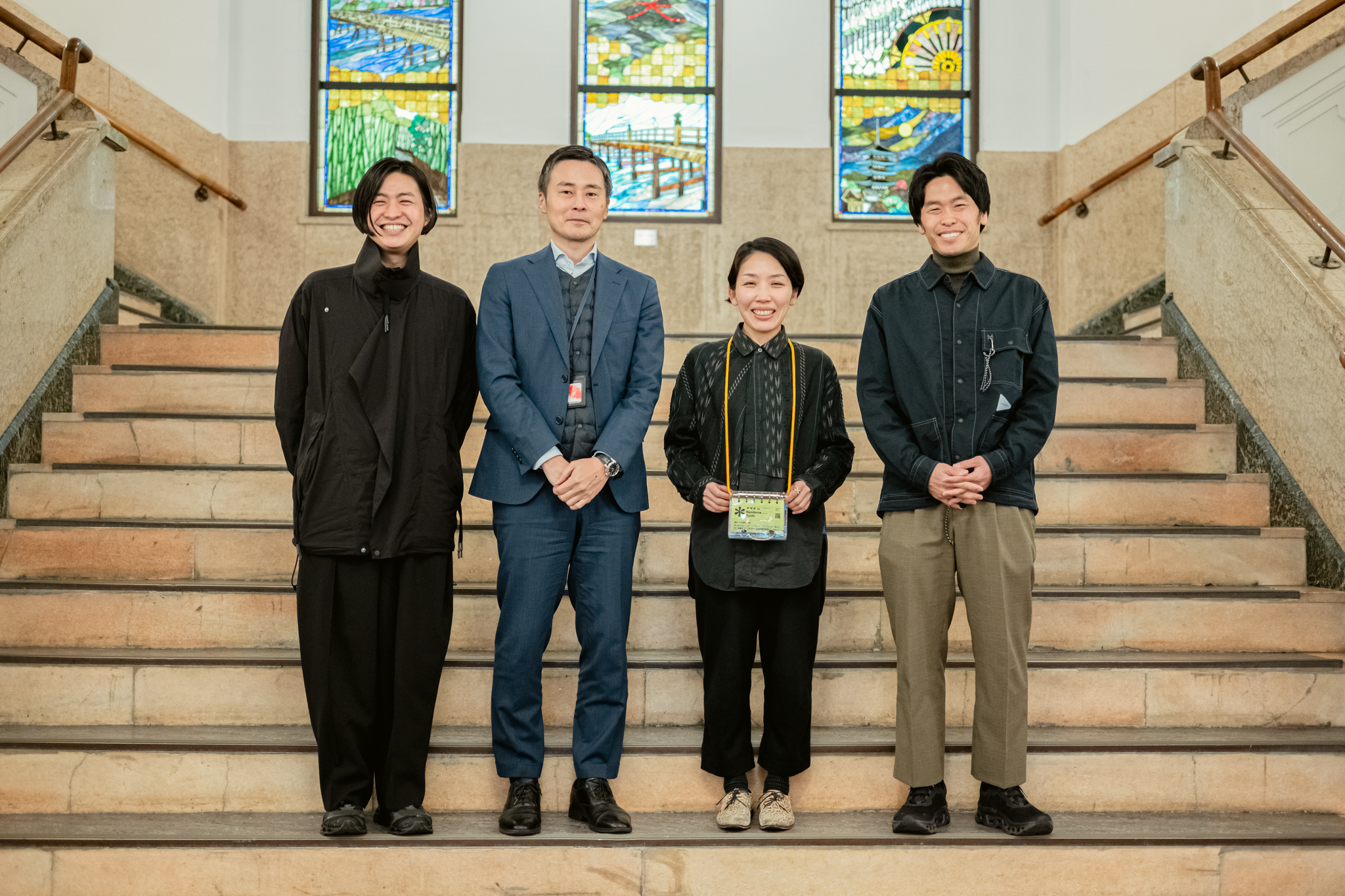
Roundtable Participants (from right)
- Seiya Konishi (Kyoto City Community Self-Governance Promotion Office)
- Masako Ueda (Coordinator)
- Makoto Kuratani (Kyoto City Cultural Arts Division)
- Masahiko Takeda (Residence Owner | Former Nishijin Textile Factory)
- Mariko Sugita (Director | Bridge Studio) *Remote participation
Interviewer: Aika Enoki (MAGASINN Inc.)
Reporting & Text: Chiaki Ogura
Photo: Konami Okazaki (MAGASINN Inc.)
Laying the Groundwork for a State Where It's Completely Normal to Simply Be There
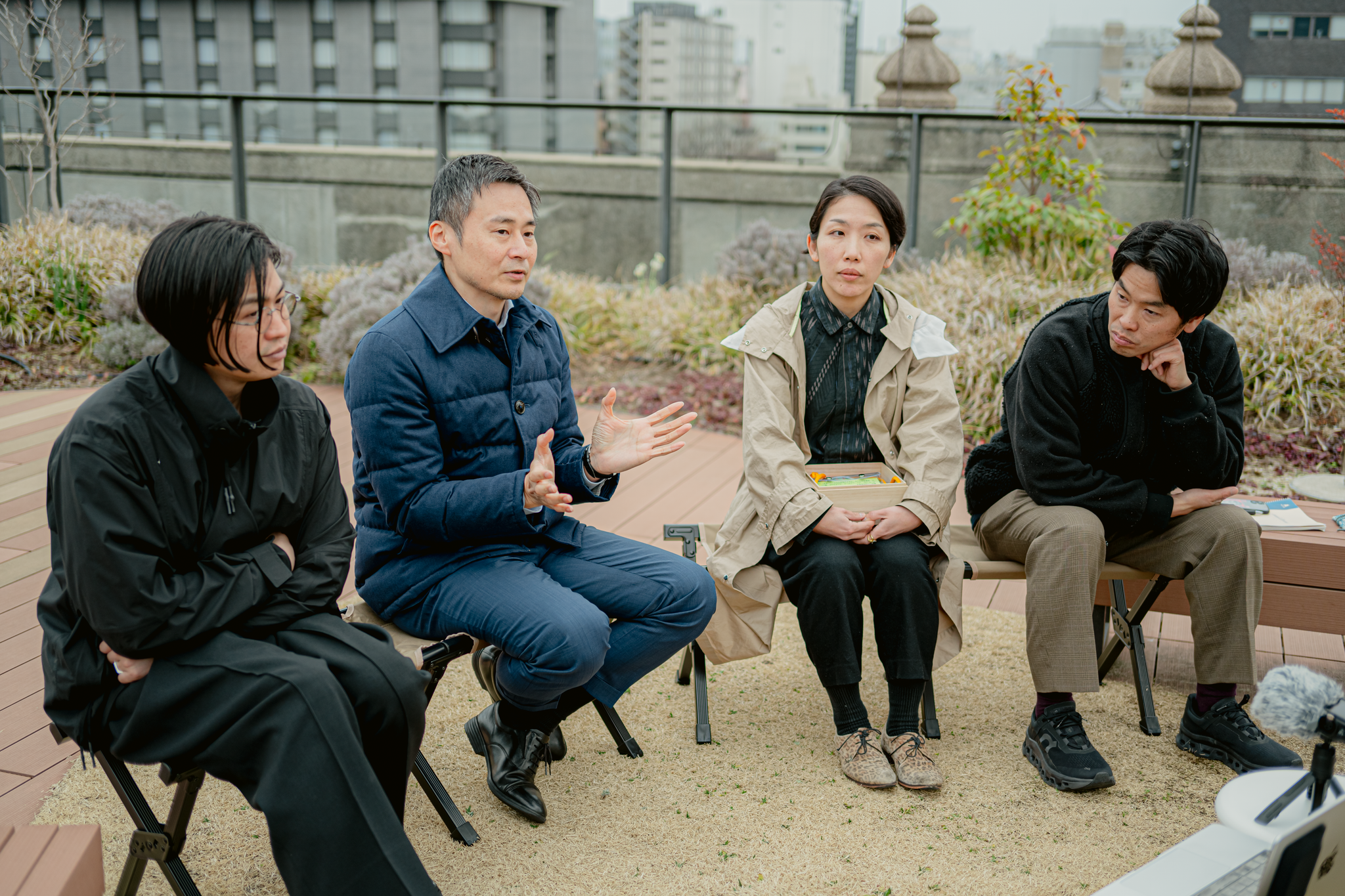
— In this year's model project, the city government, ward offices, and private facilities worked closely together. When it actually came to entering the community, how did you feel the effect of that collaboration?
Makoto Kuratani
Ever since last year, “connecting with the community” has been a challenge for us. Even so, being able to work together this year with the Community Self-Governance Promotion Office, where Konishi-san works, made a real difference. We were able to ask the ward office to act as a bridge to the leaders of the neighborhood associations — the community's key figures. Our first goal, above all, was simply to avoid being told “you can't do that.” For that, we made full use of the “credibility” that comes with being a City of Kyoto project.
Masahiko Takeda
The effect was enormous. Even the chairperson of the school district association, someone I would never have had a connection to on my own, welcomed our project warmly once the ward office introduced us and I visited to greet him together with someone from Kyoto City Hall. When I went to greet him together with an overseas creator, he even prepared tea for us. It gave me a real sense of being “protected.”
Mariko Sugita
Coming from someone like me, who has run a residency independently, I really understand how valuable that is. Because my partner is a foreign national, I've always had to be quite careful about how I approach relationships with the local community. Sometimes people look at you strangely simply for being a foreigner, or you get anonymously reported to the authorities — it can be exhausting every time. Having someone from the administration actually come out to a place like that and work alongside us — just having the community see that gives our activities a kind of stamp of approval, a sense that “this is a legitimate initiative.” Honestly, I'd love to frame that stamp of approval and hang it on the wall forever (laughs).
— Beyond simply inviting overseas creators, what kind of care did you take in “preparing the ground” for them to blend into the community?
Mariko Sugita
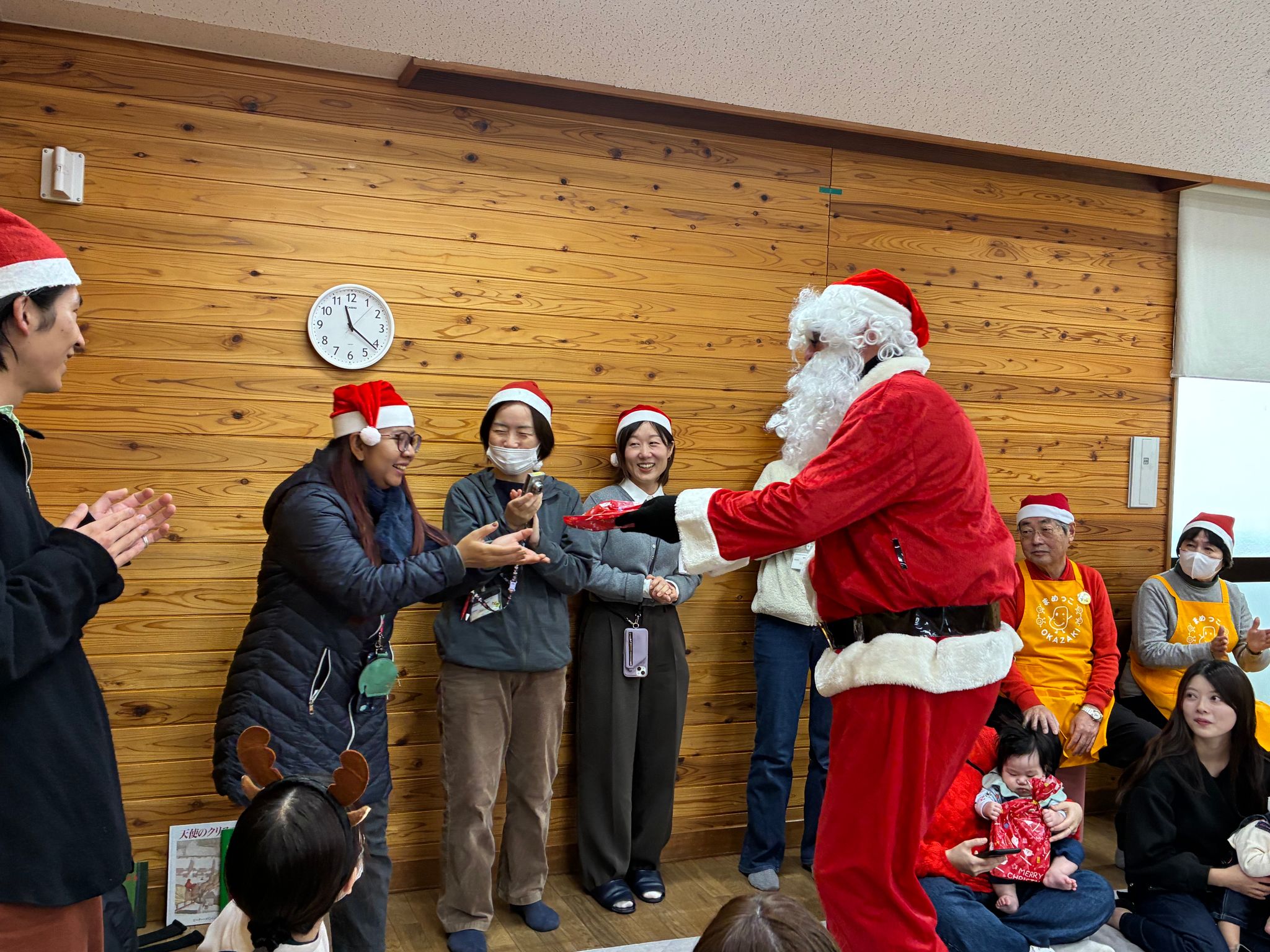
I think the most important thing is creating a state where it feels completely natural for the overseas creator to simply be there. For example, Zun, a creator from Myanmar, was invited to a local nursery school's Christmas party through connections made via the Sakyo Ward Office and local residents where she was staying. She didn't really do anything in particular — she just sat toward the back, took part in the event, and enjoyed herself. But I felt that this kind of atmosphere, this sense of “a person from overseas is here, and that's perfectly fine” — that groundwork of acceptance — is exactly what leads to a longer-term sense of security.
Masako Ueda
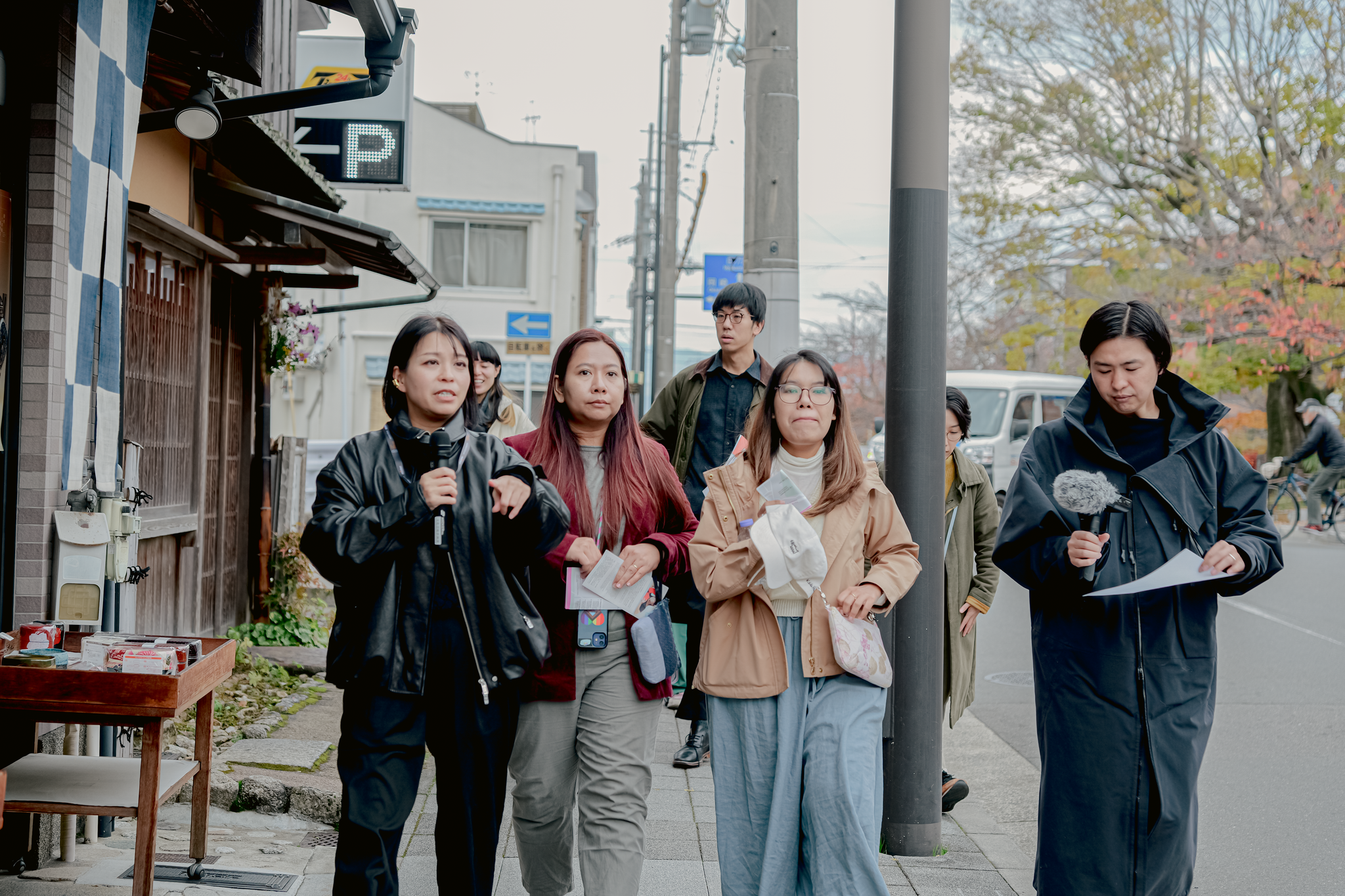
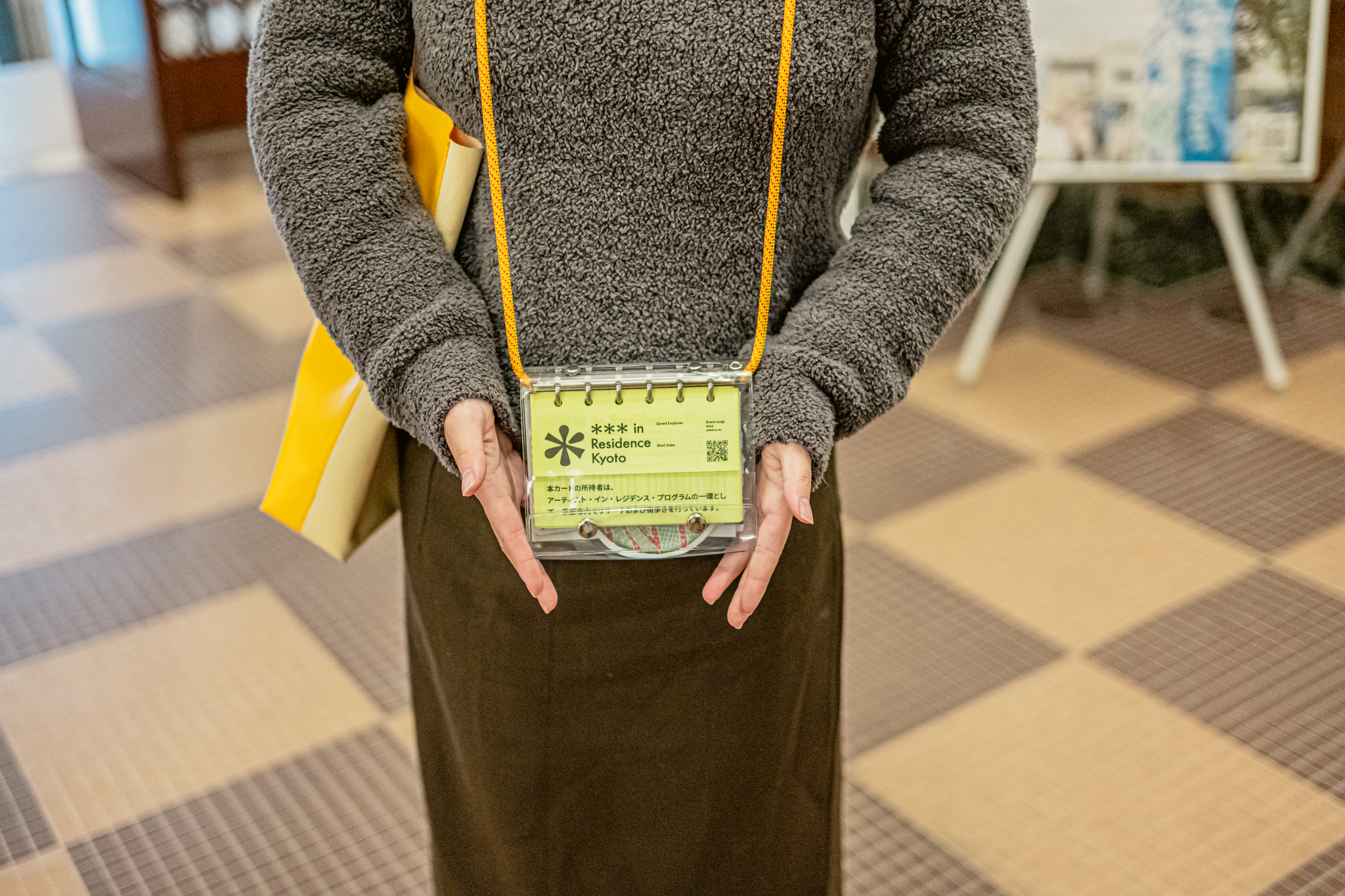
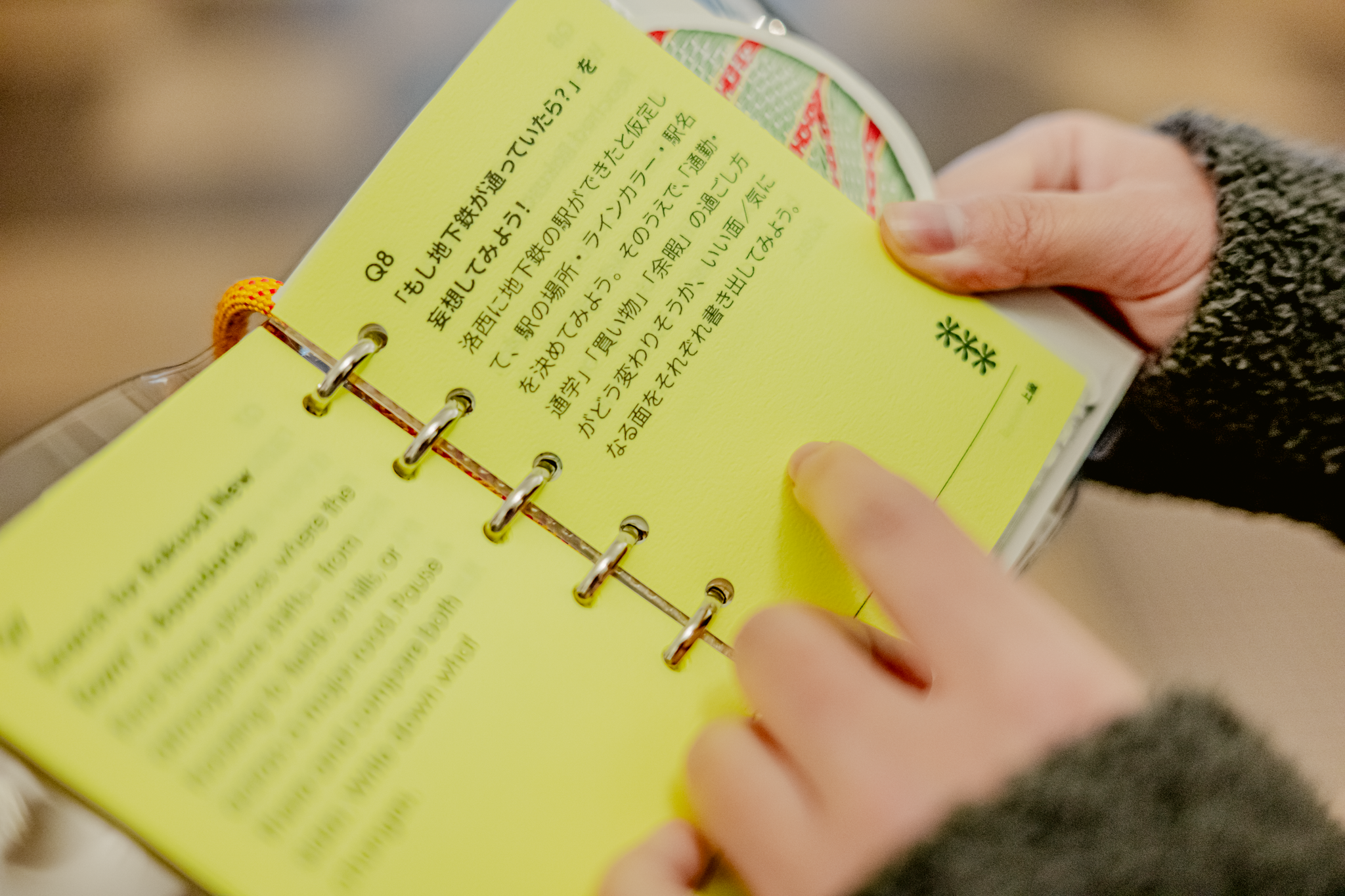
The “Area Walking Tour,” which I helped plan, is part of that same effort. In each of the six wards where this year's model project ran, local coordinators, creators, and university students who know the area put together walking tours from a perspective different from ordinary tourist guides — imagining, “how would I show a friend around if they came to visit?” I feel that raising the community's “resolution” in these small, granular ways is what dissolves a creator's sense of being an outsider.
Mariko Sugita
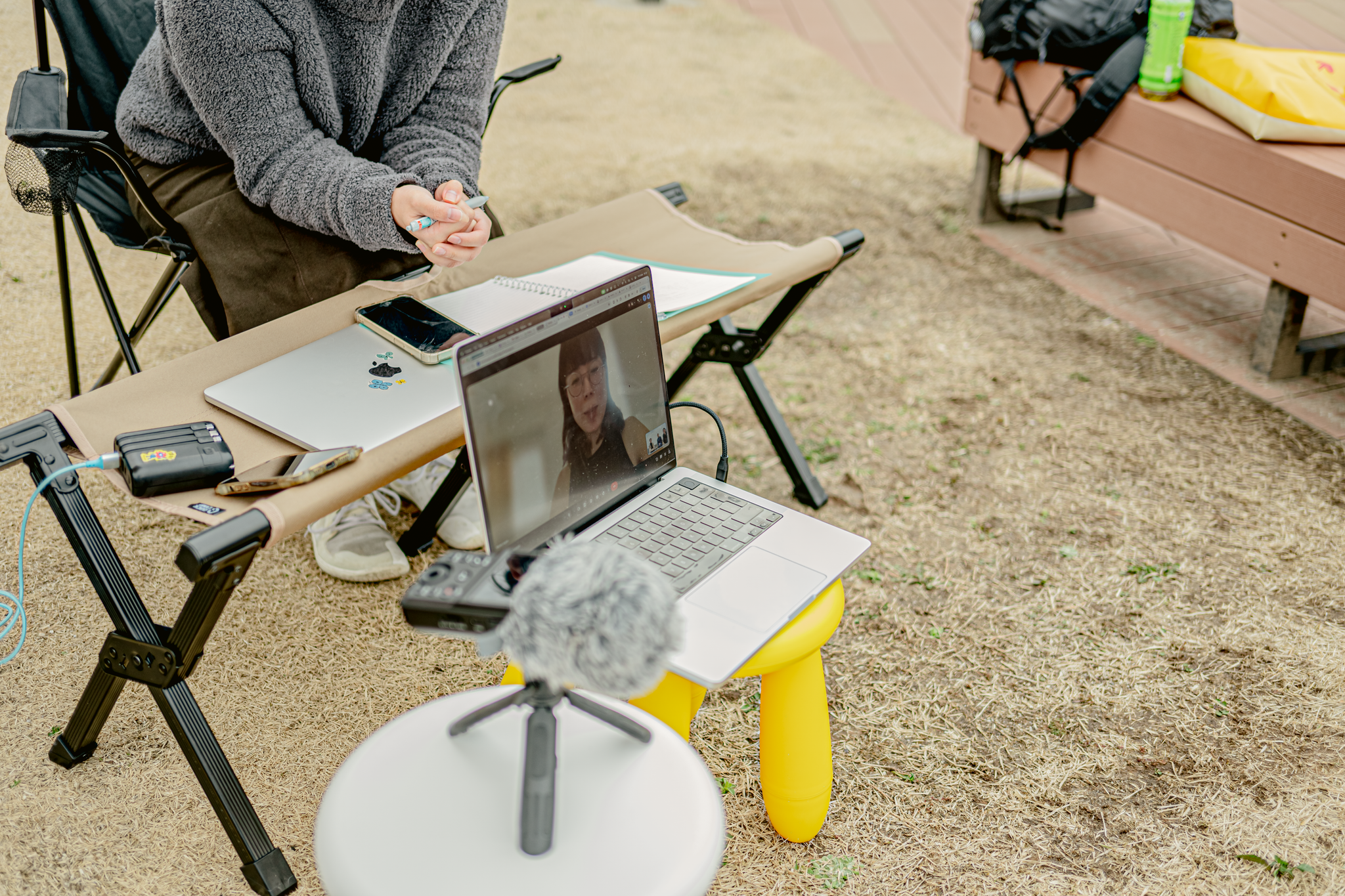
Exactly. Whether or not there's someone who lets you “scan the overall picture” of a place as soon as you arrive — that alone completely changes the quality of your stay and your impression of the country. Right now (as of March 2026), I'm actually doing an artist residency in Nigeria myself, and before anyone introduced me to the local area, being in a state of “not being introduced to anyone” was truly isolating — I even felt a kind of despair, like I had become a helpless baby again. It's really reaffirmed for me just how essential the role of a coordinator is in designing those early touchpoints.
"So you're going home tomorrow?" — Small Exchanges, Steadily Accumulating
ー Please tell us an episode that left a strong impression on you throughout the program.
Masahiko Takeda
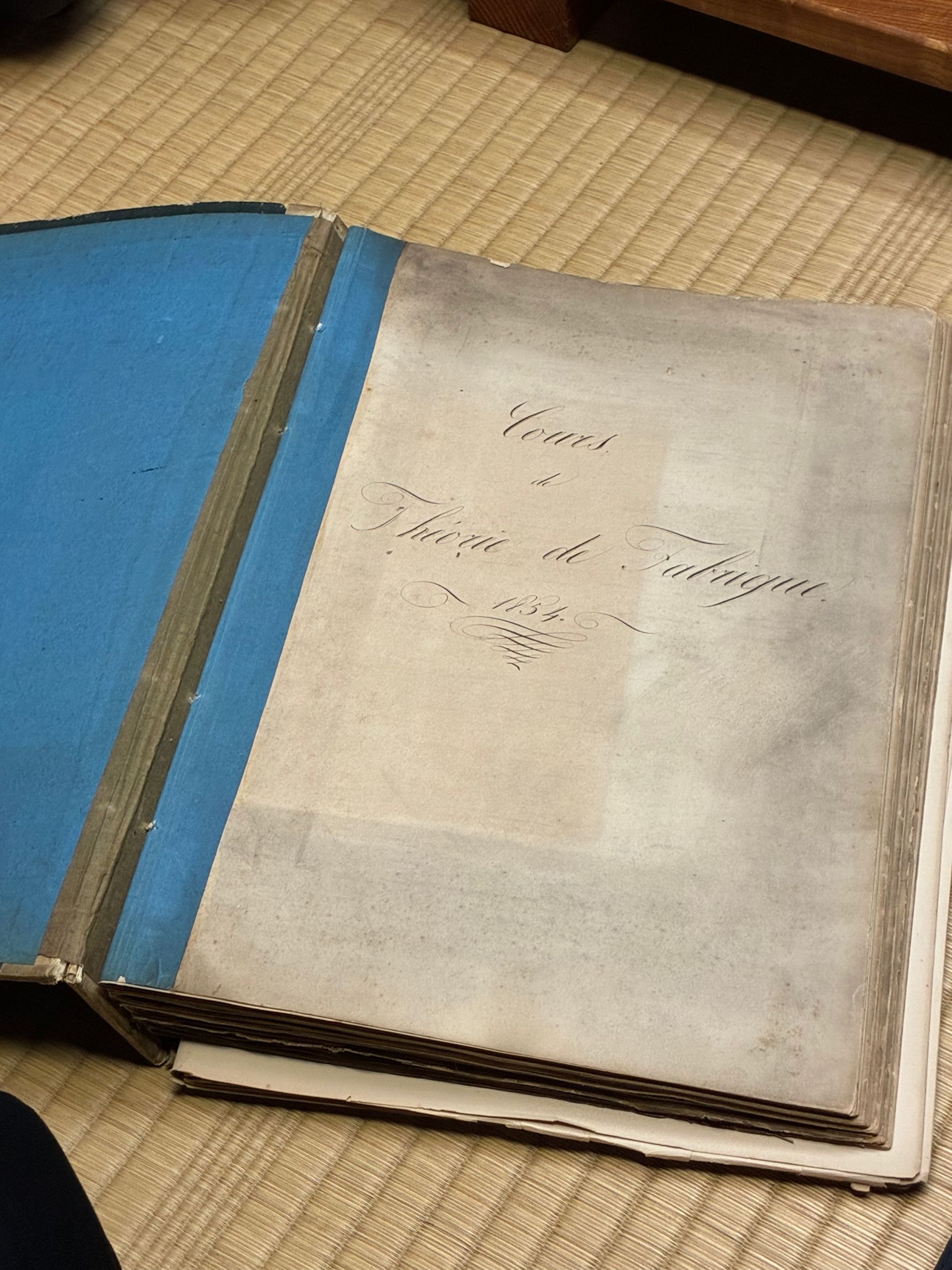
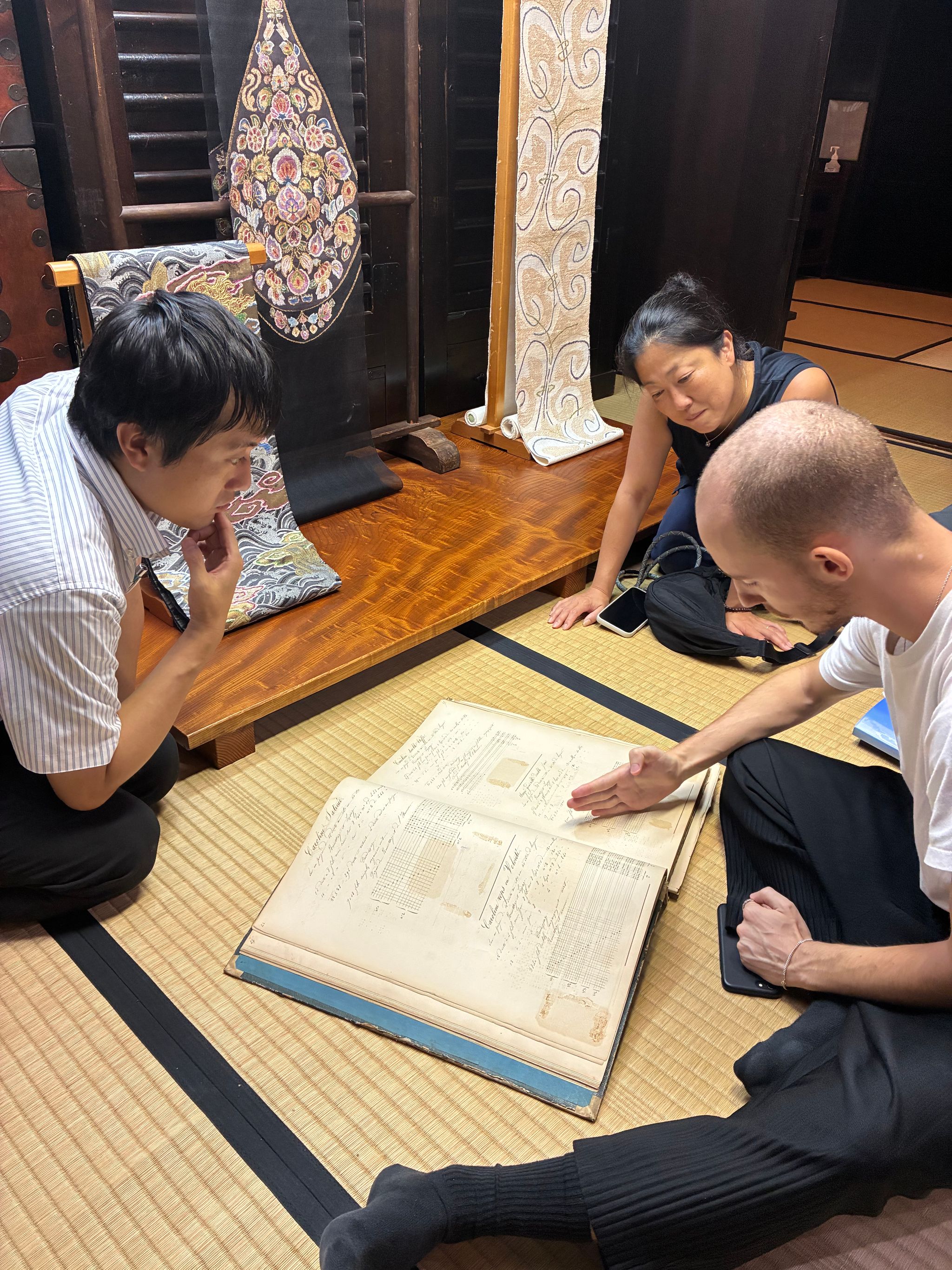
One moment that stands out is when French creator Paul Bonneville was shown a French-language weaving textbook at Obiya Sutematsu, a Nishijin-ori weaving workshop—a book that had been brought back to Kyoto from France over 150 years ago. As Paul deciphered the old French and began explaining the diagrams, saying things like "this means this," the people at the weaving workshop were overjoyed, exclaiming, "This is the first time we've ever understood what it says!!" Through an exchange of culture and technique that crossed both eras and borders, the distance to the local community closed in an instant.
Makoto Kuratani
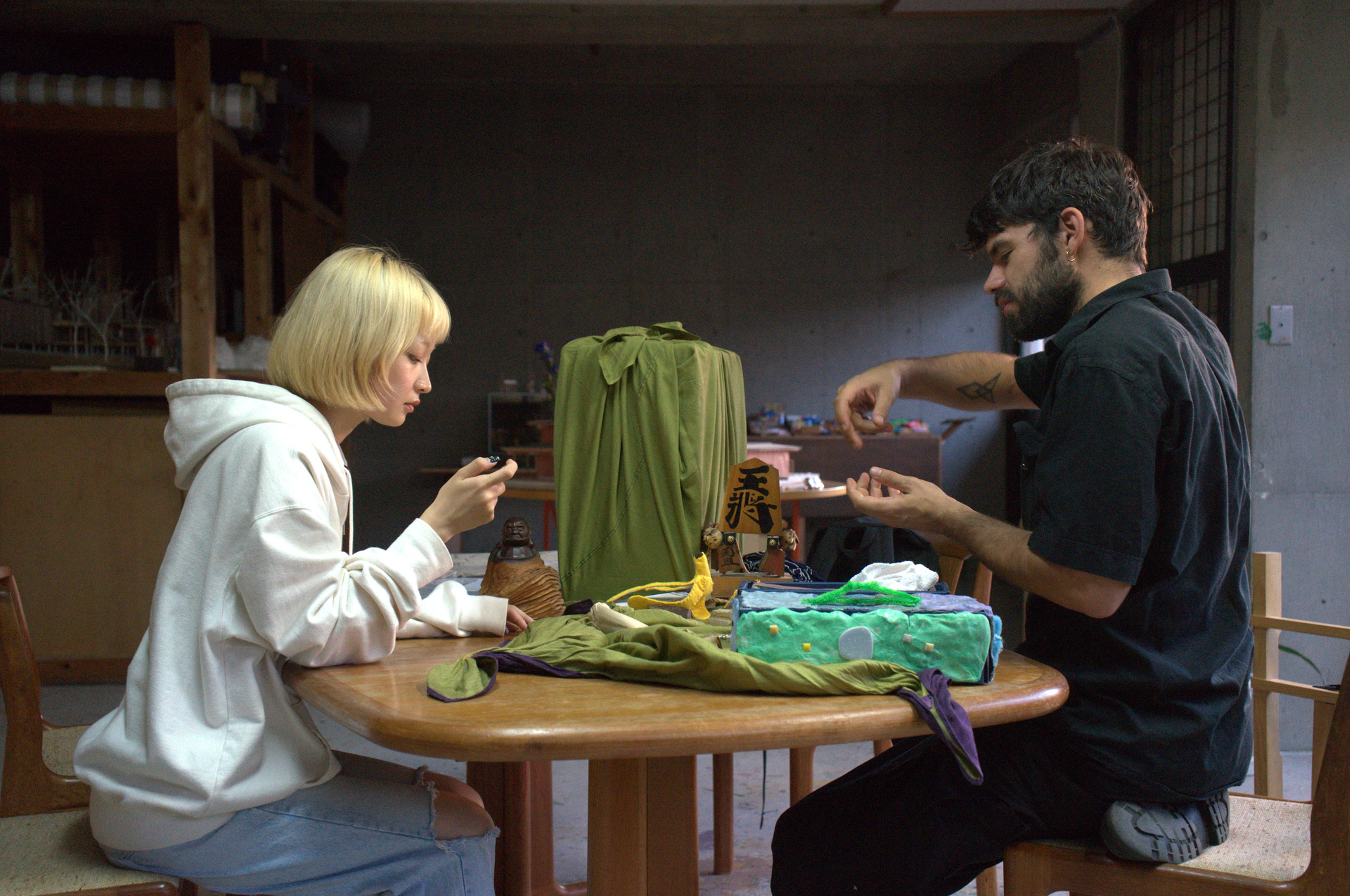
The episode at Funaoka-yama was also wonderful. An announcement that creator Jules Goliat would be visiting appeared in the Kita Ward edition of the citizens' newspaper (Shimin Shimbun). A local resident who read it went out of their way to come and meet him. This person had moved to Kyoto from another prefecture and, apparently, had had no connection to the local community—living in a somewhat withdrawn, isolated state. But the communication concept the overseas creator had devised—"exchanging objects"—became the catalyst, and it was a moment where a government publication gave someone the push to take a brave personal step. Seeing initiatives like this spread through the community, I really felt that a kind of "soil" was steadily forming among the community's key figures—one ready to welcome new stimulation.
Masahiko Takeda
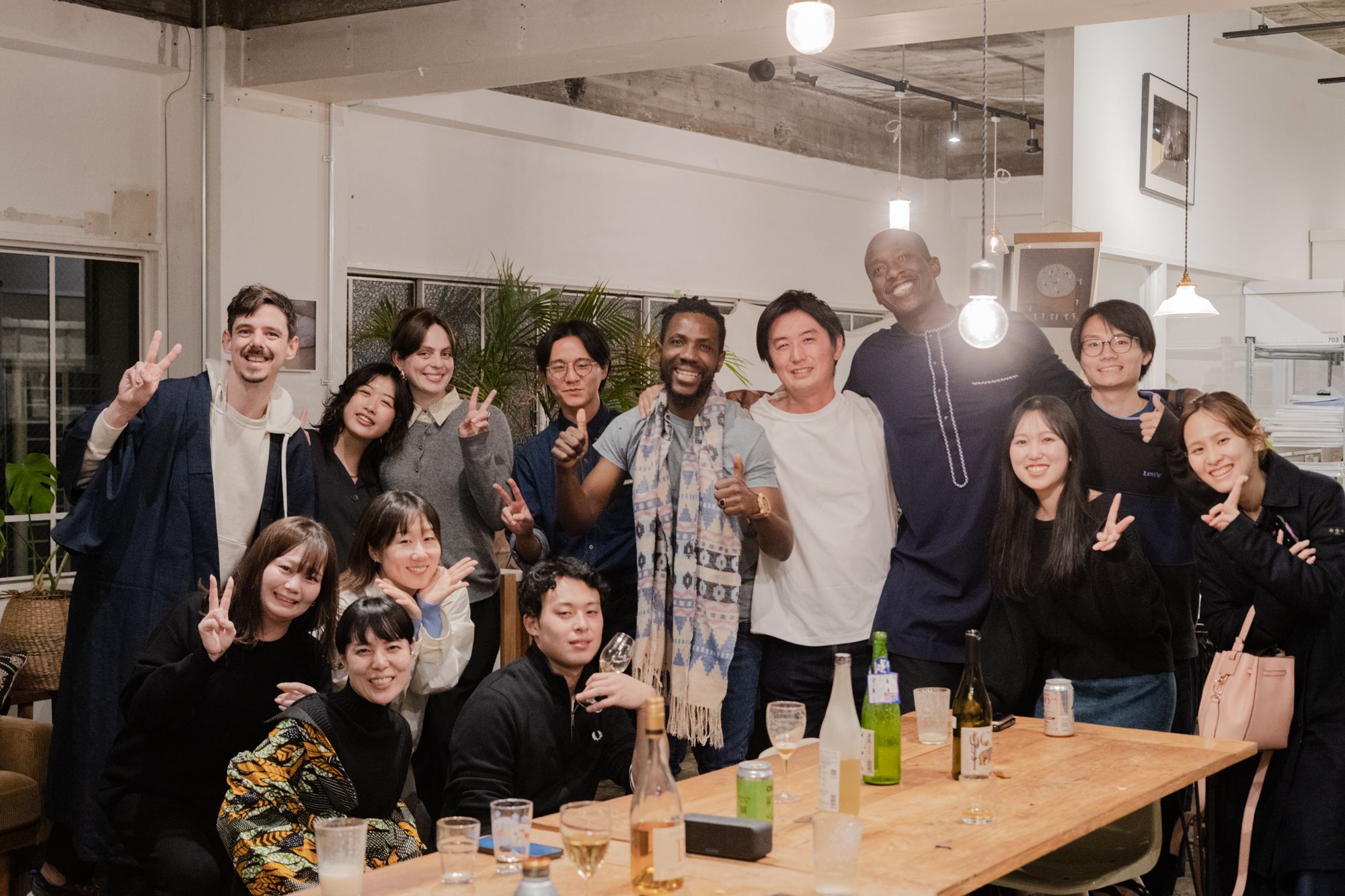
On the day Sten Kaj, who had been staying in Umekoji, was leaving Japan, I saw him surrounded by local residents saying, “So, you're leaving tomorrow, huh? It's going to be lonely without you,” all of them reluctant to say goodbye — and it made me happy, as if it had happened to me. It made me realize that, even in places we weren't aware of, a genuine “everyday life” had truly taken shape over that one month of the residency.
— What a moving moment!
Masako Ueda
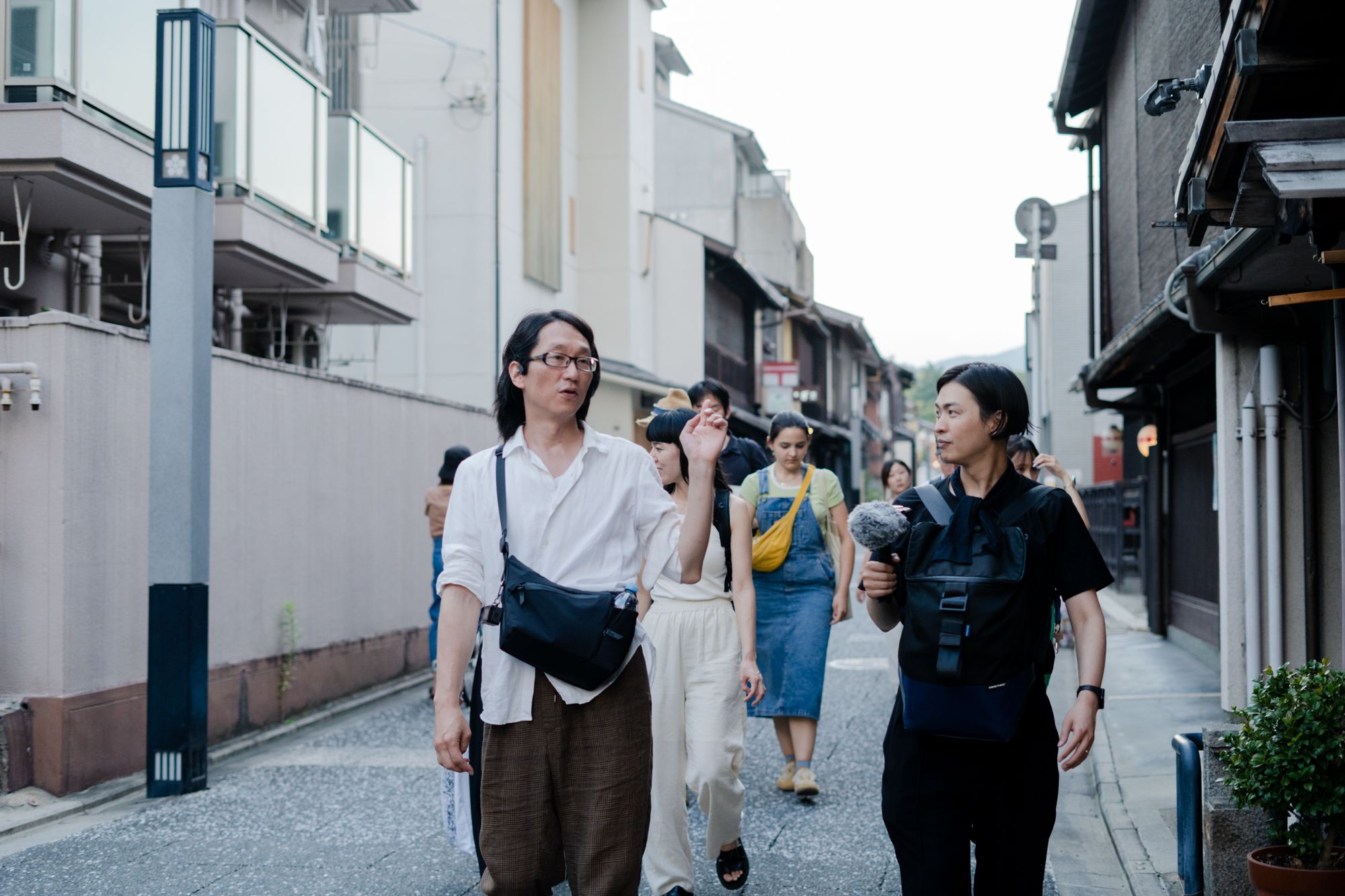
On the Area Walking Tour in Kamigyo Ward, coordinated by Iidaka-san, who runs ANEWAL Gallery, we walked through what's said to be the narrowest alley in Japan, and I remember being told, “Don't step on the manhole covers in the alley — they're old, and they're something precious to the local people.” I'd never looked at a town from that kind of perspective before, so it felt fresh, and it taught me local etiquette all over again. Also, when Kinoshita-san of FabCafe Kyoto ran an Area Walking Tour for us in Shimogyo Ward, we happened to be hosting two artist-curators from Cameroon and two artists from the Netherlands at the same time. That created not just a connection with the community, but also a valuable “horizontal connection between creators” — which was a real gain.
Masahiko Takeda
In my area, someone from the Kamigyo Ward Office introduced me to a “morning café,” and that's where my connection with the community began. It's a place where everyone, from students to older residents, introduces what they're working on. From there, I was smoothly connected with local key figures, ended up planning things together with students from Doshisha University, and my own activities gradually came to be reflected in the community. Thanks to the residency, there was also a process where I, as the owner, rediscovered for myself what kind of people live in my own neighborhood and what kinds of collaborations might be possible.
Mariko Sugita
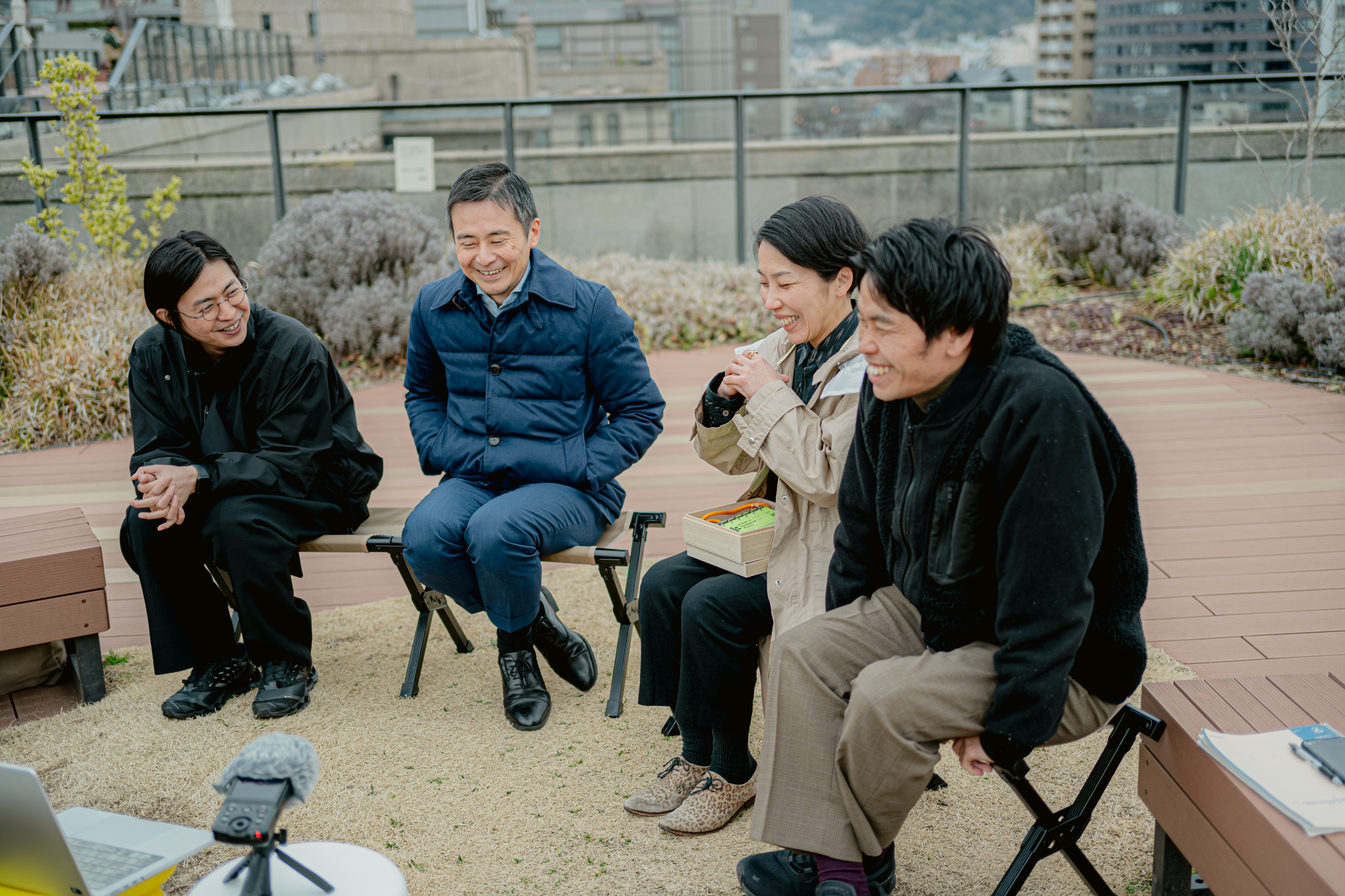
There's also the horizontal connections that cross fields and regions. It was great to meet coordinators and residence owners who share the same struggles, at events like “*** Sakaba” and “MEETUP.” Having that kind of emotional support to ease the loneliness became a real source of strength for keeping the work going.
Residencies Becoming a New “Safety Net” for the Community
— By the way, at the ward offices, the title for this role changed from “Machizukuri Advisor” to “Machizukuri Collaborative Coordinator.” What was the intention behind this name change?
Seiya Konishi
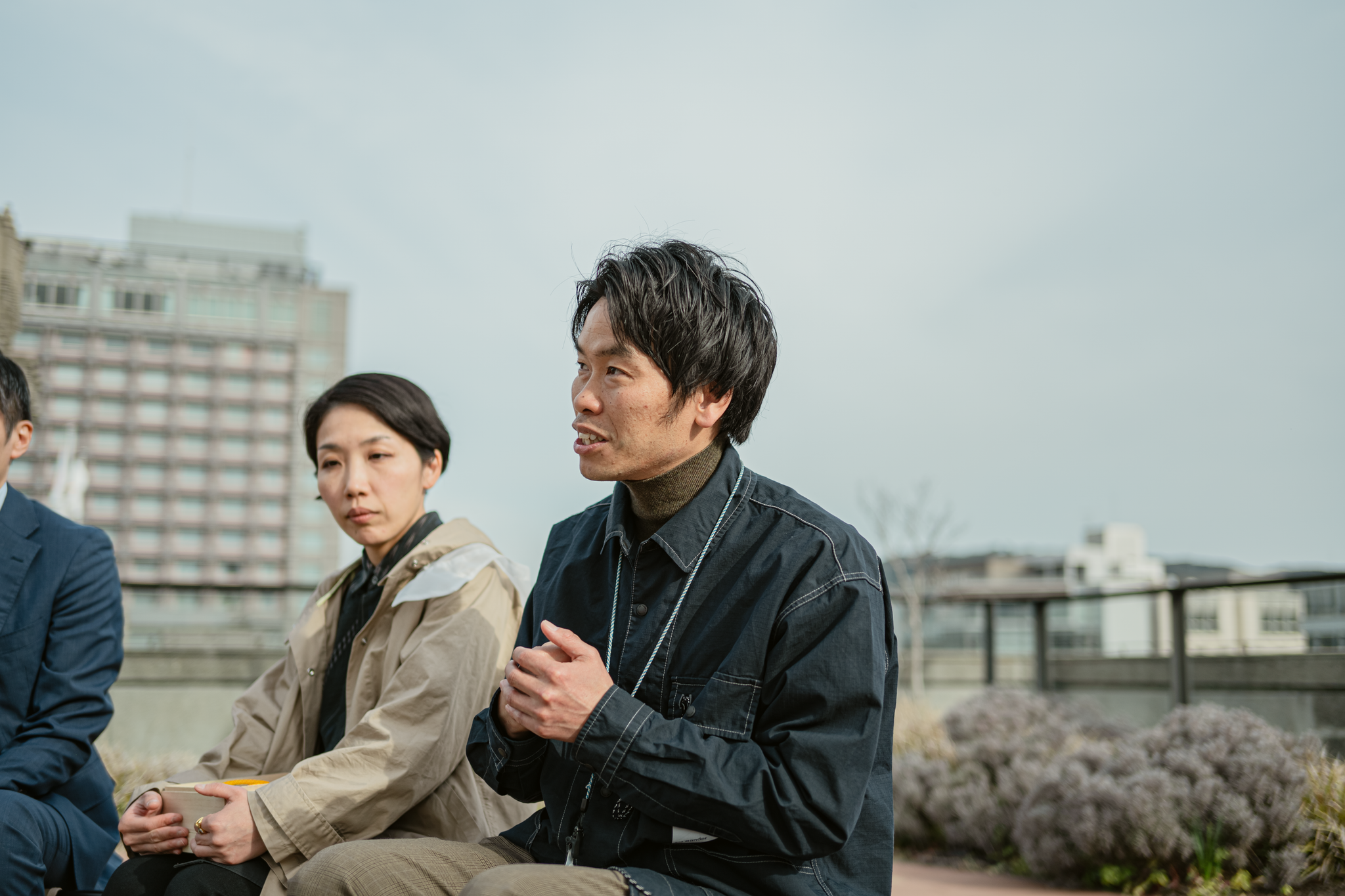
As the word itself suggests, “advisor” seemed to give the impression of an expert offering advice from above. What communities need today is a role that stands between different layers and players, coordinating and moving things forward. I feel that the role of “collaborative coordinator” fits well with this project too, in the sense of “running alongside a diverse range of players.”
Makoto Kuratani
We've also held study sessions for coordinators, but there isn't just one correct answer or definition. What is clear, though, is that there's a limit to how much coordination one person alone can carry. That's exactly why I think it's important not to have any one specific person shoulder it all, but instead for everyone to hold the mindset that “we're all coordinators.”
Seiya Konishi
What matters is increasing the number of relationships where people can consult each other, relationships where you actually know each other's faces. It's about everyone having that mental map where, when something goes wrong, you think, “ah, I can just ask that place, or that person.”
Makoto Kuratani
When the same person stays in a role for a long time, their individual “color” inevitably becomes strong, which also carries the risk of making it harder for others to step in. Rather than depending on any specific “person,” I think it's important to keep building up functions as an “open system” that anyone can rely on. I believe that becomes the organizational foundation for increasing our allies and expanding the base of people involved.
— I understand that, heading into fiscal year 2026 (Reiwa 8), you plan to further strengthen collaboration with each ward office's Hub function (Ward Hub).
Seiya Konishi
In local communities like neighborhood associations, the content used to generate vibrancy has grown stale — for instance, even initiatives like senior citizen salons often fail to attract people, deepening isolation. By bringing in a residency as “new content,” we can draw together a diverse range of people, which in turn functions as a safety net that prevents loneliness and isolation. Our mission is to support “resident self-governance,” and I'm convinced that residencies are one solution to this challenge.
Makoto Kuratani
Going forward, having points of contact with the world outside Japan is something we can no longer avoid in our daily lives. Within the administration, there are still people who see this as “some project nobody really understands,” and there's always some risk involved — which is exactly why, both inside and outside city hall, what I keep most in mind, above all else, is “not making enemies.” A negative impression like “it's just those people getting excited among themselves” can spread through a community in an instant. That's exactly why I want to keep steadily increasing the number of people on our side, and work together with everyone to build a Kyoto where it becomes completely natural for local residents to look forward to wondering, “I wonder what kind of person will come next?”
Closing Thoughts from the Roundtable
Creators arriving in Kyoto as a “fresh breeze” meet the community and gradually become part of it. That process requires careful, deliberate steps toward mutual understanding — but with the administration's “seal of assurance,” the local coordinators' “careful translation,” and the owners' “open hearts,” the boundaries between them will surely dissolve, vividly and completely. *** in Residence Kyoto is not simply about supporting creators. It is also a safety net for the future — one that brings new content and new “connections” to communities grappling with challenges like population decline and an aging society.