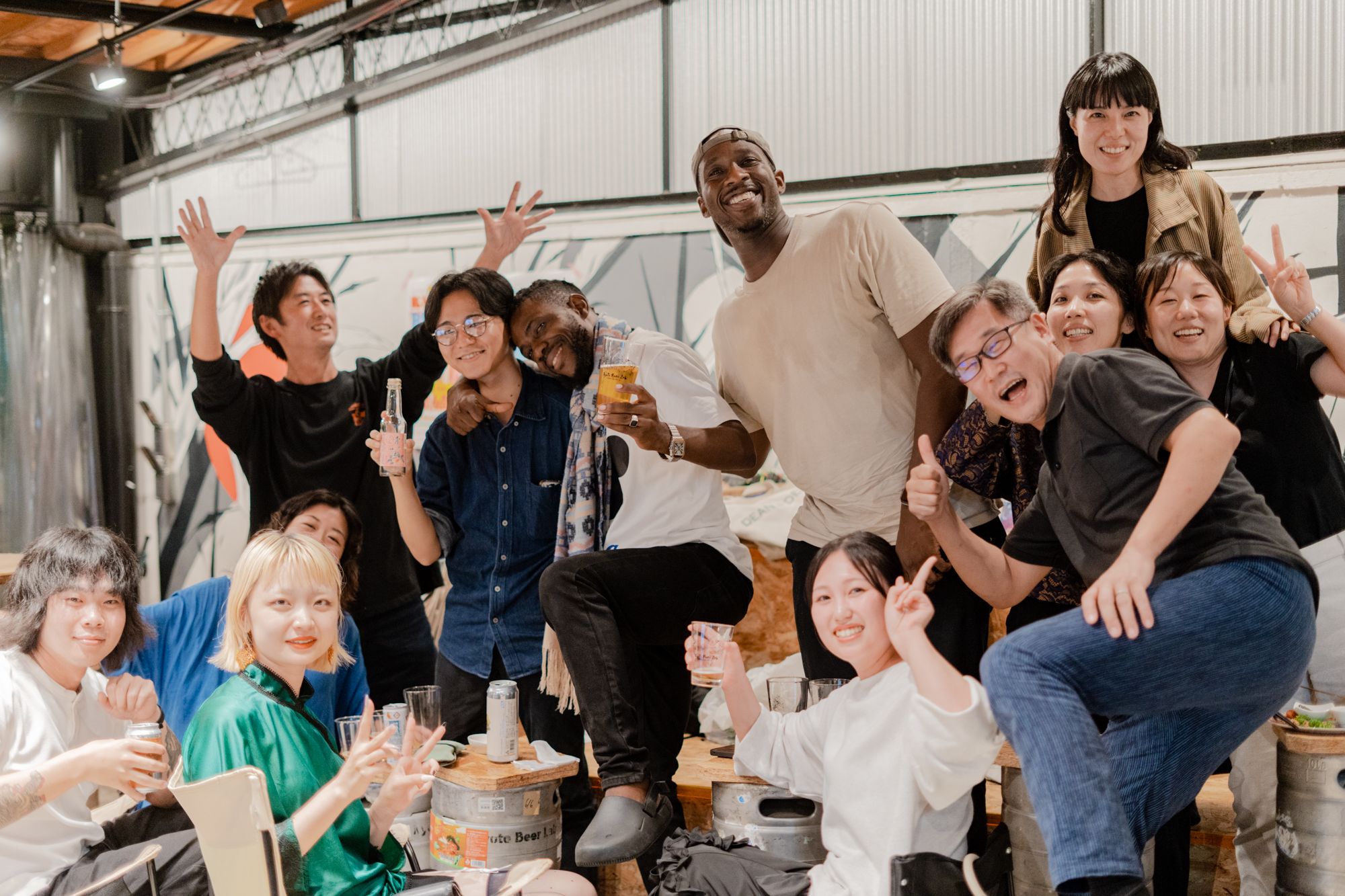
What is *** in Residence Kyoto? The Vision Behind Its Unique Framework
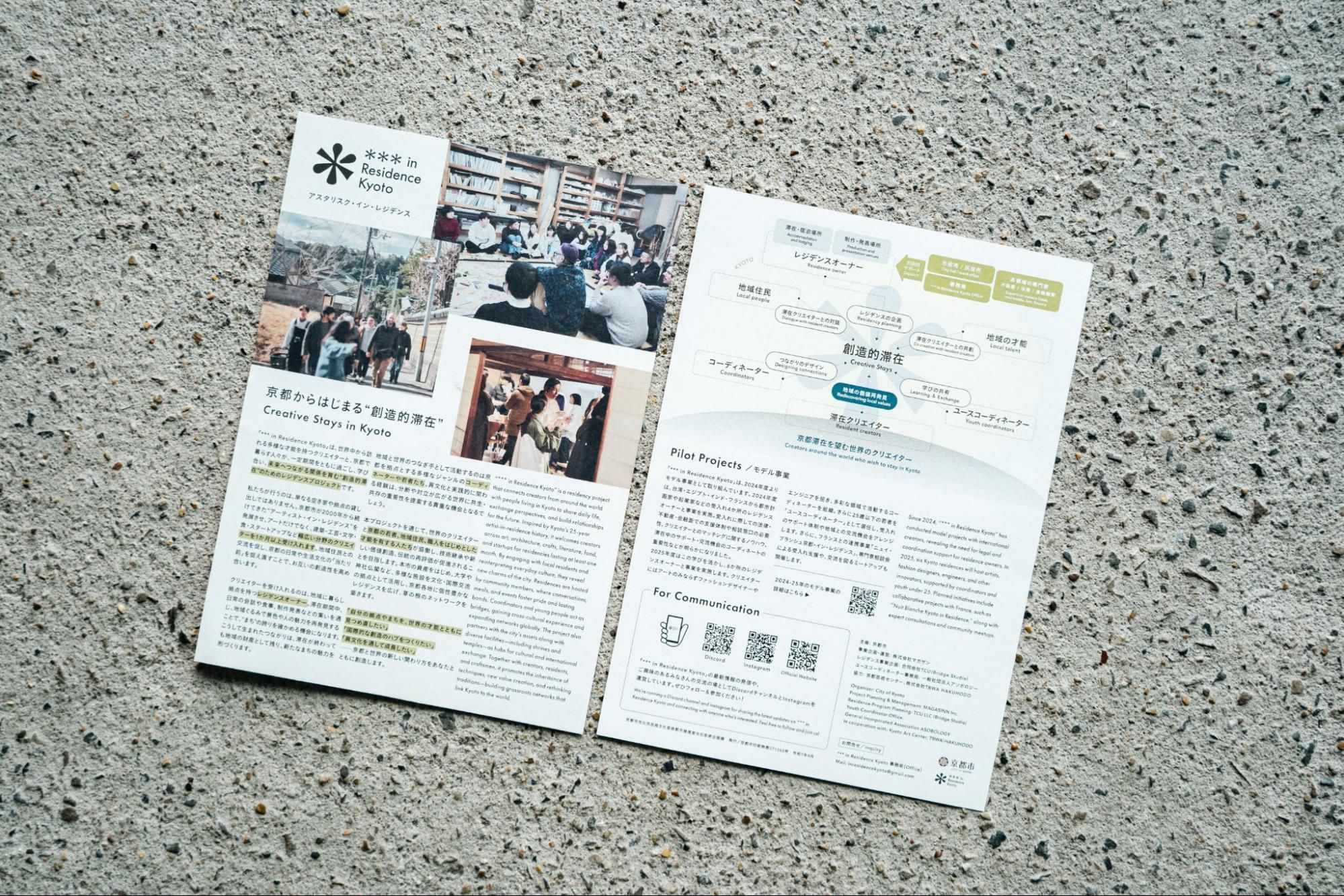
The Japanese version of this Article can be read from here!
Launched in 2024, *** in Residence Kyoto set out to go beyond the conventional framework of artist-in-residence programs, in which artists are invited, provided place to stay and expected to complete their works. Instead, the initiative explored a great variety of solutions to various issues and attempted creating new cultural values.
At the core of this process were four key figures: Masakazu Tagai (TBWA\HAKUHODO), Mariko Sugita (Bridge Studio), Naoki Tsuzumitani (ASOBOLOGY), and Makoto Kuratani from the City of Kyoto. Now, following the conclusion of the two-year Pilot project, the four reflect on their ideas and aspirations embedded into the original framework of *** in Residence Kyoto.
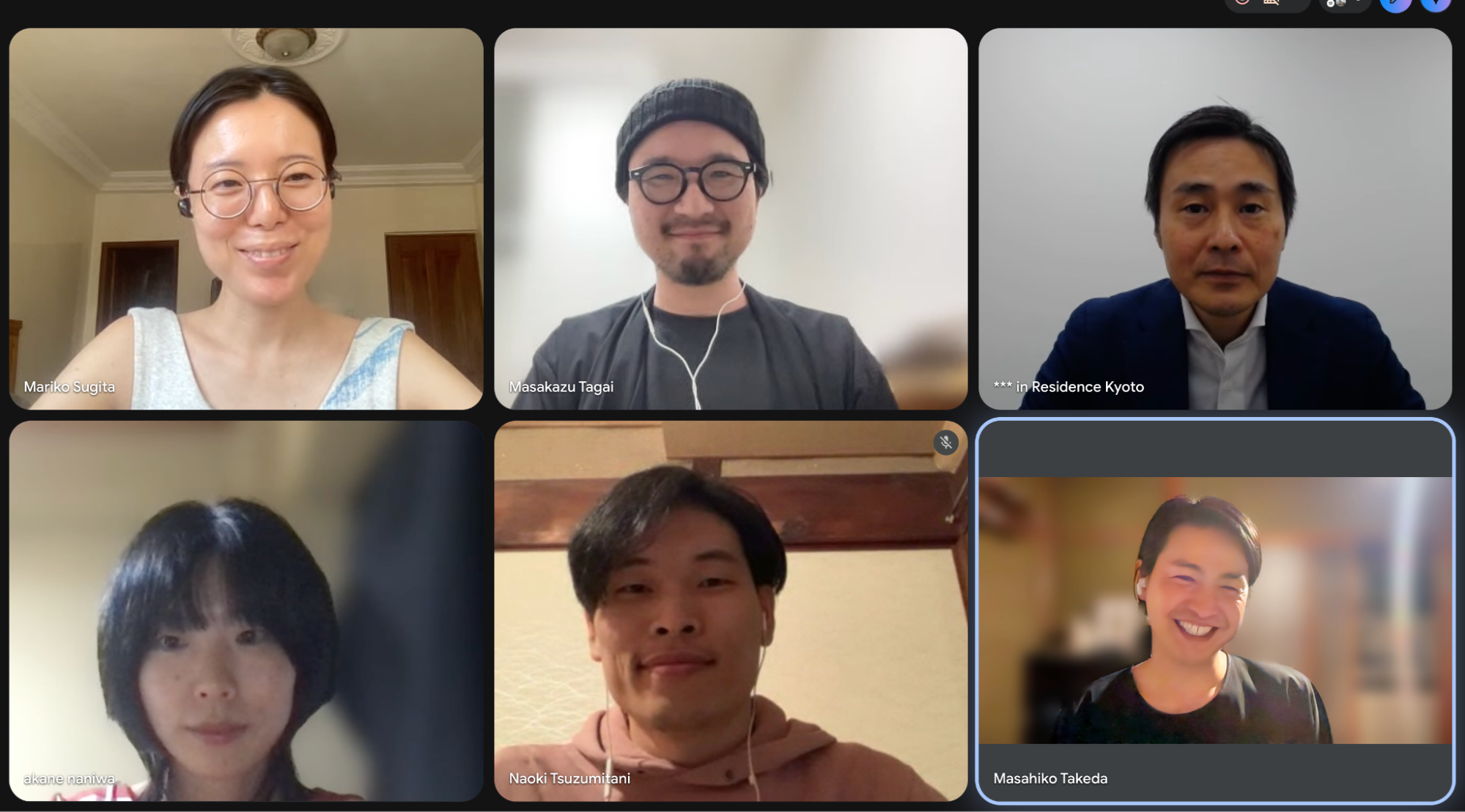
Interview by Masahiko Takeda (MAGASINN Inc.)
Reporting & Text by Akane Naniwa
Translation by Olya Tsoy
Photo by MAGASINN Inc.
Beyond the existing framework of artist-in-residence program
— To begin with, could you share with us how the *** in Residence Kyoto (hereafter referred to as ***) program first came into being?
Makoto Kuratani
In Kyoto City, the Kyoto Art Center has long played a central role in artist-in-residence initiatives. The residency model itself is extremely valuable, but each year a handful of openings attract hundreds of applications, making it difficult to fully respond to the strong demand from artists wishing to come to Kyoto for medium- to long-term stays and creative production. In addition, the Kyoto Art Center itself does not have residential facilities on-site.
At the same time, we started thinking whether this kind of framework could be expanded beyond contemporary art and adapted for creators of other fields. And we were hoping if we could develop something from the Cultural Arts Division, that could bring broader benefits back to the Kyoto Art Center itself.
Meanwhile, the staff of the Urban Management Strategy Office of Kyoto City strongly sympathized with these ideas, so we began developing the project together. Some suggested that, from the perspective of population strategy as well, that medium- and long-term stays could serve as a way to foster a broader “related population” — people who maintain ongoing connections with the city.
In the midst of the discussions, we received an offer of philanthropic support, which gave us prospects of the realization of the project. Another major factor was the transition to the current mayor of the Kyoto City, Koji Matsui. One of the policies he advocates is active inviting overseas creators, and that vision aligned closely with the direction of this initiative. As a result, the project came to be positioned as one of the city’s key policy pillars. I believe this project was realized because the aspirations held by different departments ultimately came together as one, shared story.
— So, the various needs felt across different fields on the ground, came together in the form of one initiative. From there, I imagine the project framework further developed with the involvement of people like Sugita-san and Tagai-san. How, then, did the name *** in Residence Kyoto come about?
Mariko Sugita
Who was it that first came up with the name? My impression is that it emerged naturally — we had simply been using it as a placeholder, and before we knew it, it had become the official title. Tagai-san, do you remember?
Masakazu Tagai
Oh, I remember it very well. Mostly because every proposal I came up with kept getting rejected (everyone laughs).
For example, at one point I suggested the name “Innovator in Residence.” But Sugita-san immediately said, “That sounds far too business-oriented — rejected.” (laughs) So then I started wondering what kind of wording would feel right, and I kept trying different things.
At the same time, Sugita-san was also speaking with the overseas creator in her network, and through those conversations, the idea came up that “Asterisk” might be a fitting name for the project. Native English speakers also apparently associate the word “asterisk” with the idea of “infinity.” The title I initially proposed — “Innovator” — may have been easier to understand, but it also felt somewhat tied to the already existing concept that is widely circulated and defined. And this is my own interpretation, but rather than using a term that already carries a fixed meaning in society, I think we felt it would be better to choose a word which meaning we could explore and shape for ourselves from the ground up. That, I believe, is how this name was ultimately chosen.
Mariko Sugita
That’s an impressively accurate memory, thank you! Now that you mention it, I’m starting to remember as well. At first, we were even thinking of leaving the beginning blank, weren’t we? Something like “_____ in Residence”.
Masakazu Tagai
Yes, that was definitely one of the ideas.
Mariko Sugita
So when I opened Bridge Studio, I initially gave it the name “Urbanist in Residence” and began by welcoming people working across a broad range of disciplines. In practice, artists did come, but so did designers, educators, and many others, and through that experience I came to strongly feel both the importance of creating a more open and inclusive environment, as well as the demand for it. I think that experience became one of the motivations for me to get involved in this project.
I myself had spent extended periods overseas for reasons other than tourism. During those stays, I often looked for programs I could participate in, and while there were many artist-in-residence opportunities available, in most cases you could not even apply unless you had an established background in fields such as visual art or performing arts. Occasionally there were open calls for researchers or writers, but these programs were often still quite closed within the art world, making it difficult for people like me, who engaged in a range of different activities, to take part. So, that sense of frustration was something I personally experienced first.
Discovering the role of youth coordinator through exploration
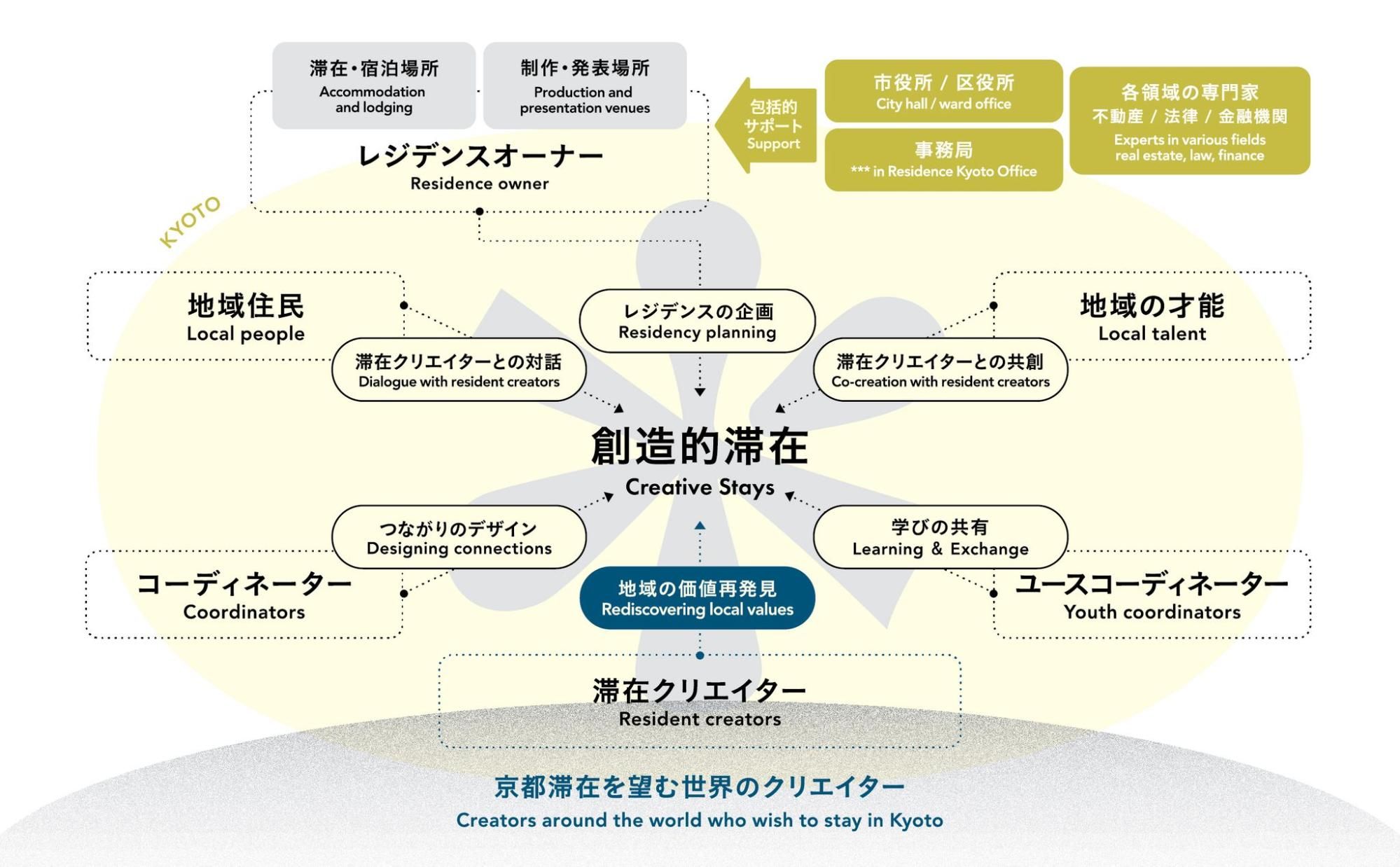
— One of the defining characteristics of this project, I feel, is the unusual number of stakeholders involved. At the same time, because of it, I imagine bringing everything together must have been quite challenging. But perhaps visualizing the relationships through a stakeholder diagram helped people better understand the structure of the project?
Masakazu Tagai
We call it the “Vision Map,” and over the course of about six months, the team worked together to create the materials that eventually became the foundation for this diagram.
The reason we felt such a map was necessary goes back to the discussion about the project’s name: “***” itself is an unknown concept. In many ways, we were moving forward together as though we were exploring uncharted territory. Because of that, we felt it was important to have a tool that could help visualize not only the landscape currently before us, but also the possibilities that lie beyond it for those who would follow after us.
When people travel somewhere unfamiliar for the first time, they often buy guidebooks or maps to imagine what kinds of experiences might await them there. In the same way, we wanted to create something that would allow anyone who was interested in *** to envision their potential roles and how participating in the project could lead to their own personal growth.
— I imagine it must have been quite a challenging process, especially since it required thinking from a medium- to long-term perspective as well.
Masakazu Tagai
Yes, absolutely. To build it, we began by looking back at the first year of the residency program and carefully unpacking the experiences of everyone involved. We examined what motivated each stakeholder to take part in the initiative and what they ultimately gained from it.
As we mapped everything out in spreadsheets, we started to notice certain common patterns across different positions and roles. By gradually abstracting and stripping them down to their essence, we started to realize that there were people who were naturally taking on multiple roles at once. That process helped us identify and define the kinds of roles necessary to make *** possible in its current form.
Those roles became what we now call the coordinator and the youth coordinator.
Before we created the vision map, we tended to imagine the coordinator as the “adult” role, with the youth coordinator acting more like an assistant. But as we continued analyzing things, we realized that wasn’t really the case. There were things that only youth coordinators could do, and functions unique to that position only. So, rather than seeing them as a subordinate of the coordinator role, we began to see that youth coordinators hold a very distinct position in this project. I think Tsuzumitani-san can probably speak to that point especially well.
Naoki Tsuzumitani
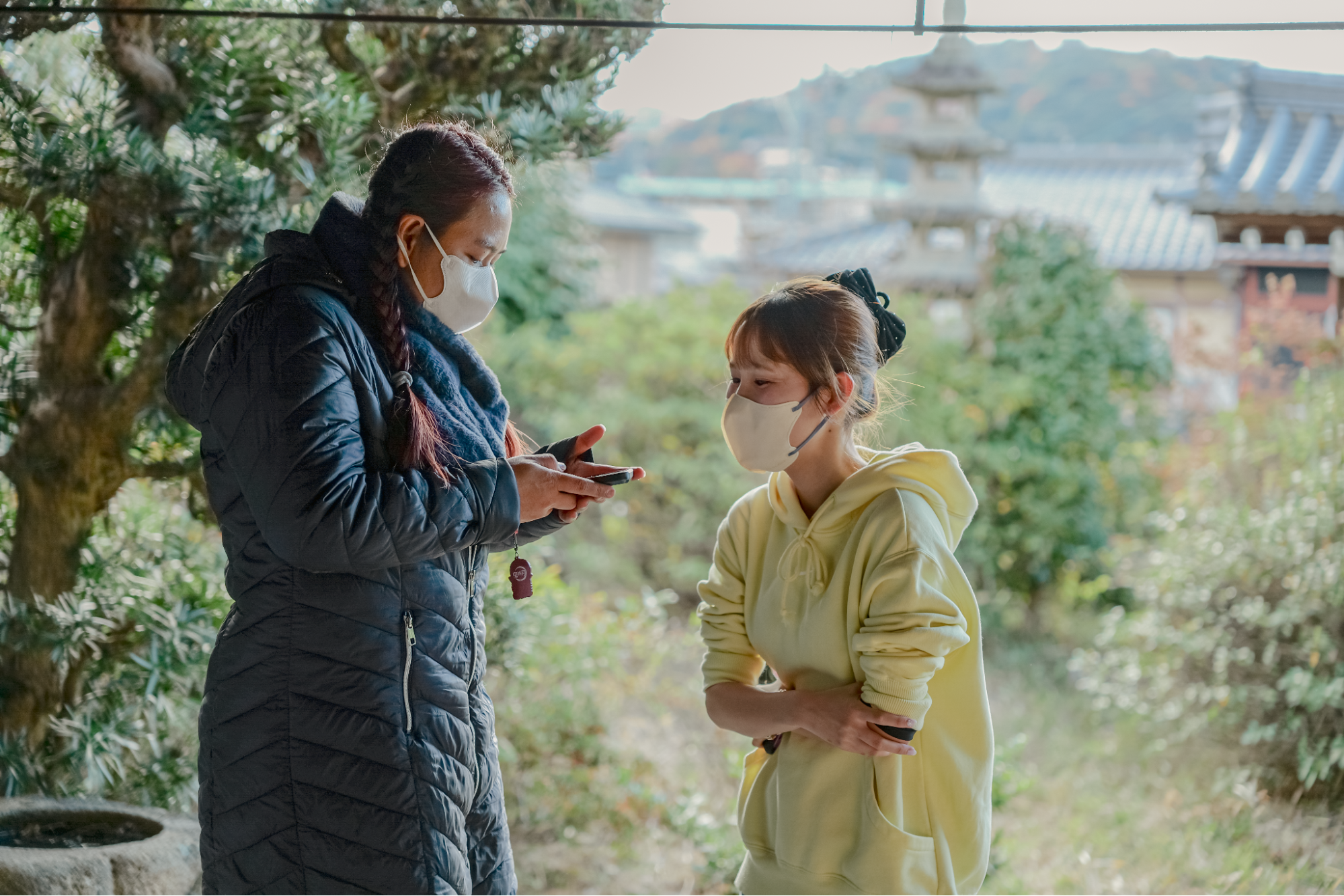
One of the original motivations behind this project came from the donor, who said he wanted to create a wide range of experiences and opportunities for young people living in Kyoto. I joined the team specifically to think about how that idea could actually be integrated into the program.
From the beginning, we were constantly thinking, what role younger generations could play in the project. As Tagai-san mentioned earlier, this initiative involves a huge number of stakeholders - not only the people directly running the program, but also local business owners, community members, and many others connected to the city. At the same time, Kyoto is also often described as a city where one in ten residents is a university student. So, as we were thinking how to build a framework that could connect with those young people as well, the role of the youth coordinator gradually took shape.
In the first year, youth coordinators were involved as the people closest to the creators, accompanying them throughout their residency experience and helping with the many small aspects of daily life during their stay. At the same time, we felt it would have been a shame for their role to remain limited to residency support alone. So in the second year, we encouraged them to take a more active role, telling them: “We would like you to become catalysts for diverse forms of exchange and interaction.”
Of course, we wanted them to engage proactively, but even more so, we wanted them to participate as actors in their own right. At first glance, the phrases “to participate proactively” and “to participate as an actor ” may sound almost identical, but I actually think there is a significant difference between the two.
What I mean is that we did not want them simply to receive instructions and enthusiastically take on whatever tasks were given to them. Rather, we felt it was important for youth coordinators to contribute in ways that only they could, based on their own perspectives and position within the project.
Just as residency owners, local residents, and coordinators might say, “We want to create this kind of experience together with the creators,” we wanted the youth coordinators to stand in the same position and initiate relationships and interactions on their own terms.
— Listening to this, I also feel as if for the youth coordinators, *** functions as a kind of learning ground outside of university.
Naoki Tsuzumitani
Yes, I think that’s very true. At universities, there’s often a sense that students can only learn within frameworks already defined by the institution. Add job hunting into the mix, and many young people end up feeling pressured to think strategically about everything they do—to work backwards from future goals and expected outcomes.
With “***,” we wanted to create a place where people could engage with what genuinely interests them, without the need to calculate its value in advance. In an era where it’s becoming harder to pursue something simply because you want to, creating that kind of space felt important to us. At the same time, young people are often told, “It’ll be good experience for you! Just try it,” and then end up being used for convenience. We were very conscious of not reproducing that kind of dynamic in our project.
The mindset of learning essential to a “Creative Stay”
— Now that the 2025 program has come to a close, what experiences do you remember the most?
Mariko Sugita
There were many memorable moments on the ground, but precisely because of that I’d actually like to talk instead about the framework itself.
I felt this very clearly when attending the French-Japanese event at Villa Kujoyama and also during meetings with EUNIC. What struck me was how many people already knew about *** and were genuinely interested in introducing and talking about it to others. At Villa Kujoyama, the mayor even spoke publicly about the initiative, and afterward we received questions from people in the audience. I think those reactions came from the fact that we’ve steadily put effort into articulating what we’re trying to do, translating it into both Japanese and English, and communicating it carefully.
At the same time, because this is still a new initiative, on the ground, we were still sort of feeling our way forward. But when I actually participated in residencies overseas myself, I realized: they’re also figuring things out as they go. Sometimes I would think, “Ah, they’re still searching too,” or “They’re experimenting in real time,” or, “It’s actually much looser than I expected.” Japanese people tend to be extremely meticulous. Oftentimes, we spend a lot of time discussing things, refining words, and building systems, while actually running projects. Experiencing residencies abroad made me realize again just how remarkable that approach is in a global context.
At the same time, I think many Japanese projects become overly complicated precisely because of that meticulousness. But in this project Tagai-san played a central role in distilling countless hours of discussion and the thoughts of many different people into surprisingly simple language. It was an enormous amount of work, but I think it was incredibly important.
Masakazu Tagai
I think this perspective couldn’t come from anyone else but Sugita-san, as she has seen how things are done in many countries around the world. For me personally - and here I might overlap a bit with Tsuzumitani-san, - the essential element of *** was learning. We run our program under the theme of the “creative stay”, and I think it would mean something entirely different if it were framed instead as “a stay for the purpose of creation.” There are many residency programs built around the latter model, where the residency is ultimately meant for producing a finished work or a measurable outcome. What distinguishes *** from other projects, however, is the idea that the stay itself is creative. What matters is what the participants are able to gain through the process of staying. And I think that depends greatly on their readiness to learn new things.
Young people are the main actors in the process of learning. They are remarkably sincere and open-minded. By having them involved in the project and observe their attitude, we ourselves end up discovering a lot of new things. One thing that left a strong impression on me personally was how having the youth coordinators in the project made everyone much more open and receptive to learning.
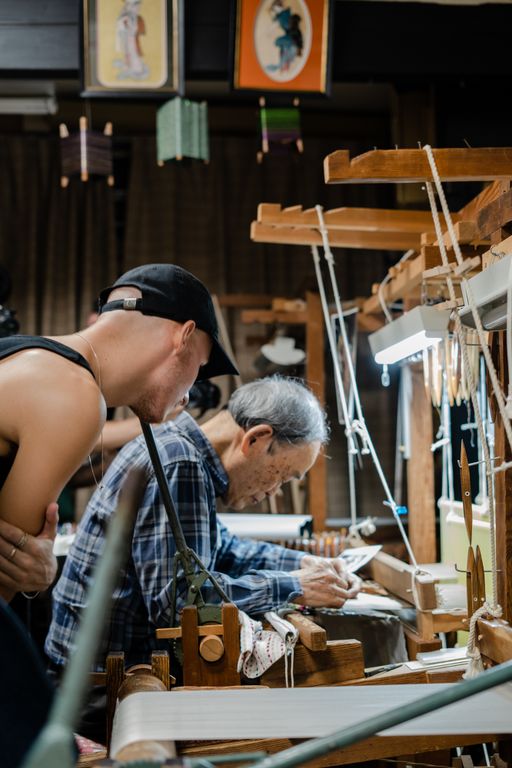
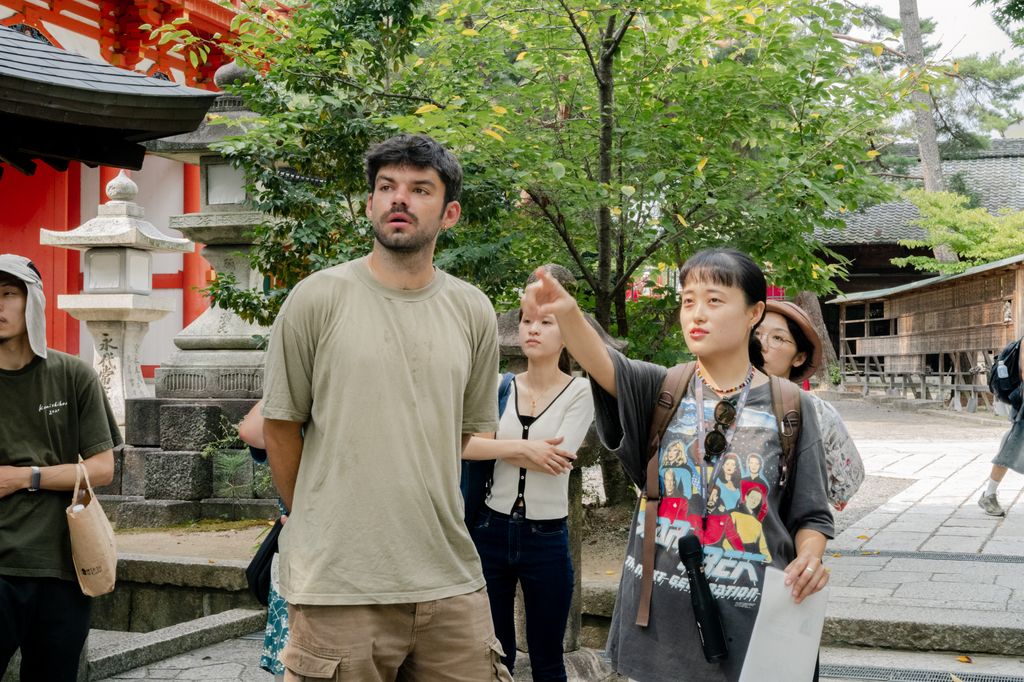
Makoto Kuratani
To be honest, at the beginning, we were figuring things as we went, but now, I think, that we worked out a sustainable framework. I can really feel that the unfading energy on the ground, continued support and encouragement from the many people involved, and as well as the strong interest in Kyoto from overseas creators. Because we managed to carefully think through and shape the structure of the program, I now feel that this project can carry on forward. And this is probably the most significant result for me personally.
Exploring the meaning of * (Asterisk)
— Looking ahead to 2026, what would you like *** in Residence Kyoto to become?
Makoto Kuratani
There are still many things we need to work on, like supporting new residency owners as they establish their programs, strengthening relationships with overseas institutions, and much more. But one principle I always try to stay true to is “not making enemies”.
I often describe *** Kyoto as a project where different people are getting along. Because it seeks to connect international creators with local communities, there are many ways for people to become involved. At the same time, in the world we live in today, initiatives like this might easily attract criticism. Rather than a formal policy, this is more a mindset of the administrative team, but I hope we will continue to carry it forward in the years ahead.
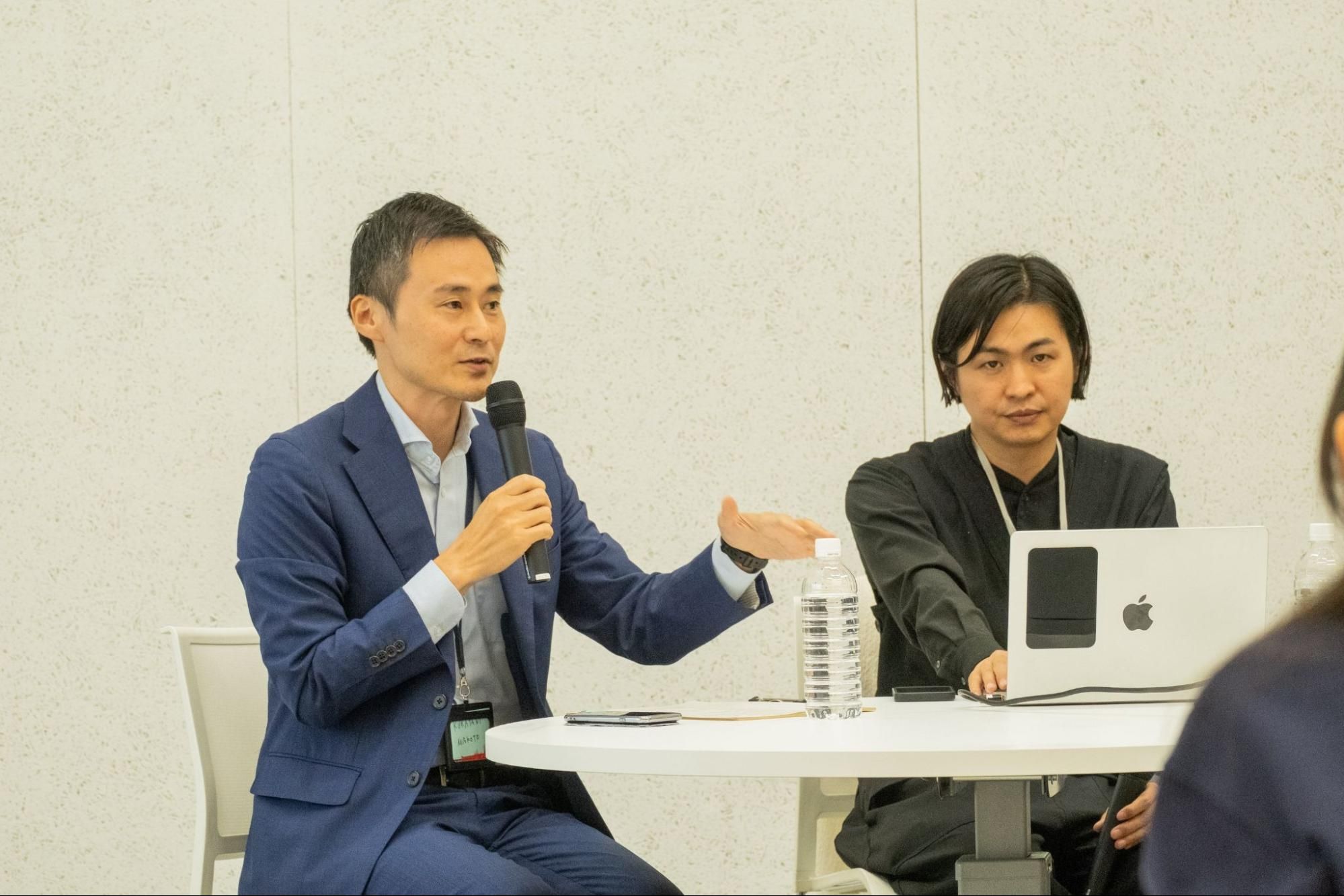
Naoki Tsuzumitani
One thing that made me especially happy in 2025 was seeing such a diverse group of people join as youth coordinators. Until now, projects like this have often attracted students studying art at fine arts universities, but this year many young people from different fields became involved as well. In January, I attended a solo exhibition together with the youth coordinators, and the conversations we had there were fascinating. I was impressed how much their perspectives on art, creativity, and ways of engaging with them seemed to have evolved through this experience. That made me feel that taking part in this program may have helped spark those changes.
Looking ahead to next year, I hope we can work together to create opportunities for an even wider range of students to get involved through various ways, including lighter forms of participation. As more activities take place closer to the city center, there will likely be more opportunities to work alongside the project team. I'd also like to create entry points for people to start with something relatively light, such as attending an event.
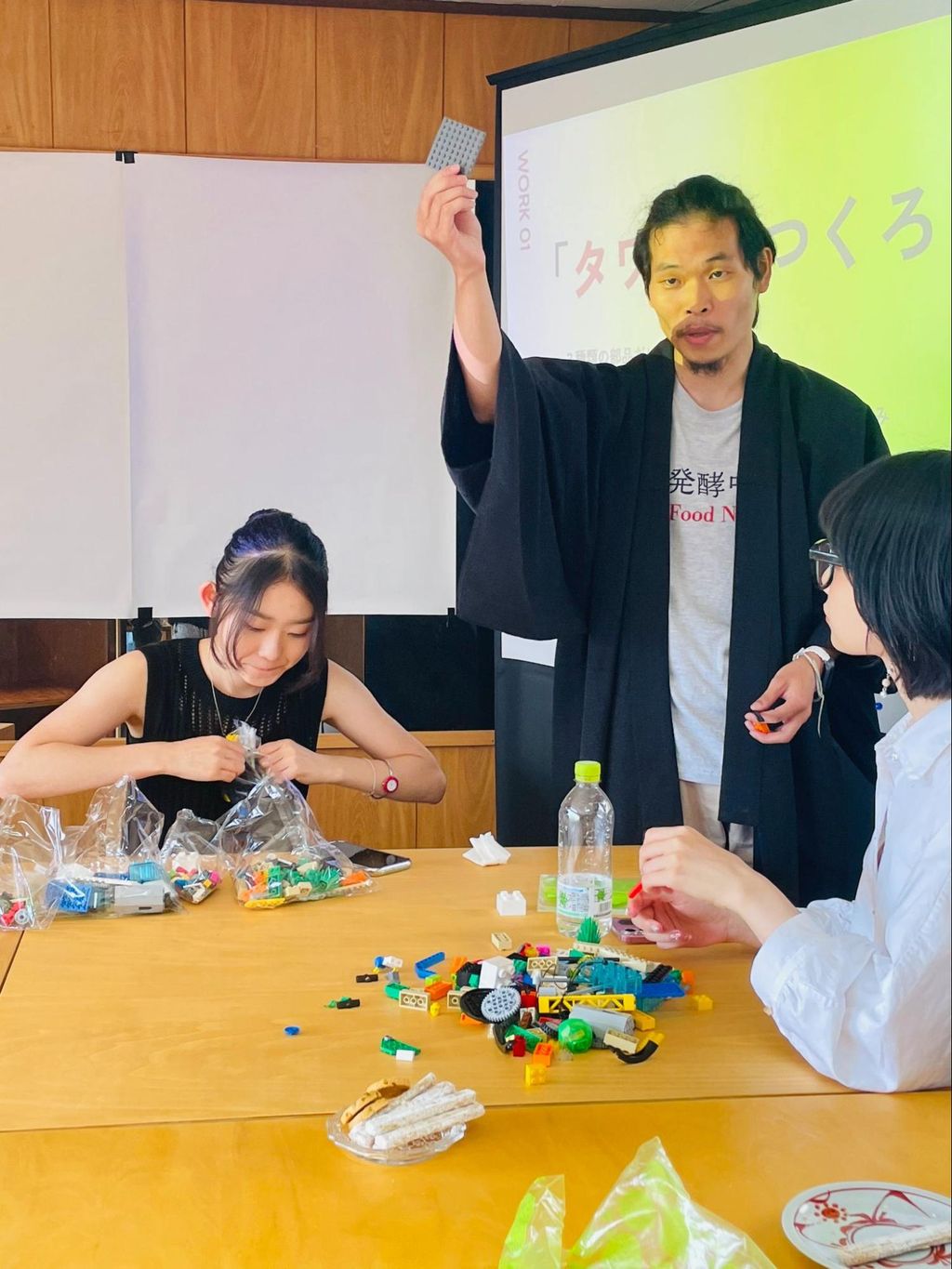
Masakazu Tagai
This overlaps with the question we discussed at the beginning: why the project came to be called *** in Residence Kyoto. I believe the question of what an asterisk actually means will continue to accompany this project even a hundred years from now. The meaning of the asterisk will continue to evolve from year to year, and I think it is important that, at certain moments, we come together and revisit that question. I hope we will have a chance to gather around our vision map and discuss it again.
About 200 years ago, Inō Tadataka created the first complete map of Japan. Since then, every year someone had been updating and refining. I hope we can do something similar with ***. Having such a map allows us not only to engage in face-to-face relationships, but also to step back and see where we ourselves stand within a larger picture. In that sense, I think it connects to what Kuratani-san said earlier about “not making enemies”. Divisions often arise when people are unable to understand one another. By taking a step back and looking at the broader landscape, we may be able to avoid that. I hope the vision map can serve that kind of purpose as well. And through it all, we must continue asking ourselves about what is “***”? Of course, we will keep discussing it among ourselves, but I also hope we can expand this conversation to invite more people in the future.
Mariko Sugita
Starting next year, we will have many new initiatives getting underway, as well as many concrete goals we hope to achieve on the ground. While continuing to work on-site, I also hope we can maintain a broader perspective. I would like us, as a team, to regularly take time to reflect on why this organization exists and what it does. Of course, KPIs like increasing the number of residency programs or the number of creators we host, are important. But I think it is equally important to articulate whether achieving those numbers is actually helping us realize the future we want to create, and to share that understanding within the team.
As someone who has applied to many residency programs myself, I always appreciate organizations that clearly communicate their mission. Some, for example, are committed to sustainability, while others focus on supporting and nurturing younger generations. By articulating the mission clearly, it becomes easier to share a common perspective with everyone involved. I think we, too, should continue revisiting our own vision. Maybe we should even make an “Asterisk Song”? (everyone laughs)
Mariko Sugita
I’m not sure whether we actually need to sing it regularly, but I would like for us to reconnect with our vision again next year as well.