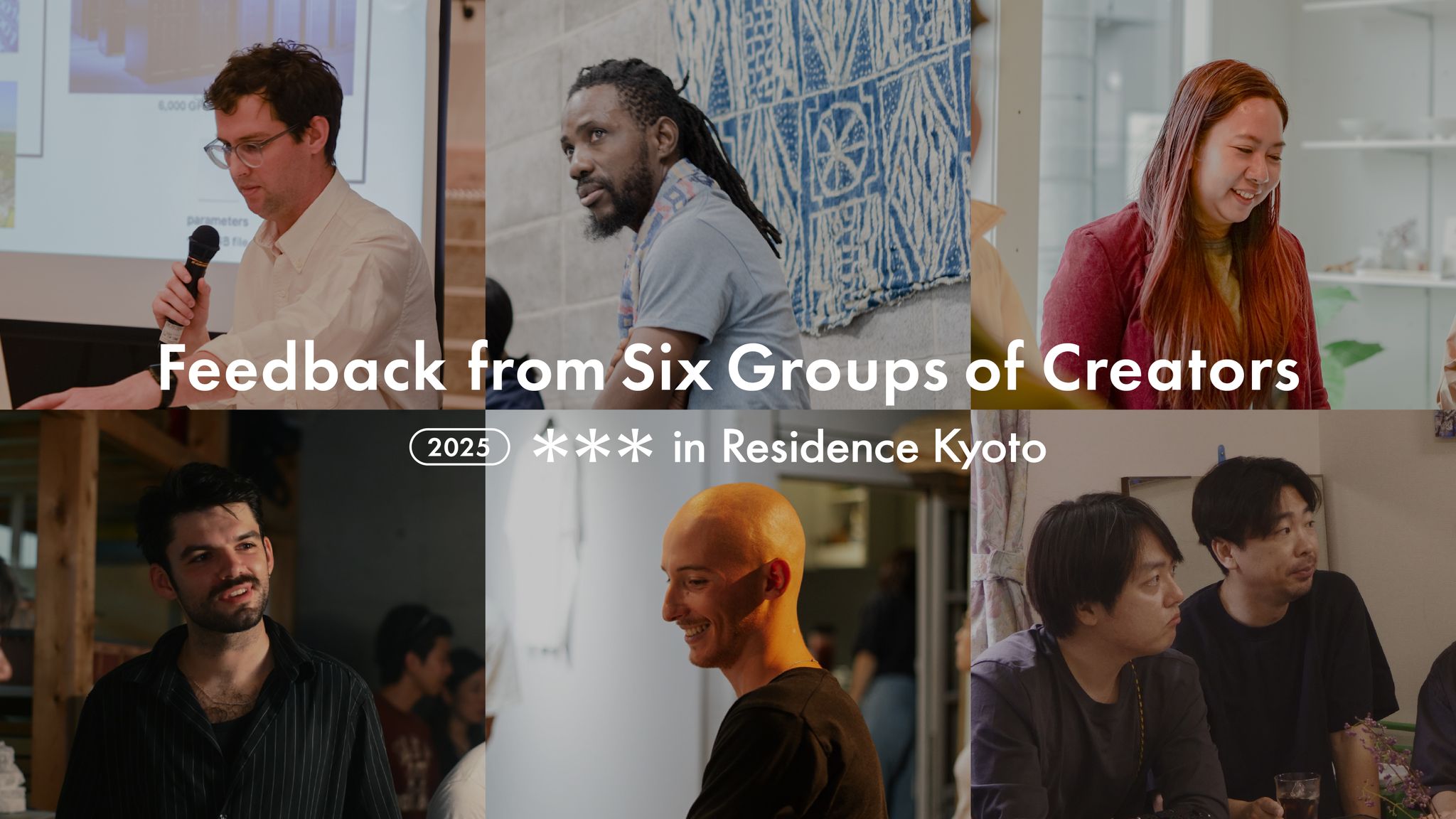
Participating in *** in Residence Kyoto : Feedback from Six Groups of Creators
The Japanese version of this Article can be read from here!
Since fiscal year 2024, *** in Residence Kyoto has been developed as the Pilot Project. In its first edition, the program brought together four residency owners and creators invited from four different countries for an artist-in-residence initiative.
In fiscal year 2025, building on the experiences and insights gained during the first year, the program expanded further. Previously limited to the Keihoku area of the Sakyo Ward, the residency area was expanded to cover all of Kyoto City, with six residency owners participating in the initiative. The invited creators also expanded beyond the arts to include fashion designers, engineers, and creators from a wider range of fields, while the nationalities represented became even more varied.
In addition, the program strengthened its support structure and opportunities for local exchange through the introduction of youth coordinators, selected from among young people aged 25 and under.
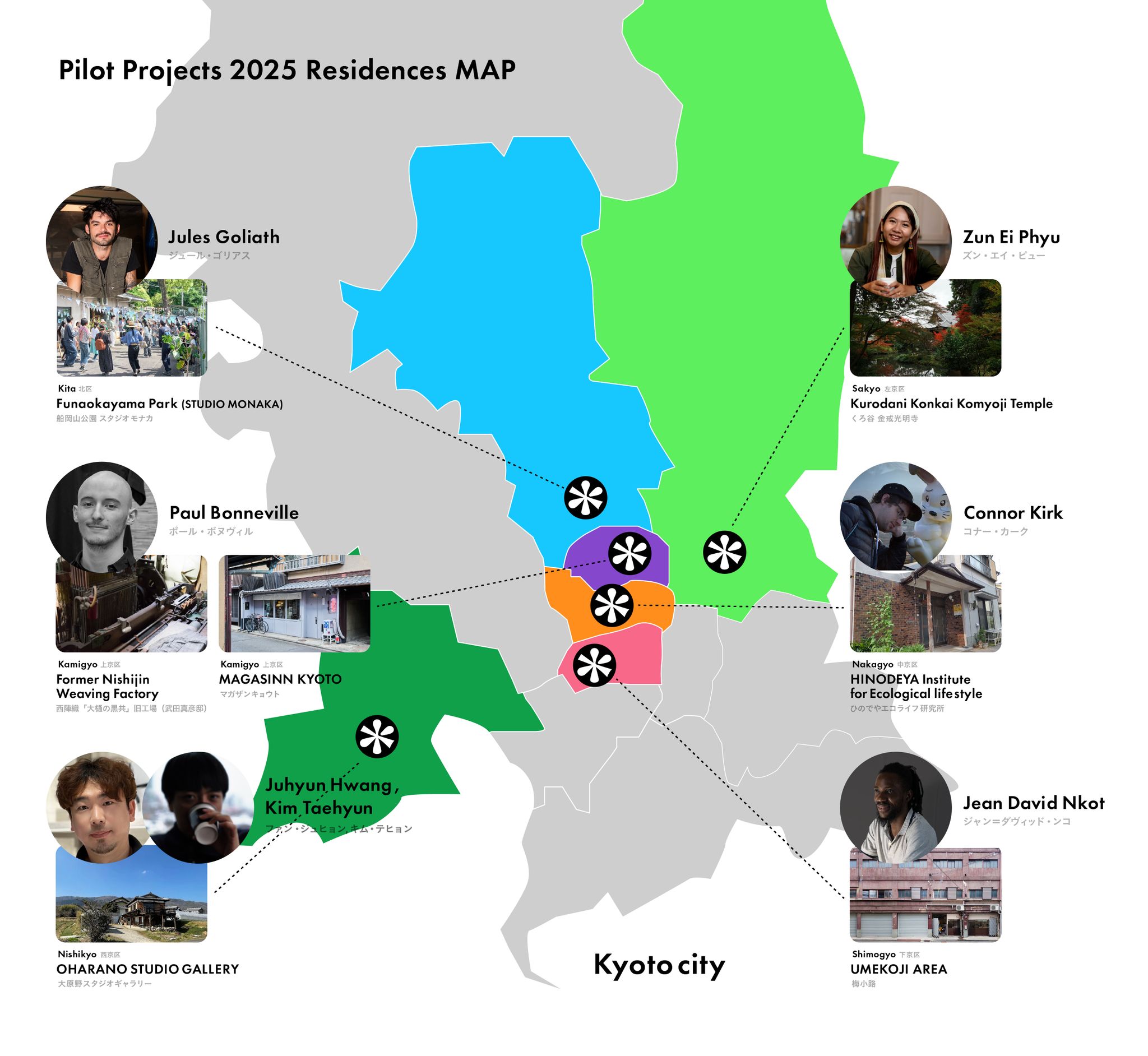
Now that the residency period has concluded, we received reflections and feedback on the program from the six participating groups of artists: Zun Ei Phyu (Myanmar), Paul Bonneville (France), Hwang Juhyun & Kim Taehyun (South Korea), Jules Golias (France), Jean-David Nko & Sten Kazi (Cameroon), and Connor Kirk (United States).
Reporting & Text by Akane Naniwa
Translation by Olya Tsoy
Photo by MAGASINN Inc.
目次
💡Discoveries Made During the ResidencyThe Dynamic Energy of the Local Community
- Jean David Nkot & Sten KadjiLife in a Machiya That Changed the Rhythm of Everyday Living
- Zun Ei PhyuThe Distinct Environment of Oharano, Far Removed from the Metropolis
- Hwang Juhyun & Kim TaehyunThe Exceptional Hospitality of the Residency Hosts
- Jules GoliathA Residency in a Familiar Kyoto Felt More Like a Long-Term Work Trip
- Connor Kirk A Carefully Designed Project That Allowed Deep Immersion from Day One
- Paul Bonneville💡What Emerged Through ExchangeEncounters That Opened New PerspectivesEngagement with the Community as a Source of InspirationDiscovering the Essence of CommunicationExperiencing Everyday Life Unique to the Local CommunityExchanges That Transcended the Limits of LanguageCollaboration with Residency HostsLearning from the Presence of the Youth Coordinators💡Looking Toward the Future of the ProgramToward a Program That Welcomes Even More ParticipantsMore Engagement with Local Communities
💡Discoveries Made During the Residency
In fiscal year 2025, six groups of creators with diverse backgrounds and working across different fields were invited to Kyoto. What kinds of insights emerged through the residency experiences, each matched to the creators’ individual interests and backgrounds?
The Dynamic Energy of the Local Community - Jean David Nkot & Sten Kadji
Working around the theme of the human condition, Jean David and Sten depict the labor and struggles of people who sustain contemporary society yet often remain invisible. By positioning these individuals as icons of the present day, their works question profit-driven economic systems from both human and environmental perspectives.
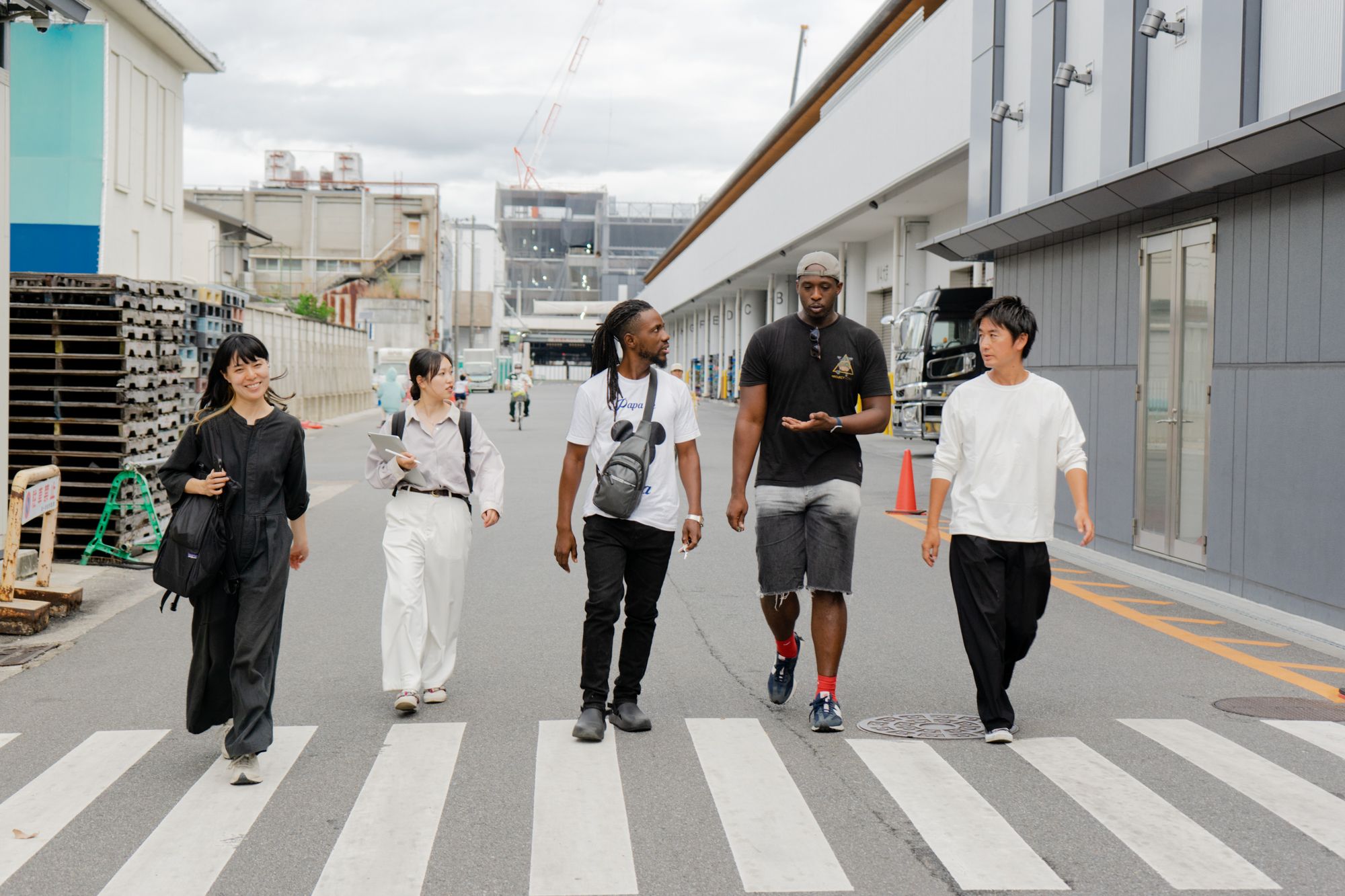
The artists had expressed a desire to immerse themselves deeply in Kyoto’s urban landscape, and were matched with a residency site in the Umekoji area, located west of Kyoto Station. Once a major railway transportation hub and, after the war, the center of Kyoto’s food distribution network, the district today remains home to the Kyoto Central Wholesale Market and long-established local shops, while also serving as a place where new creative cultures intersect.
Reflecting on their stay in that area, Jean David and Sten shared the following:
“What left the strongest impression on us was the dynamic energy of the local community. Small shops, restaurants, multipurpose spaces, even the fish market — all of them seemed to coexist in a beautiful harmony. Nothing felt overly assertive, and the neighborhood as a whole felt naturally integrated.
We were also struck by the way old and new infrastructures and buildings blended together so seamlessly. The environment of the studio where we stayed was equally inspiring, bringing together people of different professions and generations — artists, professors, students, and others.”
Life in a Machiya That Changed the Rhythm of Everyday Living - Zun Ei Phyu
A medical doctor as well as an artist, Zun Ei Phyu develops participatory and experiential art projects rooted in community engagement. Through workshops lying on the principles of art therapy and theatrical works exploring Buddhist perspectives on life and death, she has been creating spaces that foster empathy, dialogue, and resilience.
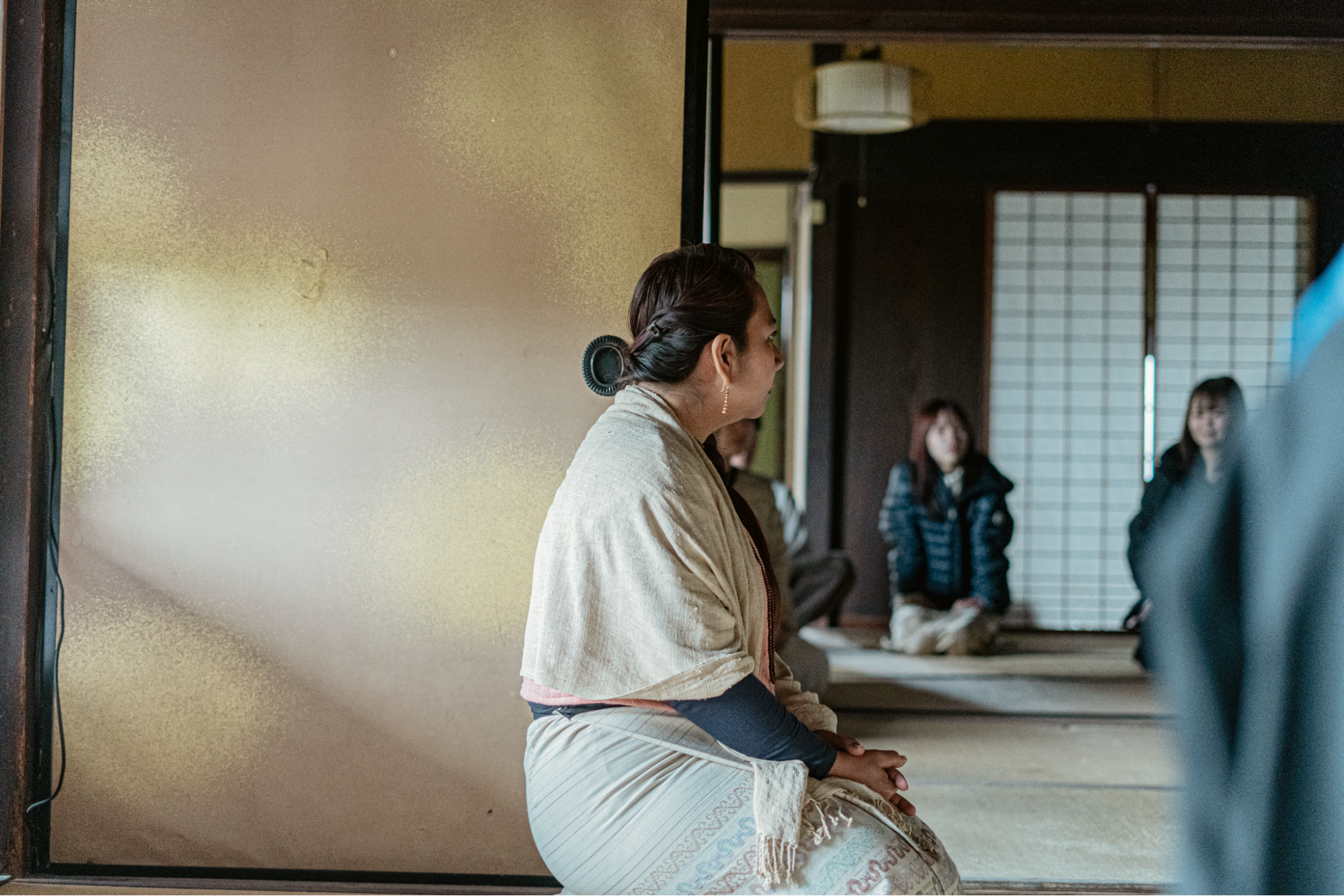
Originally from Myanmar and herself a practitioner of Theravāda Buddhism, Zun stayed at Konkai Kōmyō-ji Temple, a temple of the Jōdo sect of Buddhism. She shared that this encounter with a faith tradition different from her own gradually broadened her interests, leading her to explore not only Kyoto’s history, but also the lives of people in the past and the city’s contemporary social issues.
Reflecting on the experience, she shared:
“Staying here significantly transformed the ideas I initially had before the residency. Through research, everyday life in the Japanese machiya townhouse, and conversations with people, my original plans slowly evolved into something different. This process of transformation itself became one of the most meaningful experiences of my stay.
Living in a machiya connected to the temple also changed the rhythm of my daily life. Quiet mornings, the sound of temple bells, the light filtering through the garden — these gently slowed my pace and gave me time to listen not only to the voices of others, but also to the voice within myself.”
The Distinct Environment of Oharano, Far Removed from the Metropolis - Hwang Juhyun & Kim Taehyun
Hwang Juhyun explores visual languages that reflect inner states, examining how the unconscious may be expressed visually to others. Kim Taehyun, meanwhile, moves between photography and video, investigating both the possibilities of visual reproduction and the inevitable limitations that accompany it. The two artists from South Korea stayed at OHARANO STUDIO GALLERY, an art space located in the Oharano area and surrounded by abundant natural landscapes.
Reflecting on their experience, they commented:
“What left the deepest impression on us was the quiet density of everyday life we felt in Kyoto and especially in Oharano. Unlike large metropolitan cities, where stimulation constantly floods the senses, the rhythm of this place allowed time for observation and reflection.
The walk to the studio, the houses and gardens we saw again and again, the familiar sounds of the surroundings — these small elements of daily life gradually created a profound sense of time.
Compared to previous residencies, this experience seemed to place greater importance not on the productivity of outcomes, but on the process of attuning to place, people, and time.
Surrounded by nature and a lived residential environment, OHARANO STUDIO GALLERY offered a rare setting where isolation and connection coexisted, and this greatly supported our creative process.”
The Exceptional Hospitality of the Residency Hosts - Jules Goliath
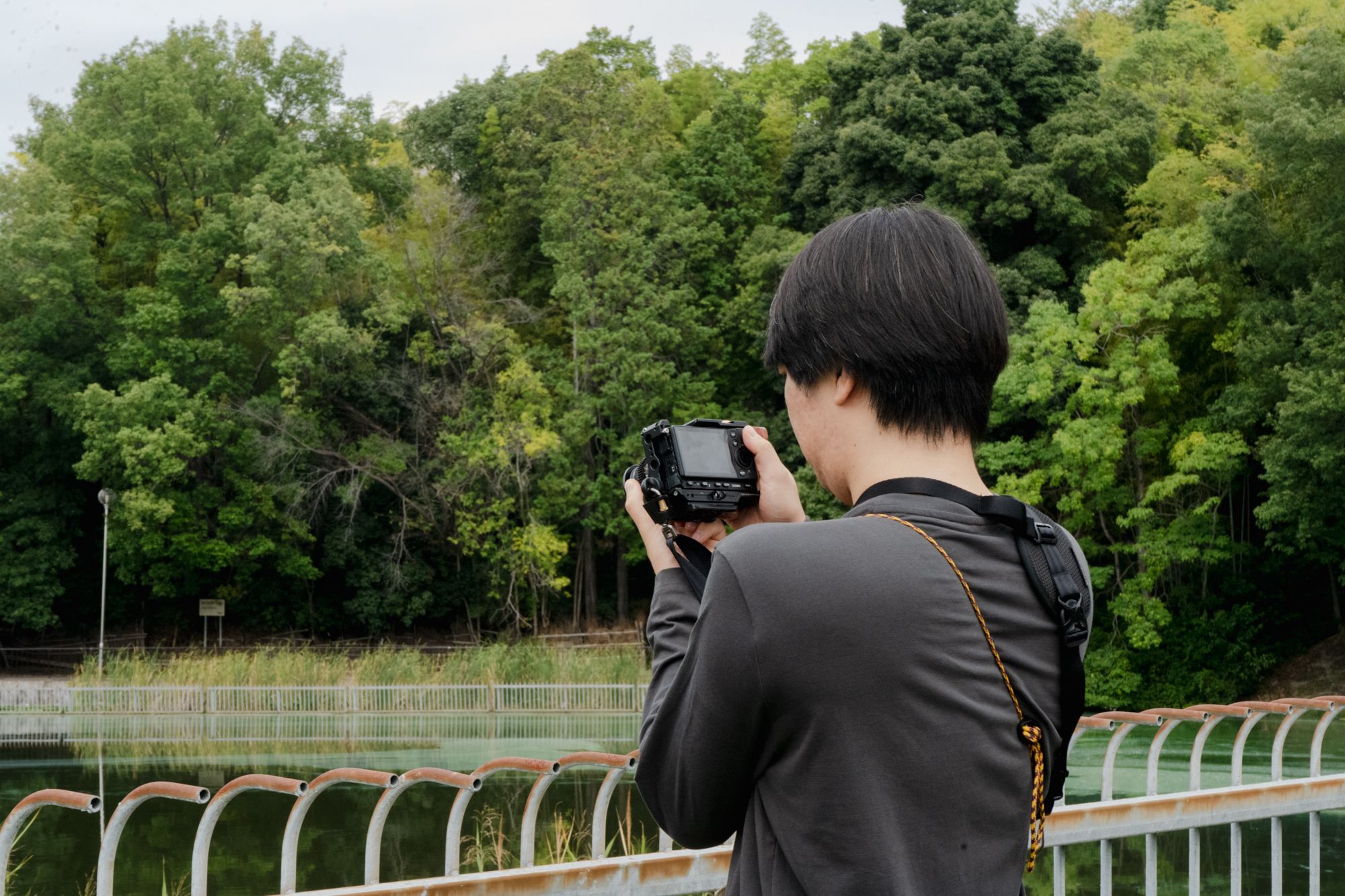
Originally from France, Jules Goliath is an artist whose practice encompasses sculpture, installation, and site-specific interventions. Through performative and journey-based exchange projects, he layers personal narratives with collective memory. Although he had previous connections to Kyoto, his stay at STUDIO MONAKA, an architectural design studio located in the Funaokayama area of Kyoto’s Kita Ward, introduced him to aspects of the city he had never encountered before.
Reflecting on his residency, he shared:
“Life in this neighborhood was calm, with a stillness that made me feel as if time was almost suspended. It was a perfect environment for reflection and the development of artistic projects. The strong identity of Kita Ward and the presence of the local residents left a deep impression on me.
The architectural practice and team spirit at STUDIO MONAKA were remarkable, and they approached the project with extraordinary hospitality and care. The celebrations and presentations held at the studio, as well as the many opportunities for encounters they organized…
Never before had I ever created works under conditions that felt so relaxed, generous, and attentively supportive.”
A Residency in a Familiar Kyoto Felt More Like a Long-Term Work Trip - Connor Kirk
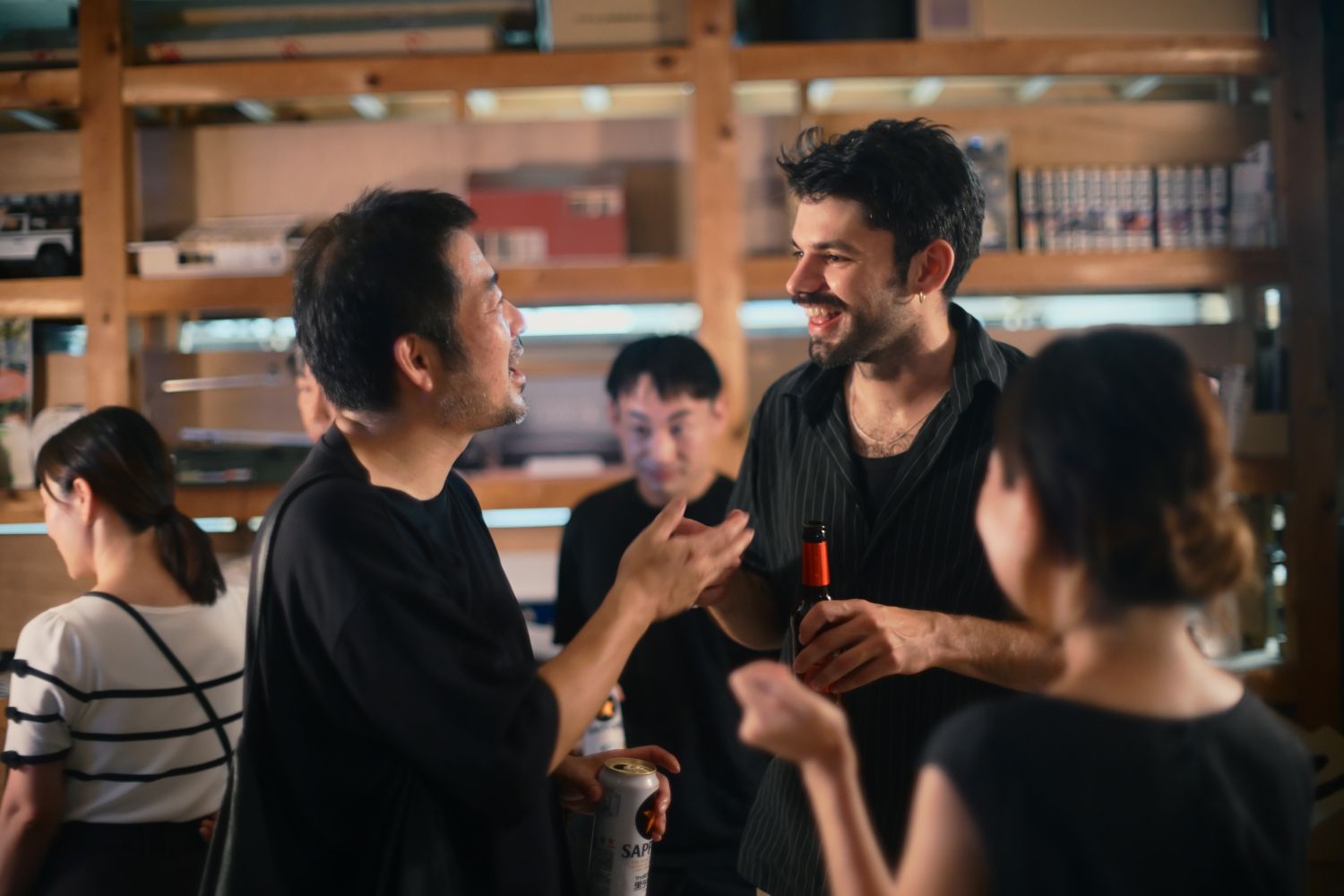
Connor Kirk, a mechanical engineer, entrepreneur, and visual artist, participated in the program with an unmistakably relaxed demeanor. Originally from the United States, Kirk moved to Kyoto in 2011 after graduating from the Savannah College of Art and Design (SCAD), and lived in the city for eight years. During that time, he exhibited at the Kyoto City Museum of Art and held a solo exhibition as part of Nuit Blanche Kyoto 2016, among other activities, establishing a deep connection with Kyoto over the years.
Reflecting on the residency, he explained:
“In a typical residency, you arrive in an unfamiliar environment and only then begin deciding what to create. But Kyoto is already a very familiar place for me, so I was able to plan everything over a several months before the residency even began. At times, it felt not like a residency, but more like a long-term business trip.
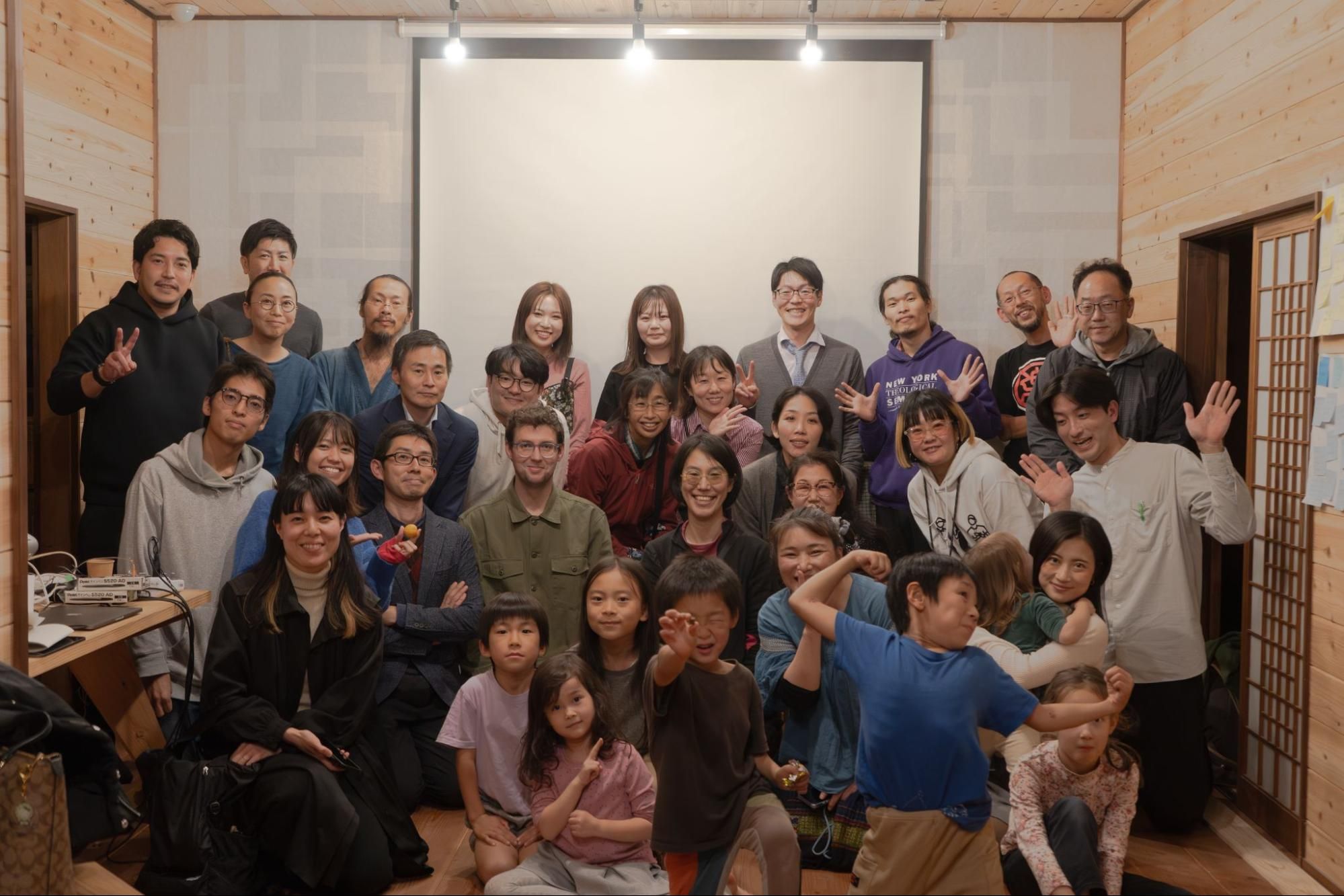
During the final presentation at the HINODEYA Institute for Ecological lifestyle, my former supervisor from when I worked in Kyoto came to visit. It was our first reunion in five years, and seeing how I had changed through the eyes of someone who knew my past self in Kyoto, was an incredibly interesting experience.”
A Carefully Designed Project That Allowed Deep Immersion from Day One - Paul Bonneville
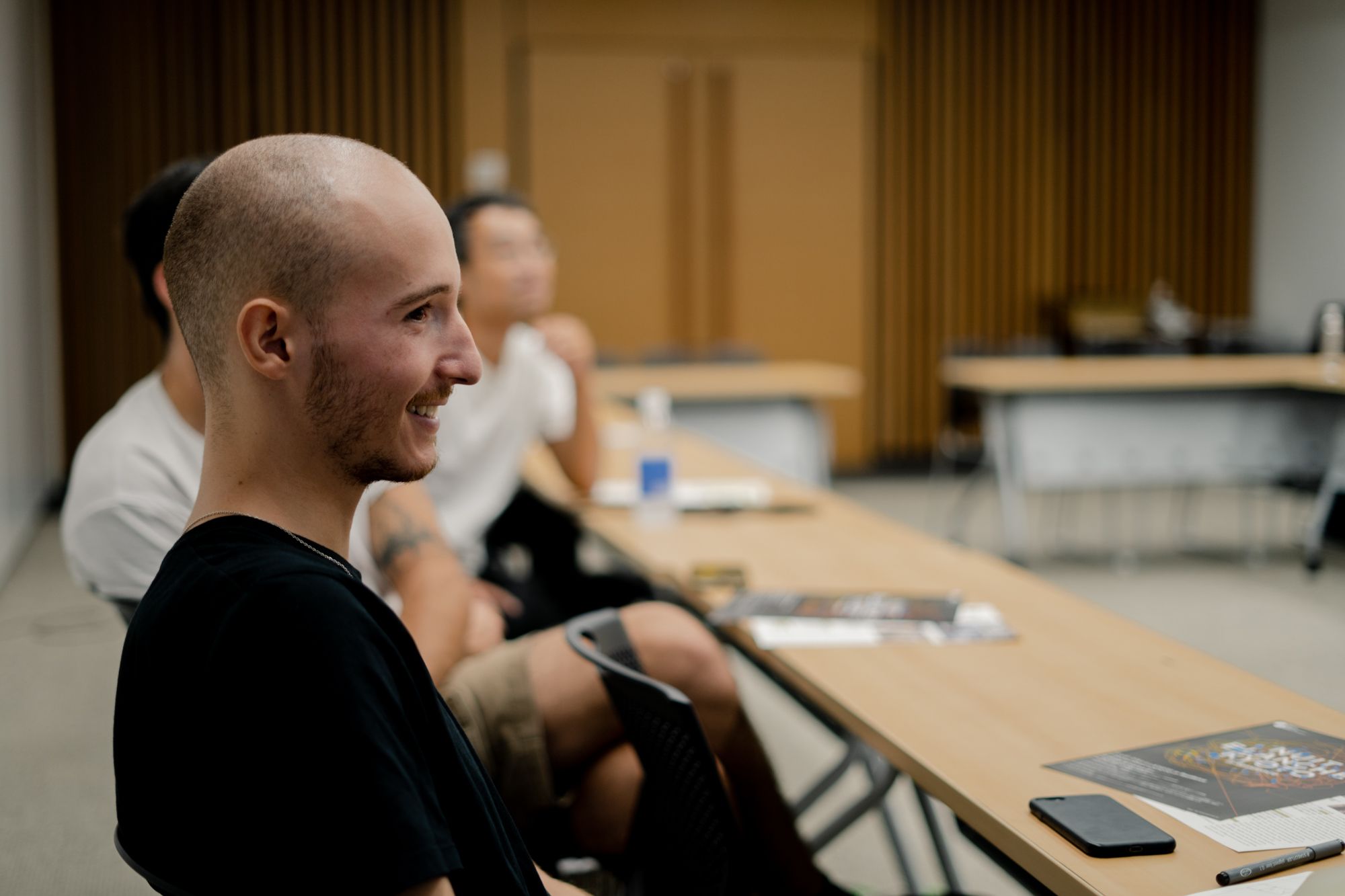
Paul Bonneville is a fashion designer with extensive professional experience in Japan, having worked as an assistant for Japanese fashion brands including CFCL and Yohji Yamamoto. Active across both his native France and Japan, he also hopes to establish a more permanent base in Japan in the future. In this sense, his residency at the former Nishijin weaving factory in Kamigyo Ward may well have served as a bridge toward his future activities.
Reflecting on the overall structure of the program, Paul commented:
“From the preparation phase to the execution of the project, and even the meetings with professionals from the local community, everything felt extremely carefully designed.
From the very first day, I immediately felt immersed in Kyoto, and the world of the craft tradition of Nishijin weaving. The people I encountered were incredibly warm, always willing to help and exchange ideas. Thanks to that atmosphere, I was able to fully devote myself to the creative process with a sense of ease.
I found myself wishing the residency could have lasted longer, and that was simply because the team and the environment were so wonderful.” (laughs)
💡What Emerged Through Exchange
One of the defining aspects of this project was the opportunity for creators to engage with a wide range of people: residency owners, the program’s uniquely established youth coordinators, and members of the local communities where the artists stayed. What kinds of insights and experiences emerged through their exchange during the residencies?
Encounters That Opened New Perspectives
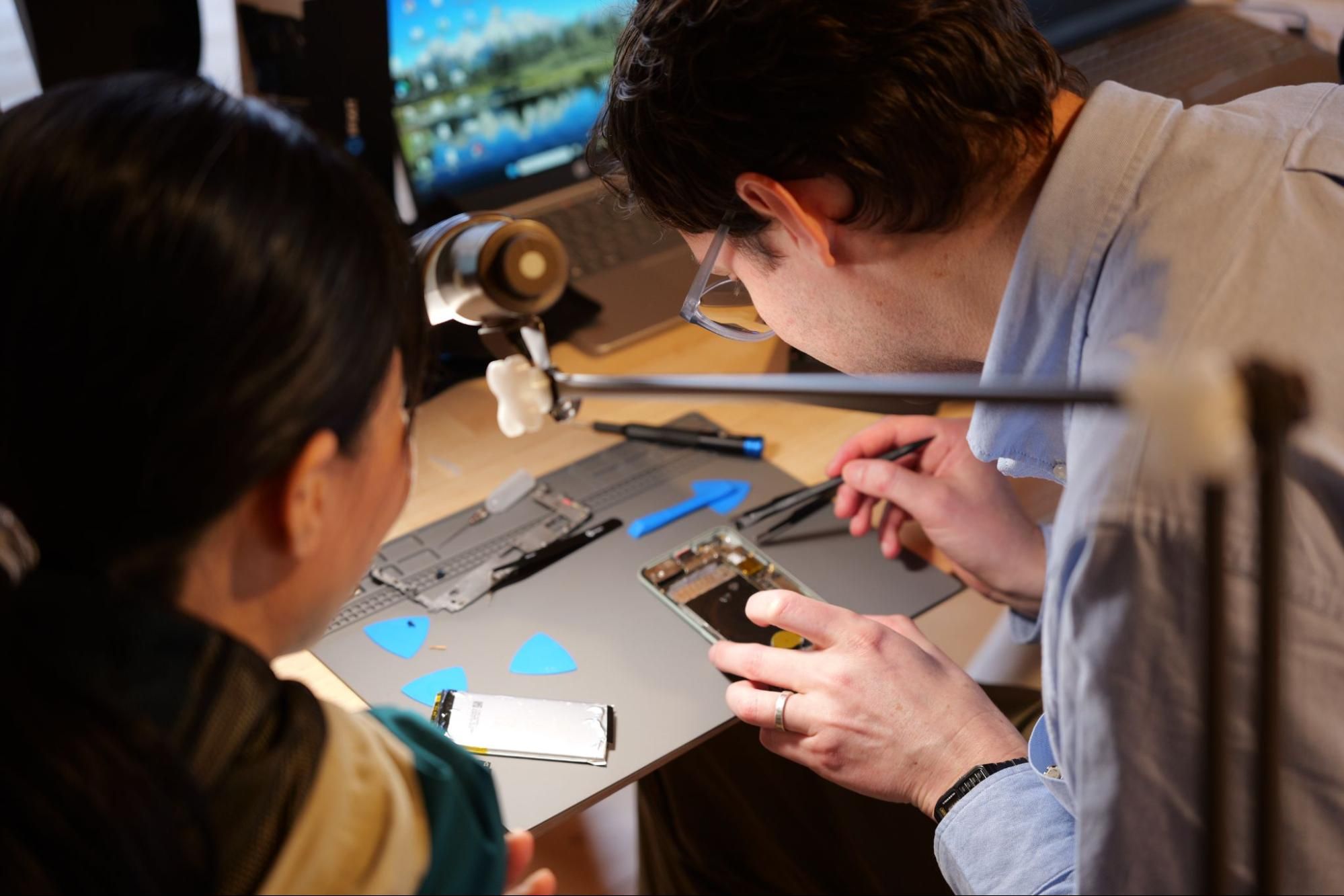
“Through events, workshops, research, and many conversations, I explored the concept of repair. As themes such as electronic waste, ownership, the right to repair, and circular economies become increasingly relevant, repair functions as a common thread connecting these discussions.
I had opportunities to meet a wide range of people in Kyoto — academics, government officials, junior high school students, elderly residents, industry specialists, and young entrepreneurs — and speak with them about repair. Witnessing how their views, their awareness and curiosity toward the subject gradually deepened, had a profound influence on my own creative practice.”
— Connor Kirk
Engagement with the Community as a Source of Inspiration
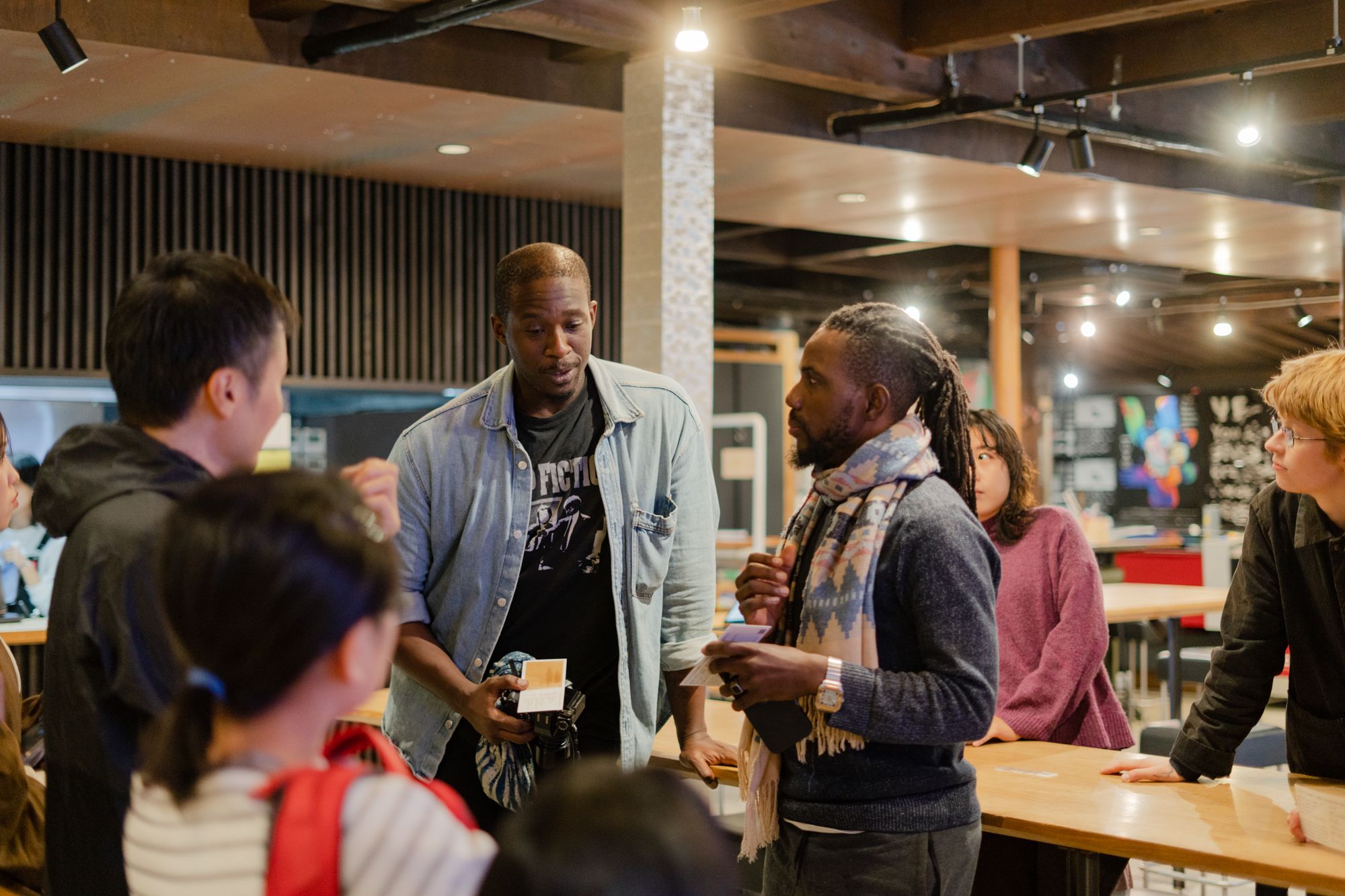
“Because I place a great importance on personal experience and approach, the environment had a significant impact on my creative process. Placing myself in a completely different cultural context encouraged me to remain constantly open and curious.
Umekoji is a highly creative area, and the strong sense of connection to both nature and community became a major source of inspiration for me. One of the biggest challenges was the language barrier, but in the end, I felt it was something that could be overcome. At the same time, it required me to think more creatively — and to push myself a little further — in order to communicate my work and intentions. Many people I encountered had never experienced Cameroonian culture before, so I needed to find thoughtful and inventive ways to share where I come from.”
— Jean David Nkot
Discovering the Essence of Communication
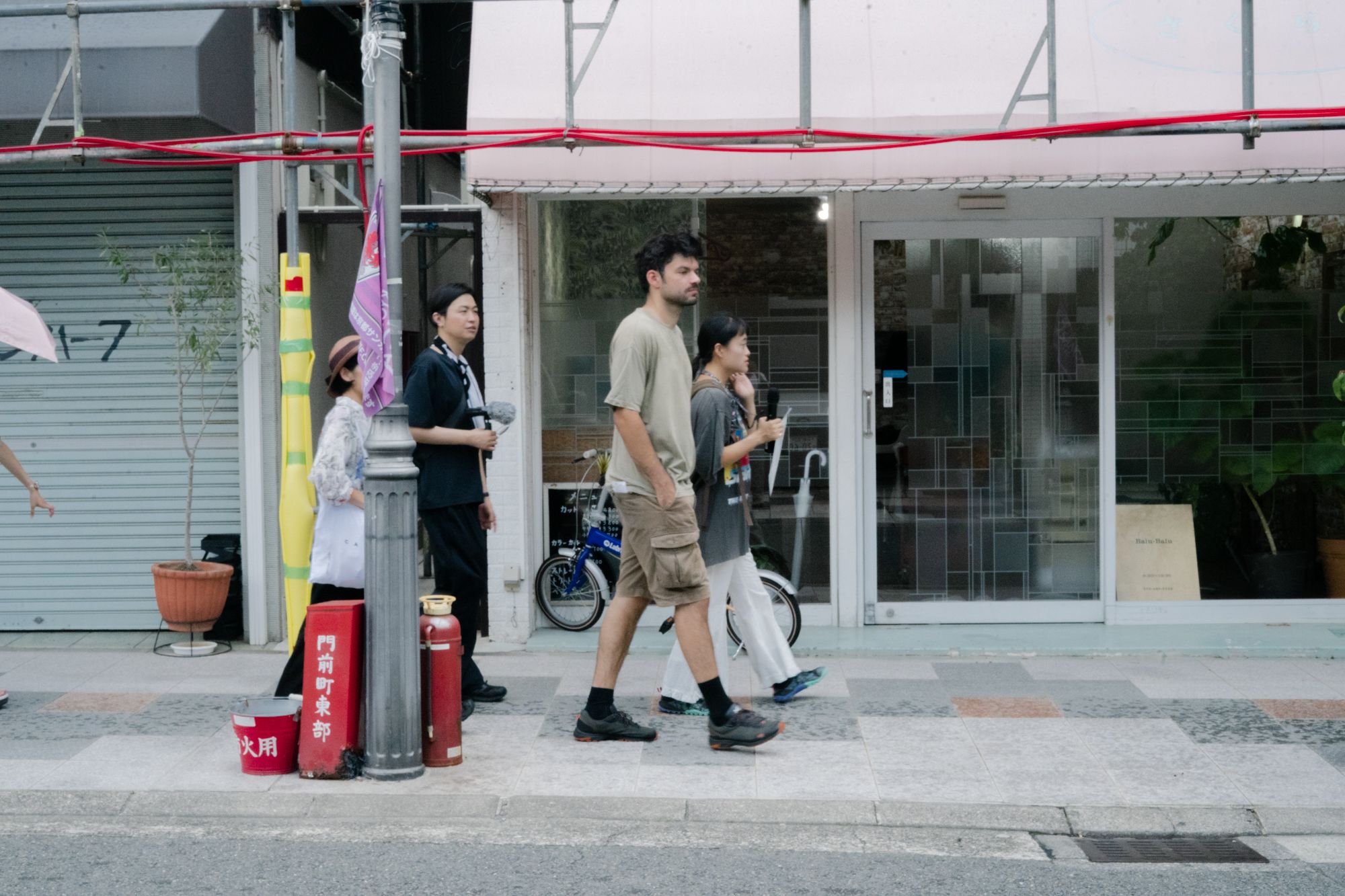
“Communication, understanding, and collaborative creation all require far more effort than usual, but I feel that the connections born through that process become all the more special and meaningful because of it. I tried to share as much as I could, while remaining open to learning deeply from the people around me.
I also feel that my way of creating changed on a fundamental level. I allowed myself longer periods of reflection, and I came to place greater trust in others. Art is always a collective adventure, and whether in making, sharing, or interpreting work, I think, it is essential to continue reaching out to others — even when communication does not come easily.”
— Jules Goliath
Experiencing Everyday Life Unique to the Local Community
“Bae Sangsun, who runs the studio where we stayed, is a central figure in the local community, maintaining close connection with residents while organizing various artistic events. Thanks to his connections, I was able to engage with a wide range of local people and activities in Oharano.
For example, I helped out at a nearby strawberry farm and was invited to share a home-cooked meal afterward. On another occasion, I visited the home of a fermentation researcher and experienced their work exploring the concept of umami.
For me, as a foreign visitor, these experiences went far beyond the conventional ways of experiencing Kyoto. Rather, they felt closer to a form of everyday life that transcended national borders.”
— Kim Taehyun
Exchanges That Transcended the Limits of Language
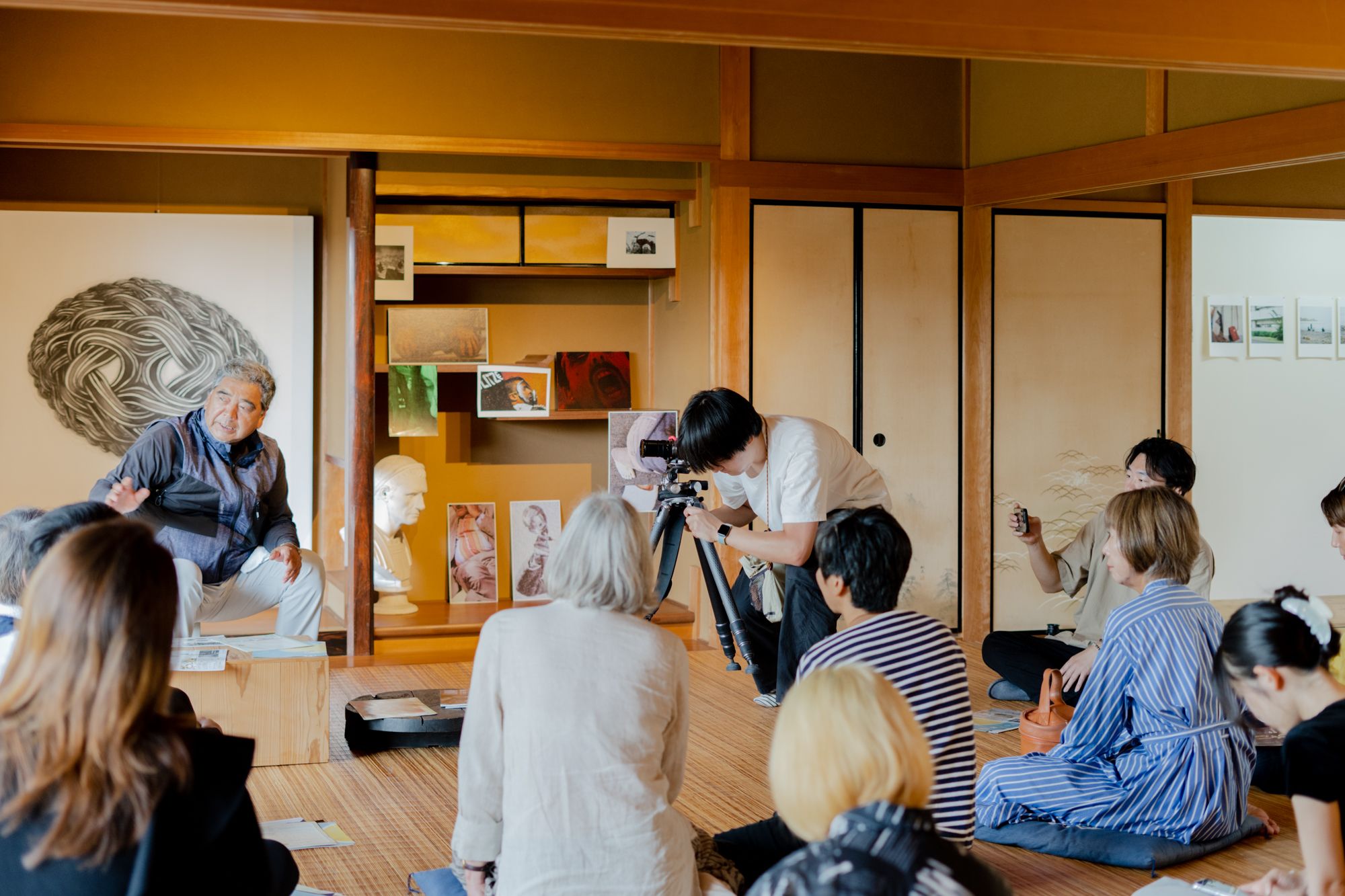
“One of the most memorable experiences for me was the series of portrait sessions I conducted with 108 local residents from the Kyoto area. Because of language limitations, our conversations were often brief, yet the exchanged glances and fleeting moments shared in silence resonated very deeply with me. Through this experience, I realized that meaningful exchange does not necessarily require extensive verbal communication. A simple sense of presence, repeated encounters, and mutual respect alone can be enough to build deeply meaningful relationships.”
— Hwang Juhyun
Collaboration with Residency Hosts
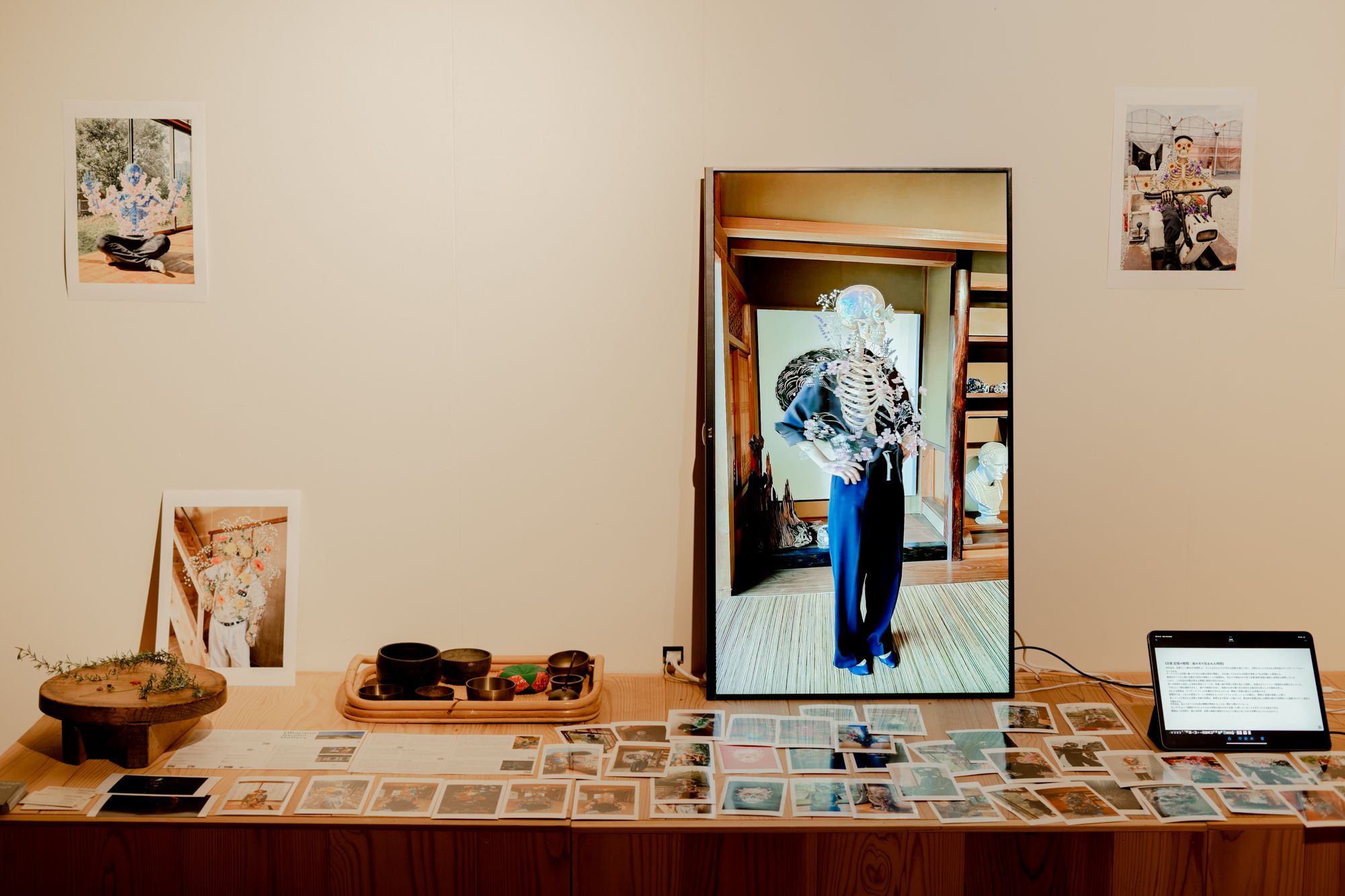
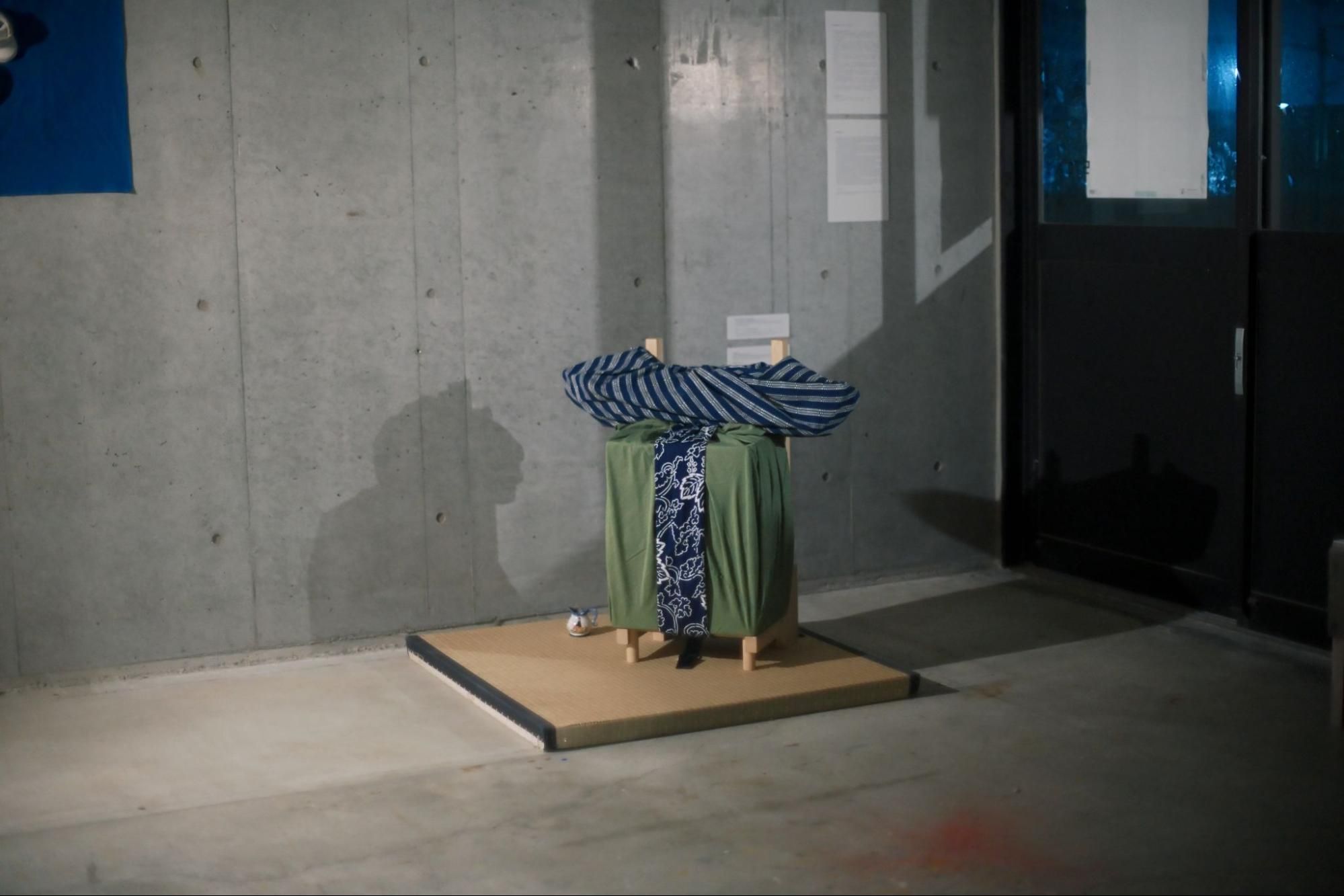
“In my works I wanted to reflect the environment itself — all I have experienced here throughout a month. That is why I asked residency host Masahiko Takeda to create an audio recording recounting his memories of the factory. I wanted to give form to the idea of collaboration.
The lantern piece that emerged from this process would have become something entirely different had it not been for the conversations with the *** in Residence Kyoto team and the discoveries we shared together.
I also met many creators and artists with whom I hope to continue exchanging ideas long after the residency has ended.”
— Paul Bonneville
Learning from the Presence of the Youth Coordinators
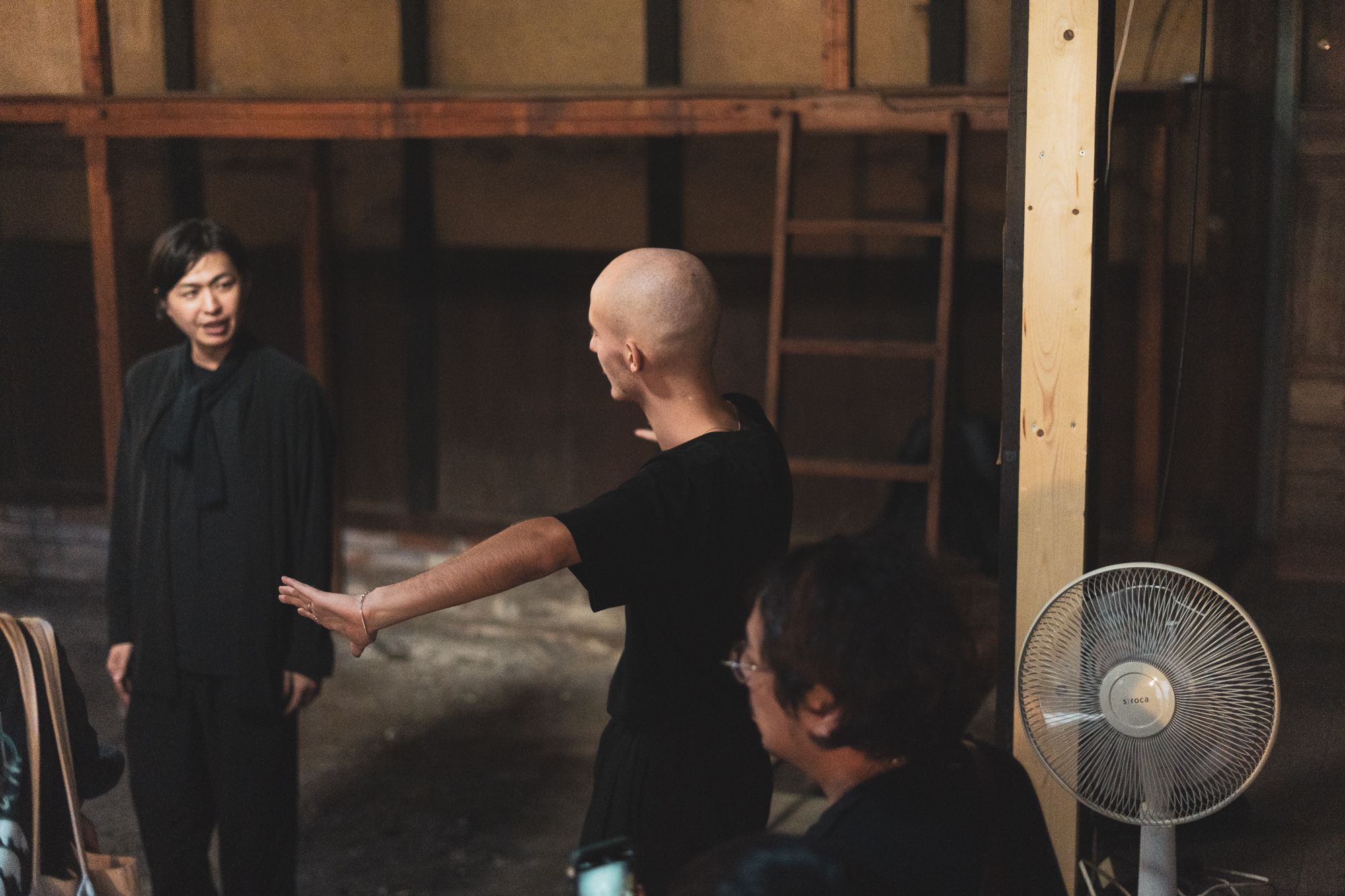
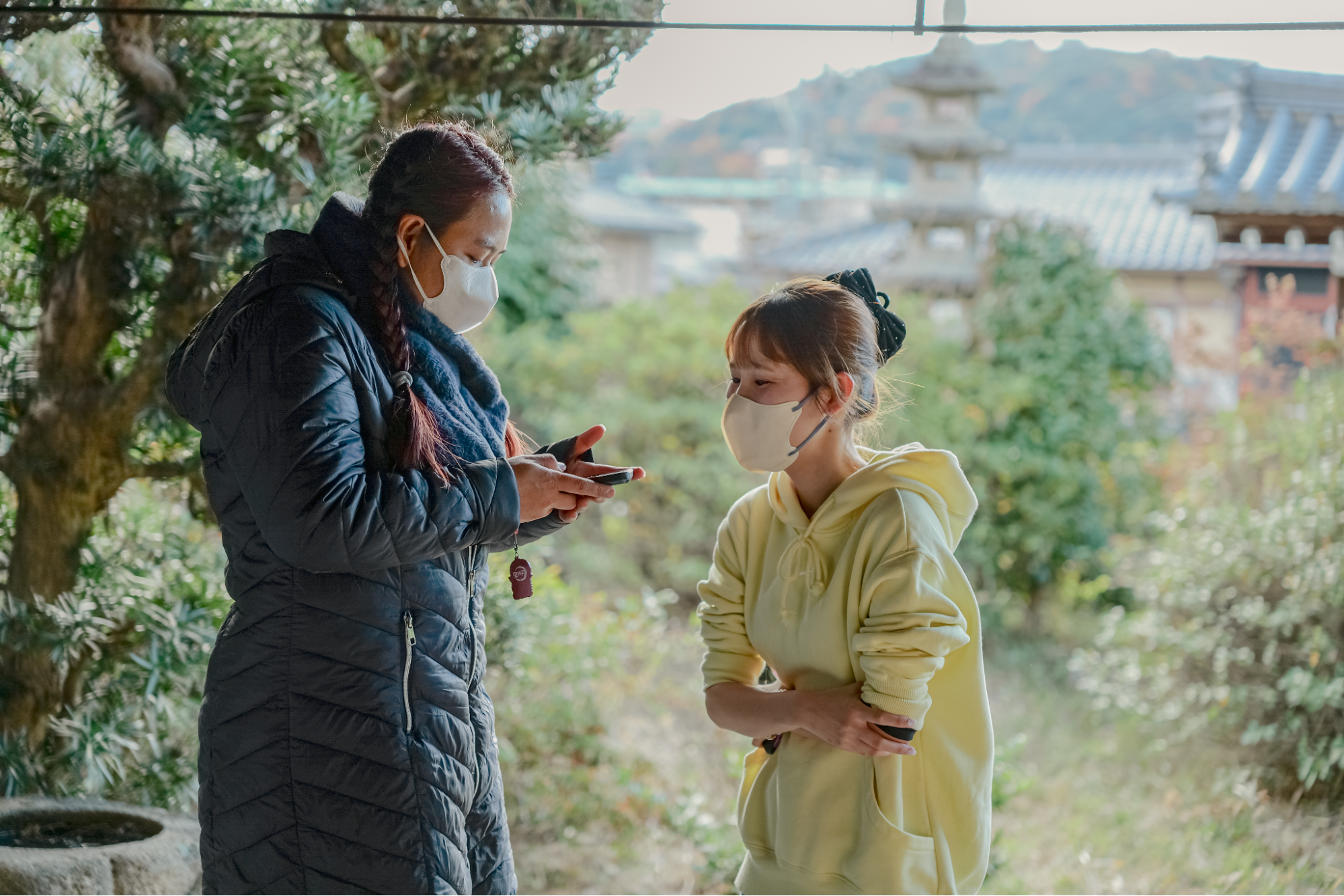
“Watching the youth coordinators naturally bridge differences in language, culture, and generation made me realize that collaboration does not necessarily require grand actions or elaborate systems. Sometimes, simply being present and creating a space in which others feel safe enough to speak, is already enough. I began to feel that as an artist, I want not only to create works, but also to gently support the kind of “space” where people can reflect and reconnect with each other.”
— Zun Ei Phyu
💡Looking Toward the Future of the Program
Finally, we asked the participating creators what they hope to see as the program continues to evolve in the years ahead. Alongside their enthusiasm for having taken part, many also offered constructive suggestions, which are shared below.
Toward a Program That Welcomes Even More Participants
“I hope that even more hosts will participate and there will be more opportunities to welcome visitors. This program holds tremendous value in the connections it creates between people, and those relationships benefit both visitors and hosts alike.”
— Jean David Nkot
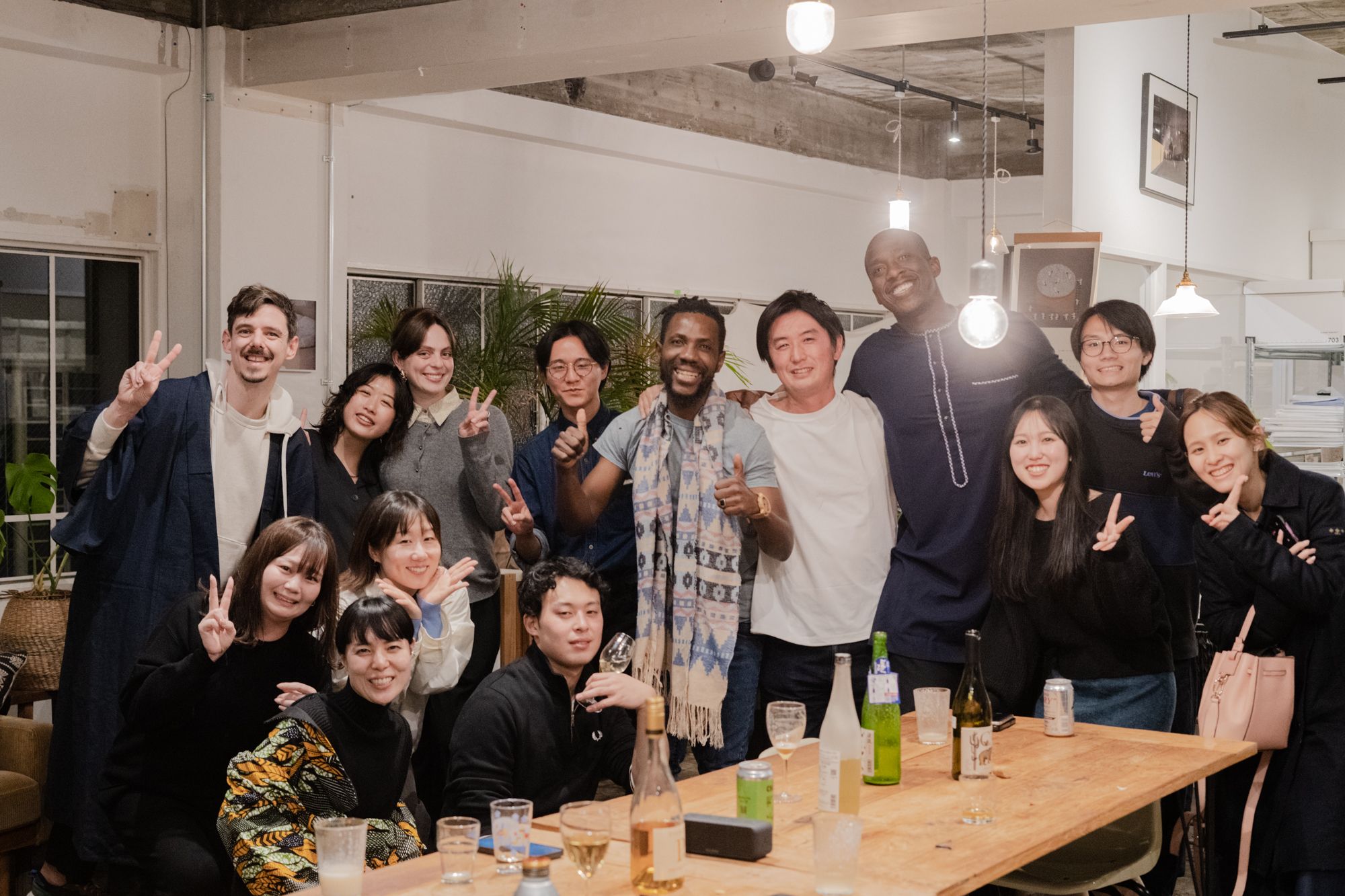
“This residency gave me a strong desire to return to Kyoto and continue creating as soon as possible. I believe that when approaching a residency like this, it is important to remain very open with one’s ideas and allow oneself to be guided by the people and situations encountered on site.
In the end, the final outcome is less important than the sincerity of the process itself. A work only becomes truly meaningful when it emerges through genuine dialogue with the local context and its constraints. That is something I would want to share with any artist considering this residency.”
— Jules Goliath
More Engagement with Local Communities
At the same time, we have received some concrete suggestions on how to improve the program in the future.
I also believe that having small opportunities to share not only completed works, but also works in progress and creative processes, would encourage even more experimentation and interaction.”
— Hwang Juhyun
“One thing I found slightly disappointing was that there were fewer opportunities than I had expected to connect with other art events taking place in Kyoto. Part of this may have been due to the limited duration of my stay, but I do feel that it would be valuable to create more opportunities for artistic exchange among creators staying in Kyoto during the same period.”
— Kim Taehyun
“For a program centered on engagement with local communities, I felt that one month is enough to touch upon a topic and begin the research process, but perhaps slightly too short to fully deepen a project.I see it as a period that functions more as a starting point — one that can lead to future visits and longer-term engagement.
I also believe that the residency’s emphasis on process is one of its greatest strengths. At the same time, if the organizers could communicate more clearly about the scope of support — what kinds of assistance can realistically be provided, and where the limitations lie — it would help participating artists make more independent decisions about how to shape their projects.”
— Zun Ei Phyu
The 2025 edition of *** in Residence Kyoto program brought about various insights for the participating creators, too. What proved especially striking was how many of them spoke not of the artworks themselves, nor of the time spent producing them, but rather of the everyday moments that became their deepest memories: meals shared around the same table, casual conversations, and even quiet stretches of time spent together without words. To continue evolving beyond simply providing a place for production and temporary stay, and foster more active relationships among residency hosts, local residents, and younger generations is likely the key to future program development.