📚
2. Kyodo shoko(共同書庫) / Residency focuses on library, literature, and publishing
Instagram: https://www.instagram.com/kyodoshoko/
- The host residences in this open call are newly selected micro-residency spaces supported by the *** in Residence Kyoto office. As many are still shaping their approach to hosting creators, the programme has an experimental character. We welcome creators who are open to exploring the residency experience together with the hosts.
- Important Notice: Due to our limited administrative capacity, applications are limited to the first 30 submissions per residence. The application form for each residence will be closed once this quota is filled. We encourage early submission to ensure your application is considered.
About the Residence
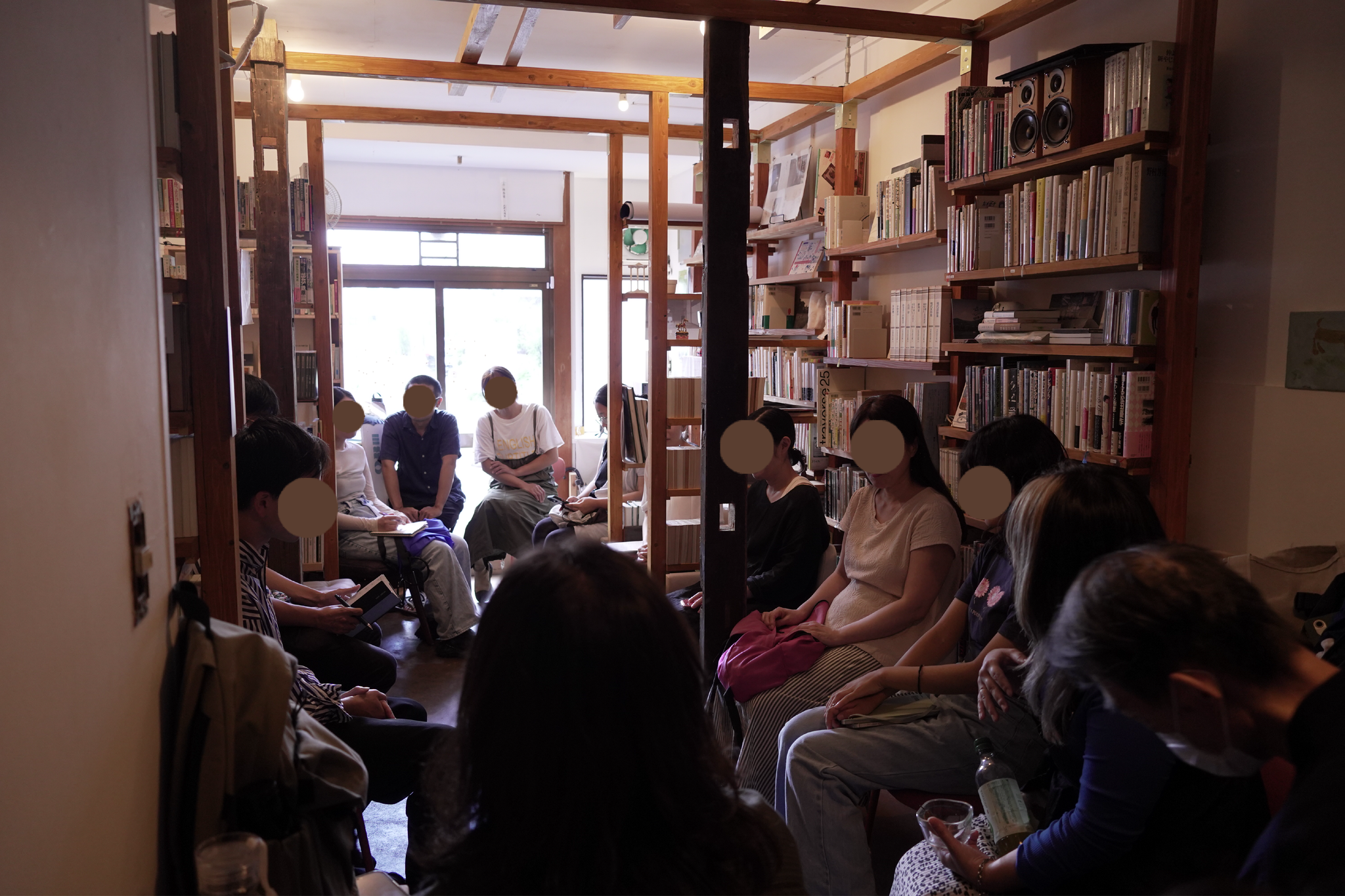
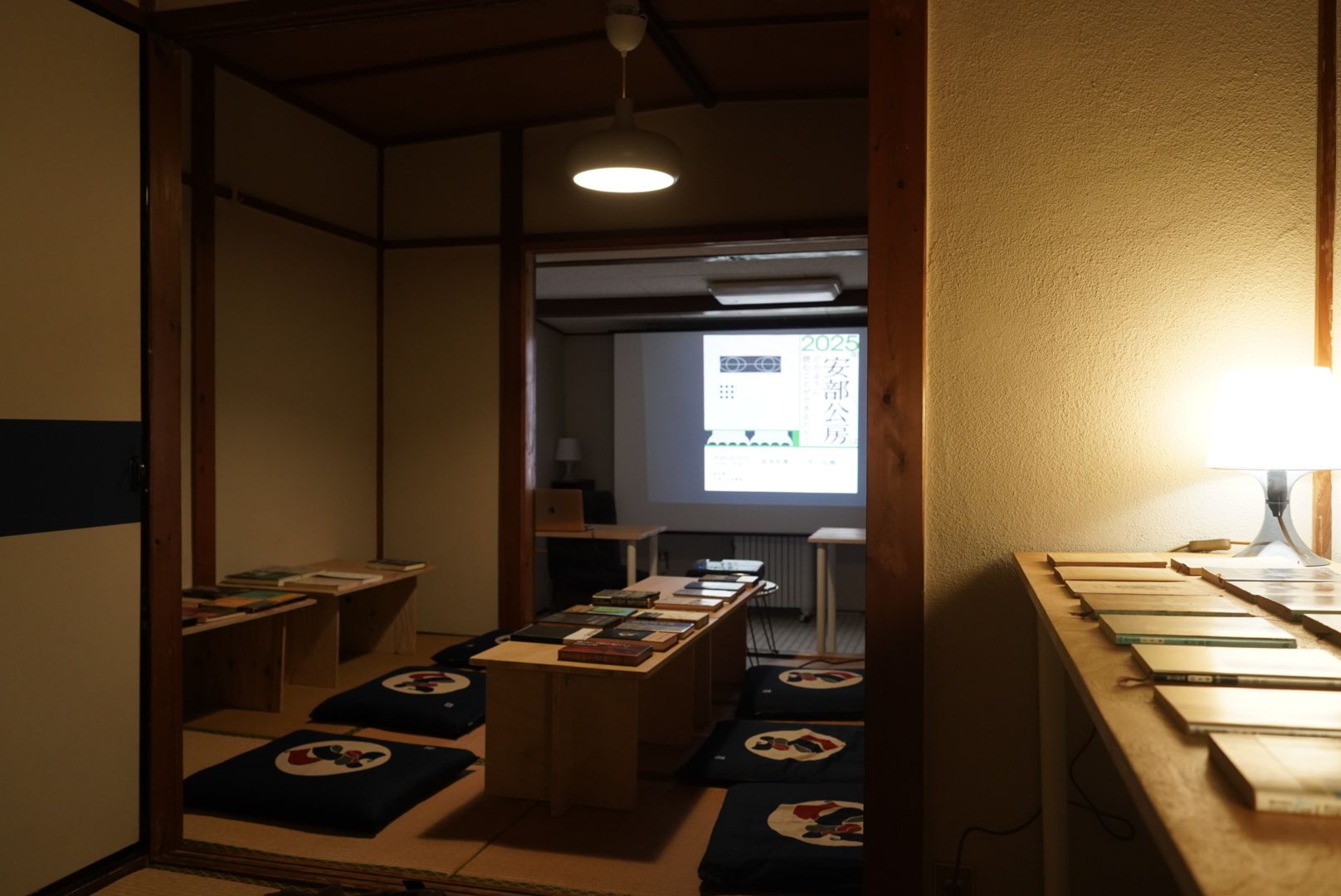
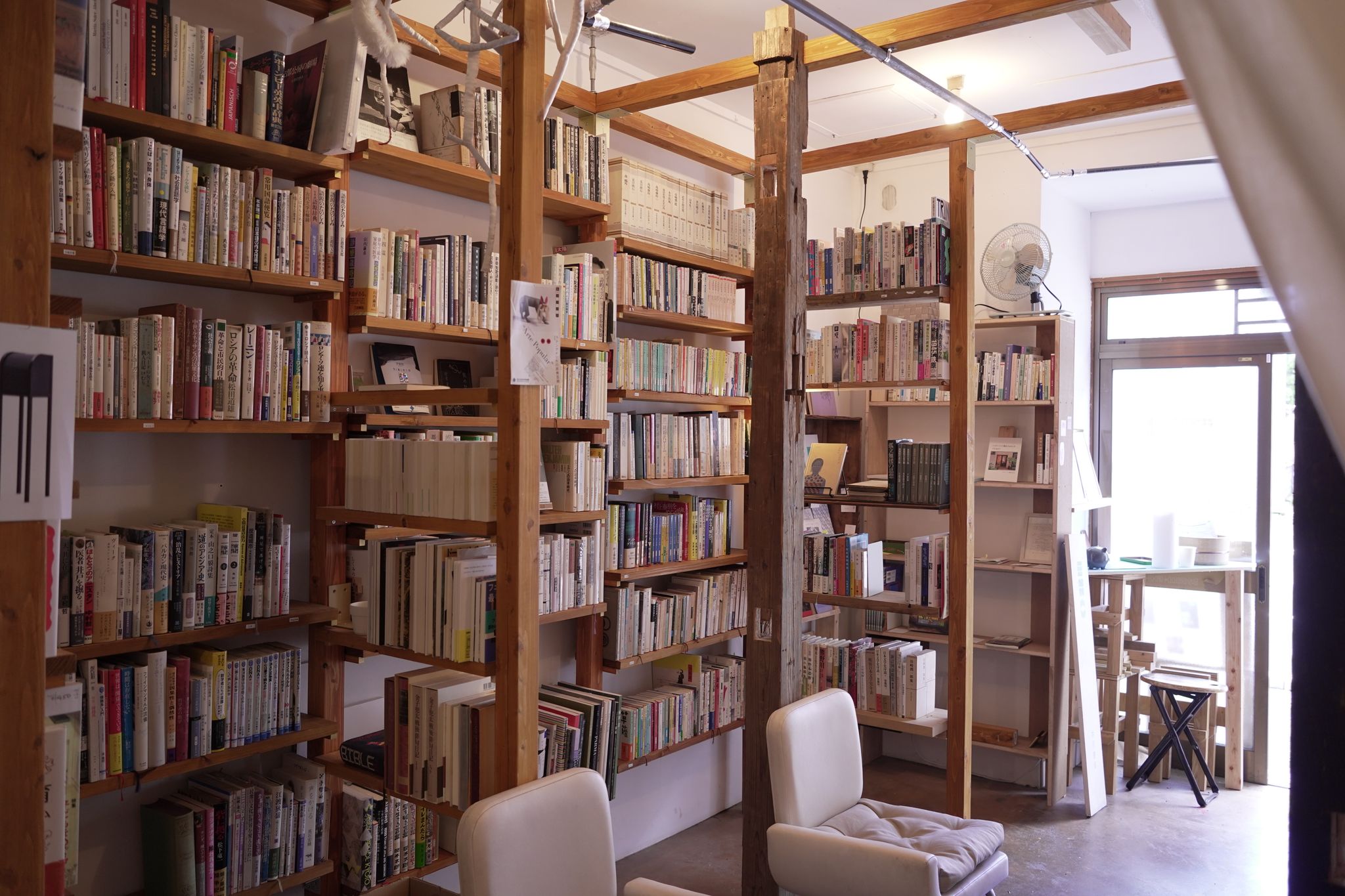
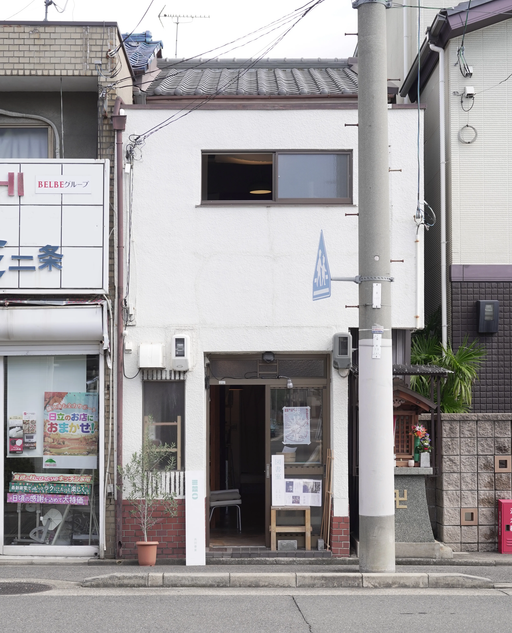
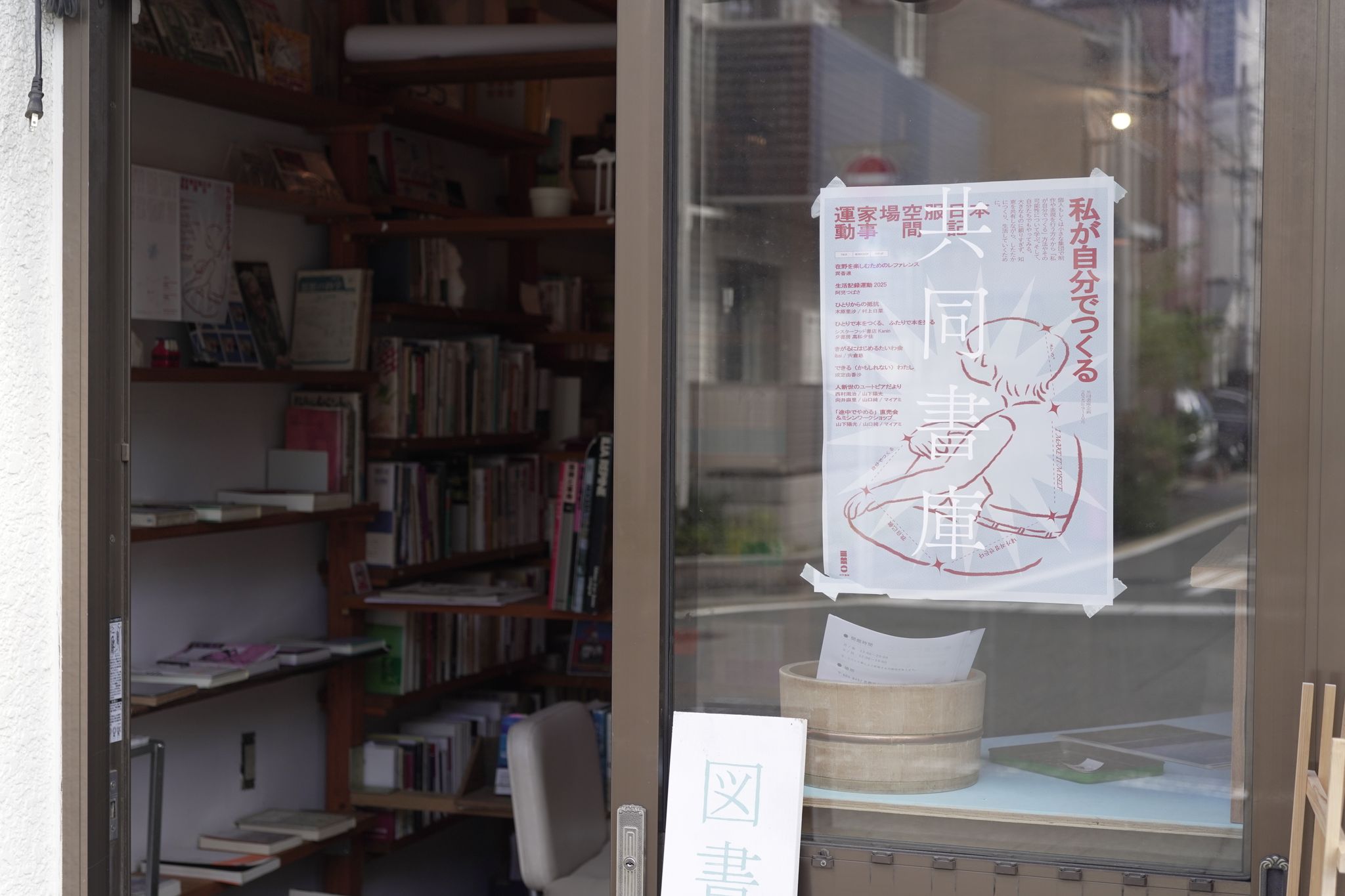
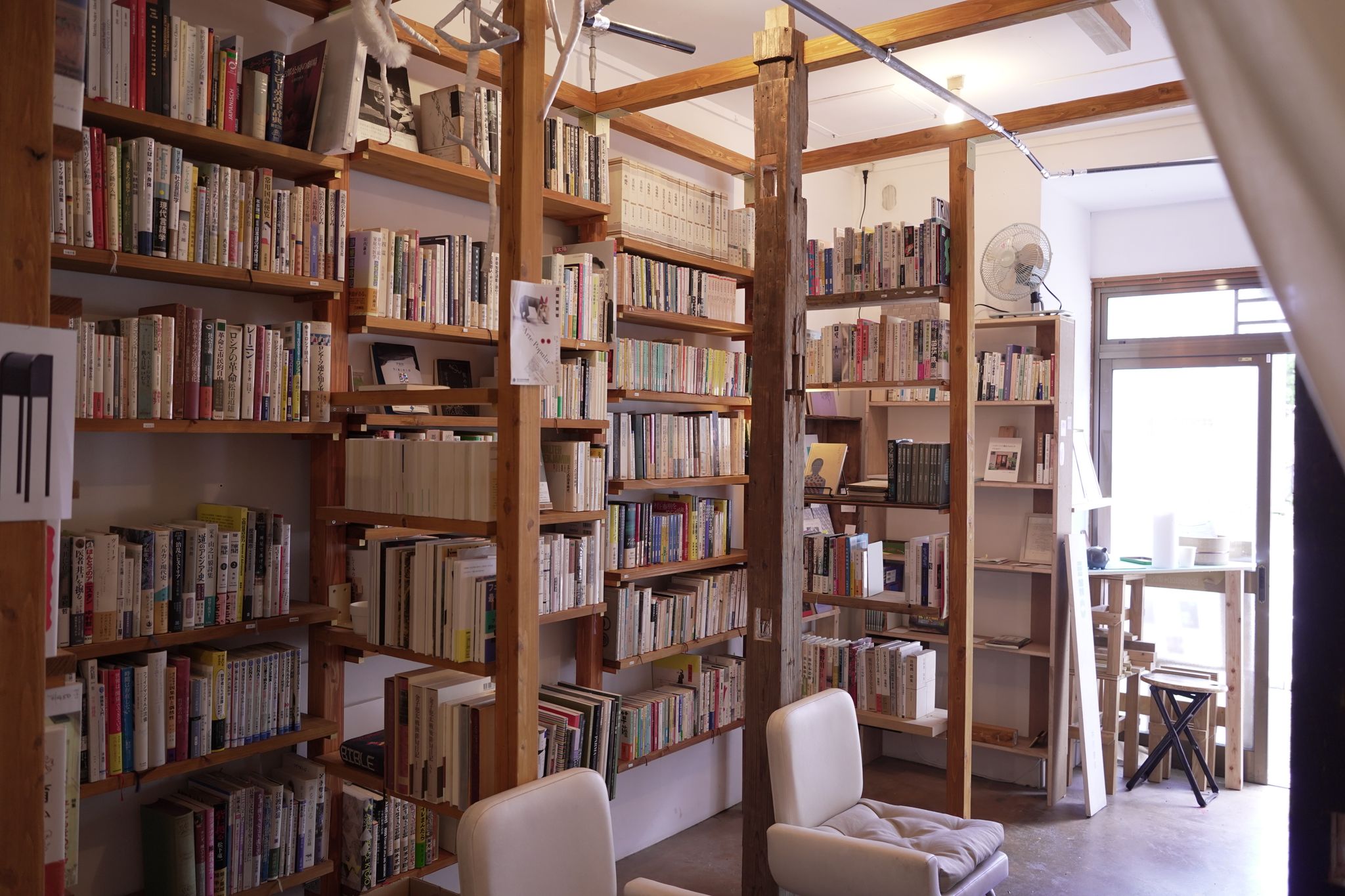
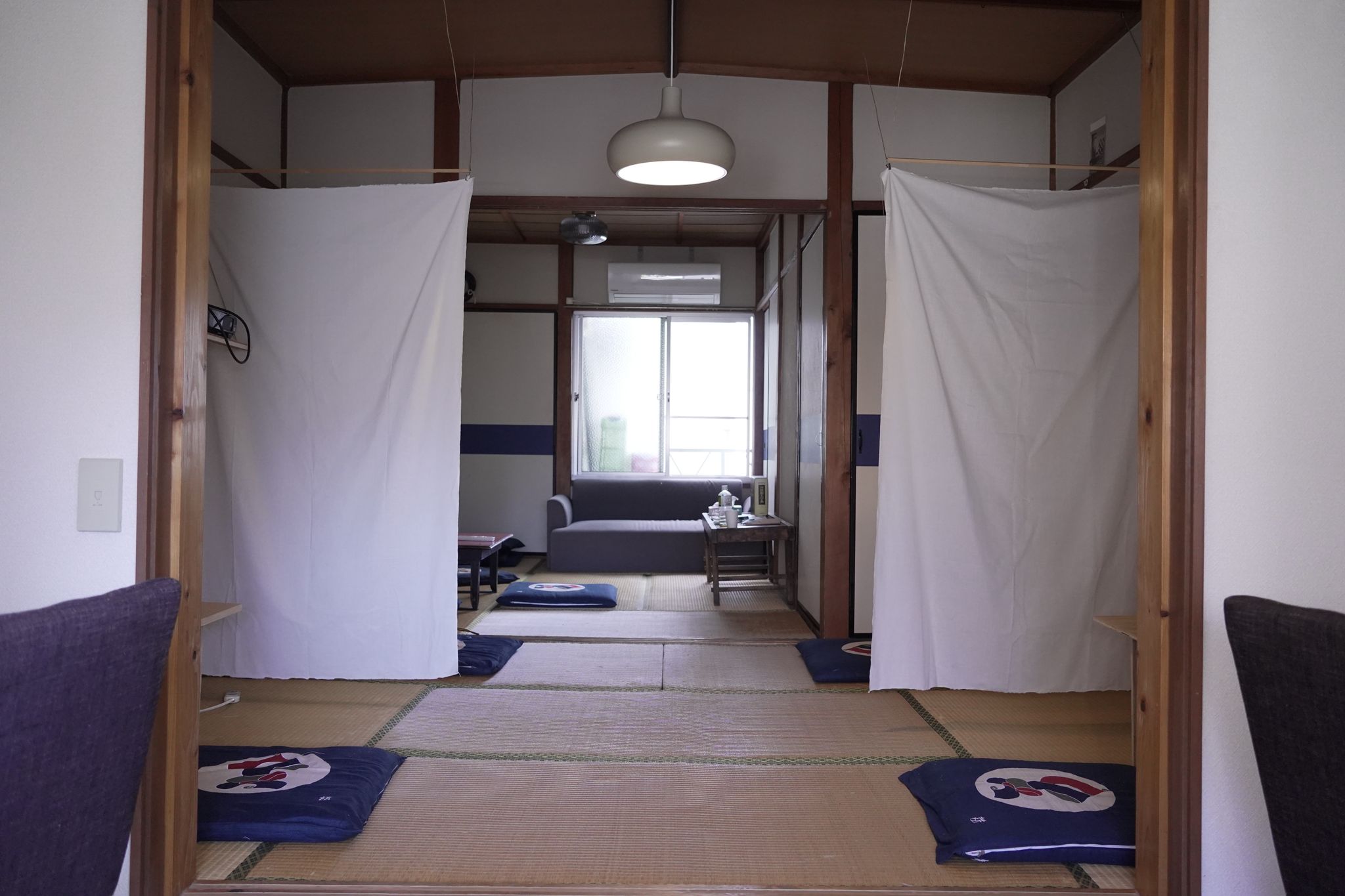
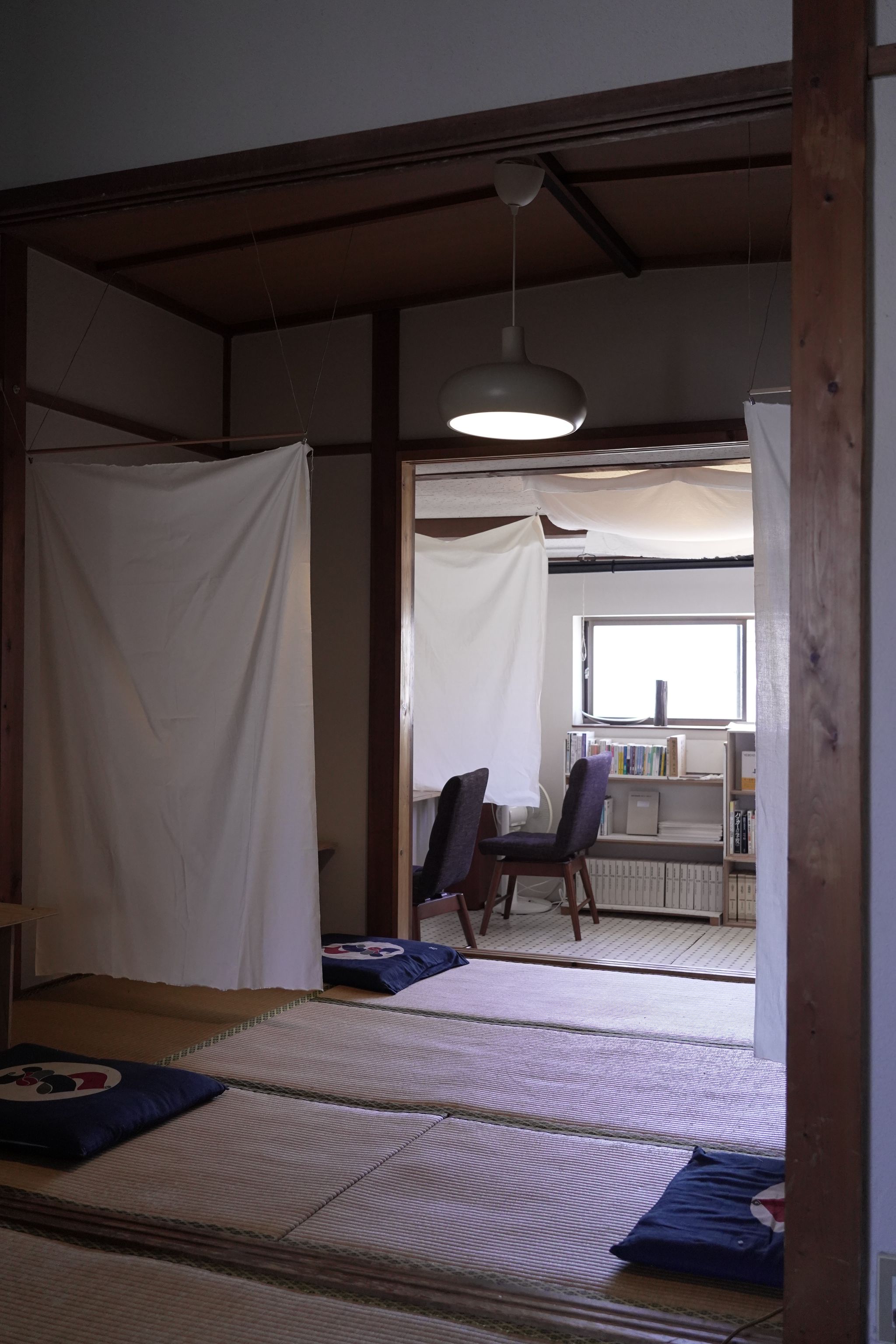
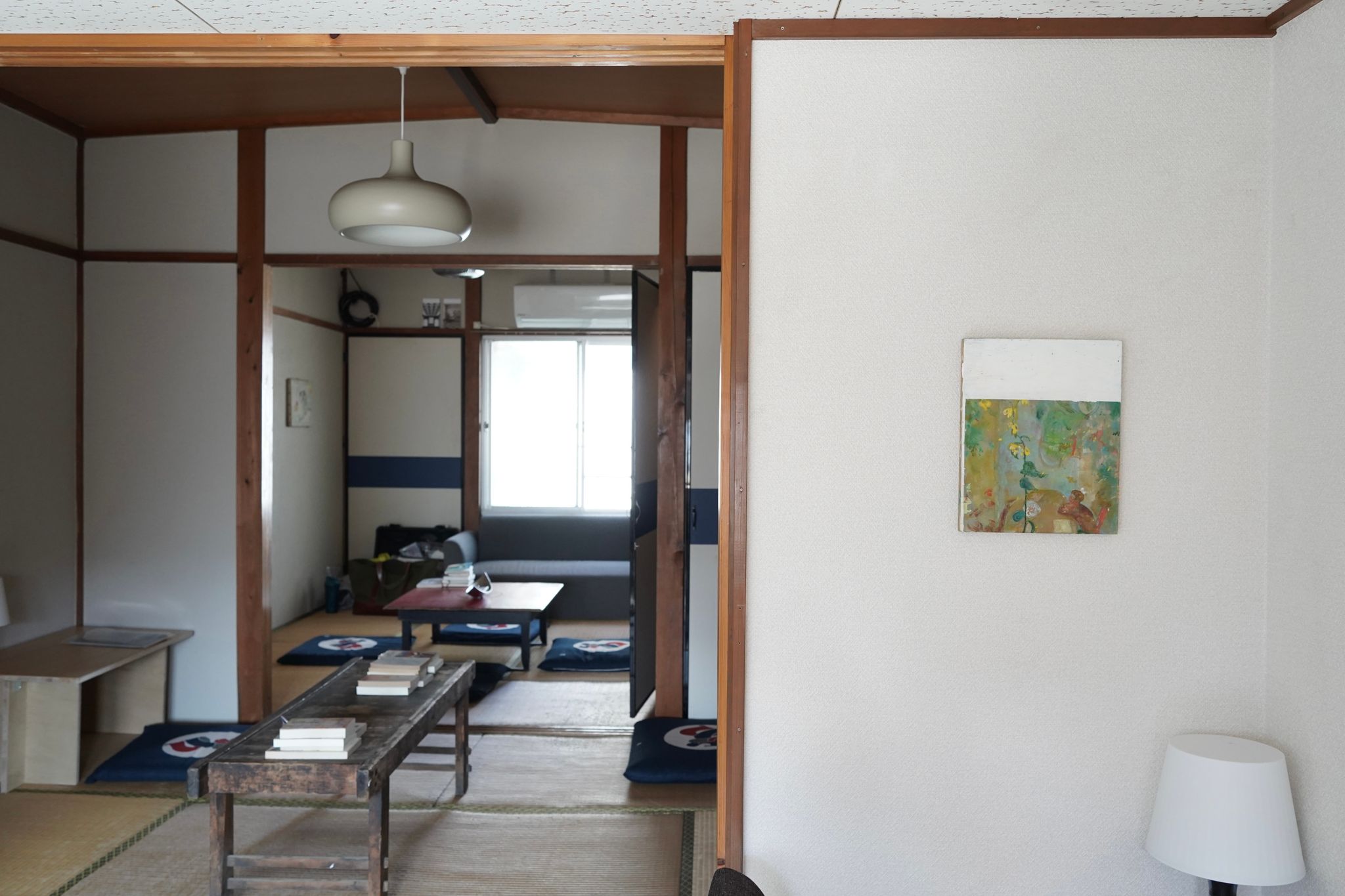
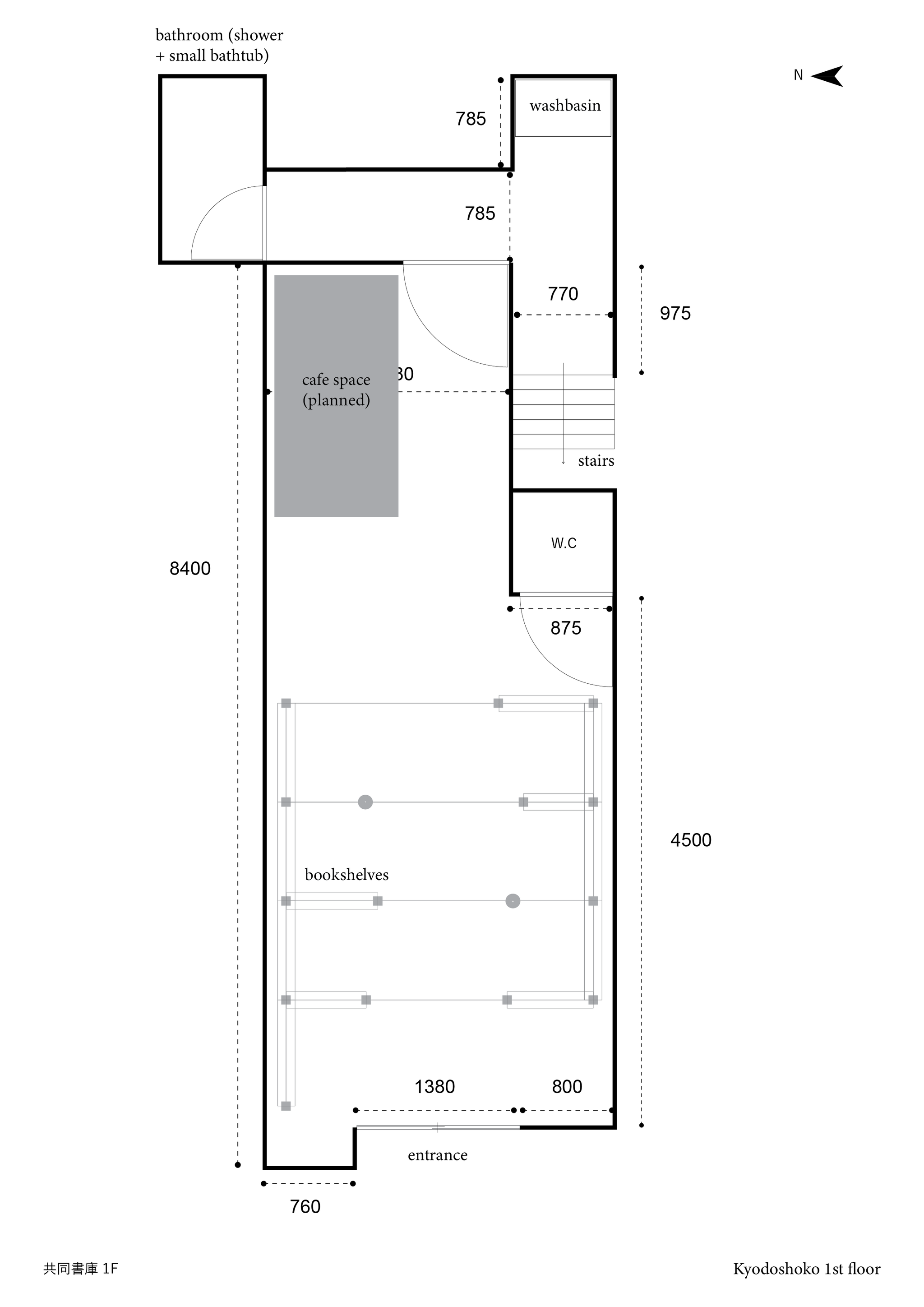
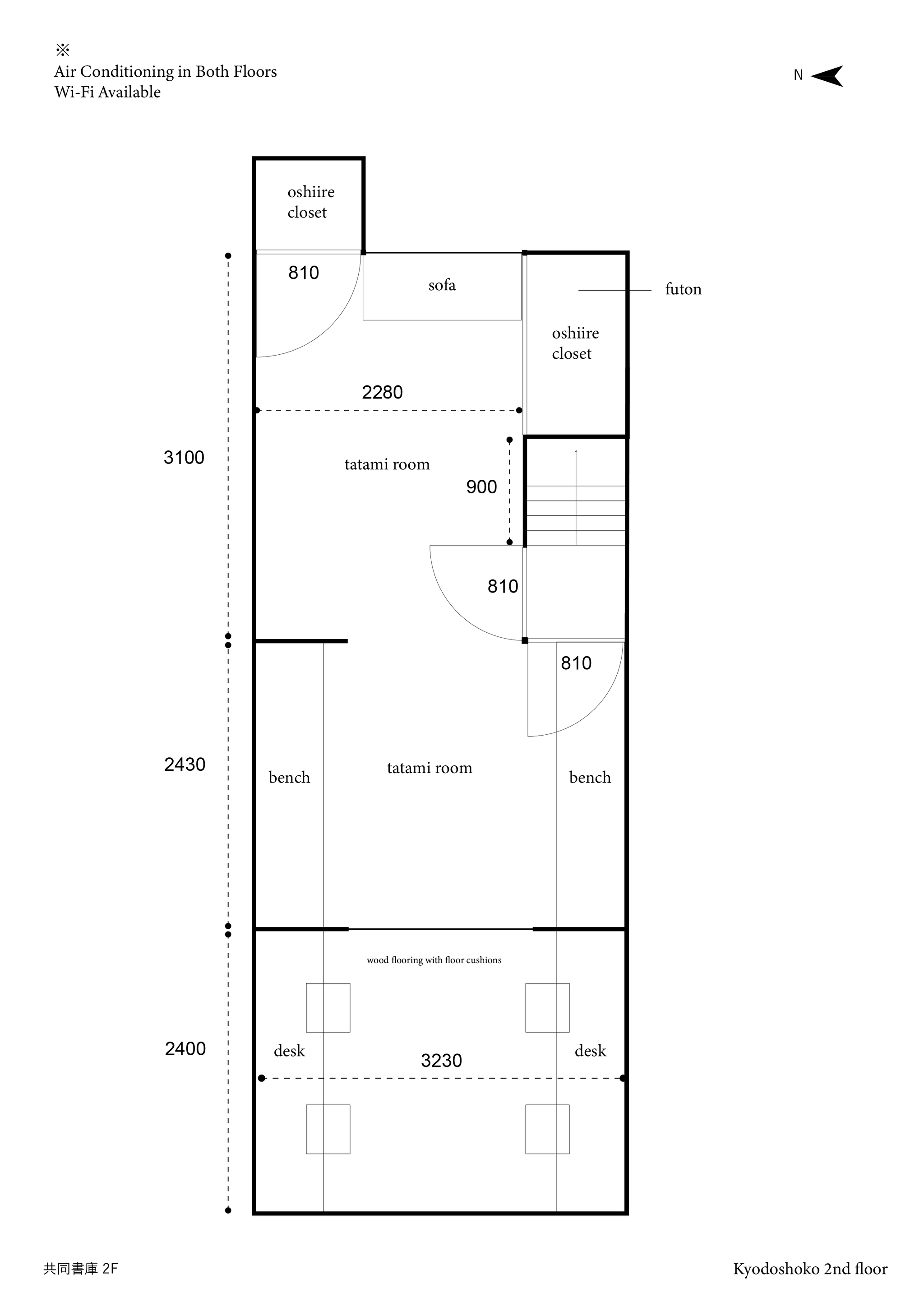
Kyodo Shoko is a private library that seeks to open personal book collections to the local community and share books as a public resource. Located near Nijo Station in Nakagyo Ward, Kyoto, it was opened in February 2025 by former residents of Kyoto University’s Kumano Dormitory. The space is a renovated house: the doma space on the first floor holds a collection of more than 1,500 books, while the Japanese-style room on the second floor is used as a reading room and event space.
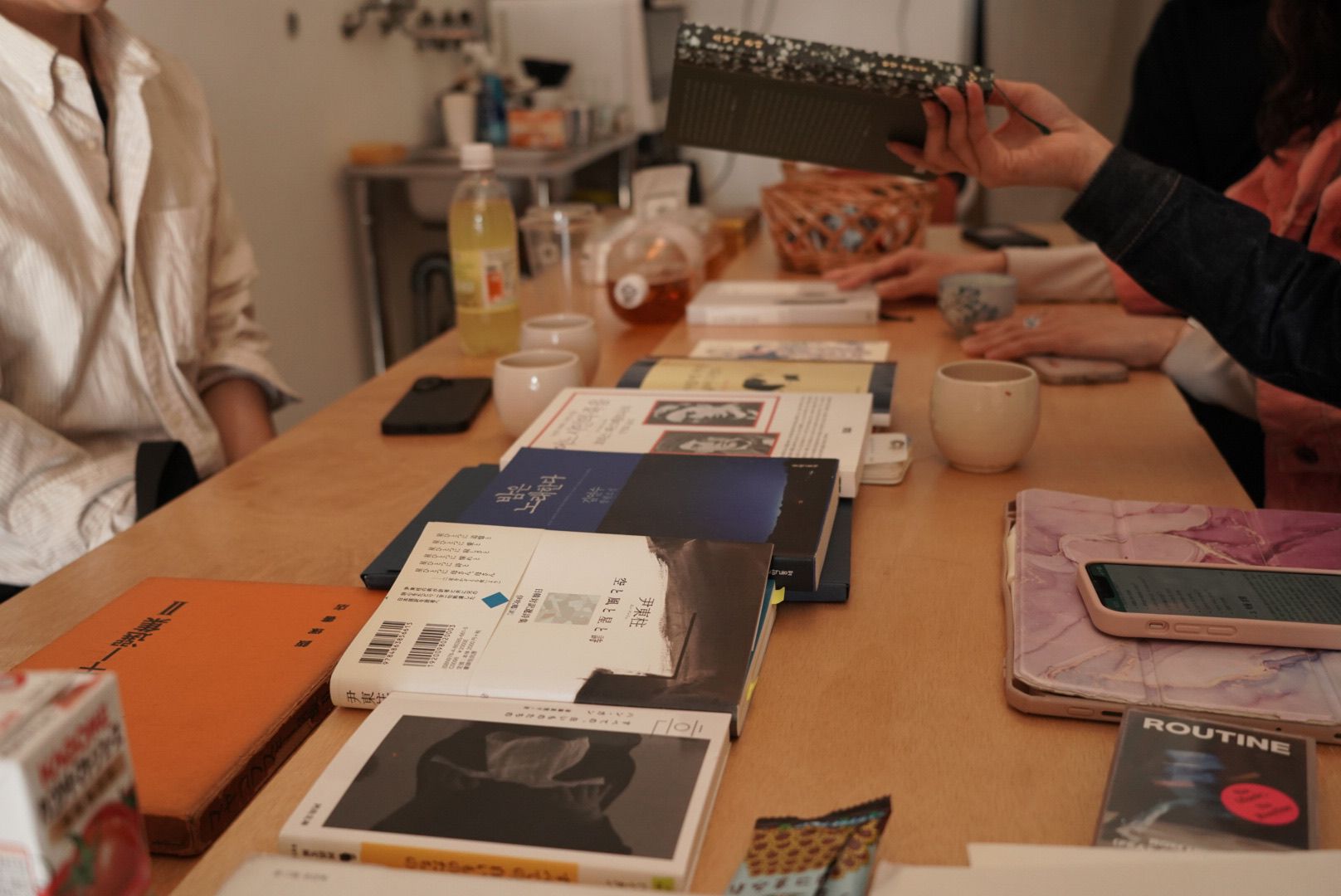
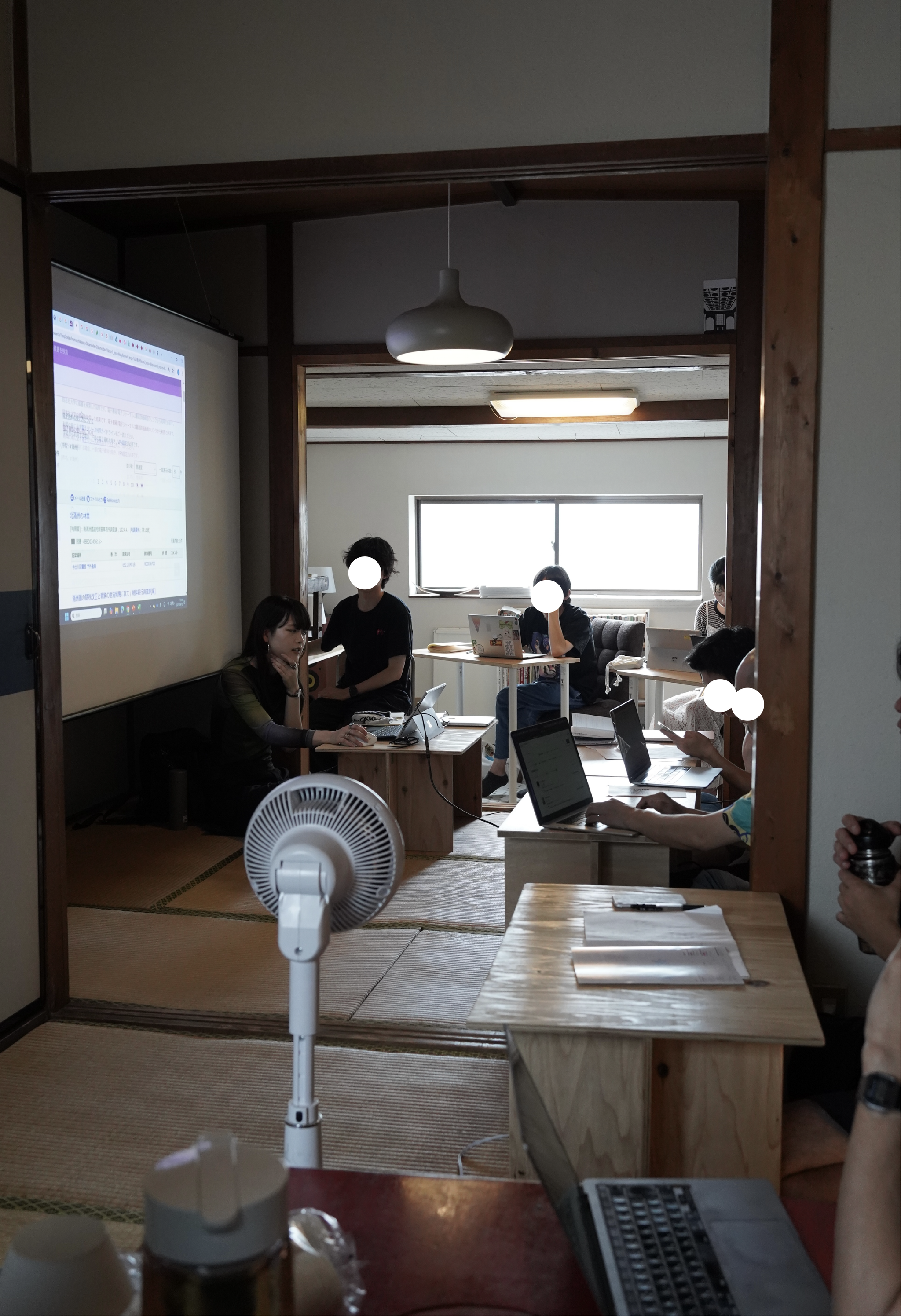
Kyodo Shoko regularly hosts various practitioners, including researchers, editors, translators, architects, and artists, for talk events, reading groups, workshops, and other programmes. A major characteristic of this residence is that it is not simply a place to store books, but an open space where people gather, read, talk, and think through the medium of the book collection.
Through this programme, creators are expected to engage with Kyodo Shoko’s collection and space, and to explore themes such as books, editing, translation, archives, libraries, and the sharing of knowledge through their own practice. During the residency, we will think together about how books, which are privately owned objects, can be opened up as public resources.
Local Context and Community
The area around Nijo Station, where Kyodo Shoko is located, is home to a diverse range of people, including families, single residents, university students, artists, and local practitioners. Kyoto City also has networks of editors, translators, librarians, booksellers, researchers, architects, artists, and others involved in books and the sharing of knowledge.
During the residency, creators can develop their research and practice by using Kyodo Shoko’s collection and space as starting points, while building connections with these people and practitioners. Kyodo Shoko has previously held programmes such as “reading groups with translators” and “reading groups in the original language.” This residence also welcomes reading groups and projects that develop these activities further by incorporating multilingual and multicultural perspectives.
We are looking for creators who
This residence welcomes creators who:
- Are interested in books, libraries, editing, translation, archives, publishing, reading culture, and the sharing of knowledge
- Are editors, librarians, researchers, writers, curators, artists, or other practitioners who open places and activities to citizens
- Are interested in independent public spaces and small-scale hubs for sharing knowledge
- Are interested in reconsidering personal book collections and archives as resources that can be opened to local communities and society
- Want to think about the role of books, reading, translation, and libraries in multilingual environments
- Are interested in practices that interpret and re-edit Kyodo Shoko’s book collection and space
- Are interested in creating spaces where a wide range of people, from children to adults, can participate, while still engaging with specialised knowledge
Facilities and Environment
- Library and reading spaces: The first-floor library space and the second-floor Japanese-style reading room can be used for research, reading, production, and dialogue.
- Activity and presentation spaces: The second-floor Japanese-style room and other spaces in the building may be used for reading groups, talks, workshops, exhibitions, and related activities, depending on consultation.
- Book collection: Kyodo Shoko’s collection of more than 1,500 books can be used as a starting point for research and projects.
- Connections with local practitioners: Creators can develop their activities while connecting with editors, translators, librarians, booksellers, architects, artists, and other practitioners in Kyoto who are involved in books and the sharing of knowledge.
- Accommodation: The residency is expected to take place within Kyodo Shoko. Details are currently being arranged.
Support Provided
Selected creators will receive the following support:
- Accommodation during the residency period
- Basic coordination support from Kyodo Shoko and the *** in Residence Kyoto team
- Support for daily life consultation and activity coordination by staff members who can communicate in English
- Orientation upon arrival, guidance around the neighbourhood, information on waste disposal rules, and emergency contacts
- Support in connecting with editors, translators, librarians, booksellers, architects, artists, and others in Kyoto
- Introductions and consultation related to Japanese reference materials, production materials, printing companies, and other resources
- Support for public programmes such as reading groups, talks, workshops, and exhibitions
- Publicity support for residency-related events
- Travel support: up to 100,000 JPY
- Production and activity support: up to 100,000 JPY
The production and activity support may be used, depending on the project content, for costs such as printing, materials, consumables, equipment related to exhibition installation, ZINE production, and costs related to workshops, reading groups, and other activities. However, any purchase or order must be discussed and confirmed in advance with the organiser or host facility.
Costs Not Covered
Unless otherwise stated, the following costs are not included in the support:
- Food, daily necessities, and other everyday living expenses
- Personal transportation costs within Japan
- Visa application fees
- Overseas travel insurance, health insurance, and other insurance fees
- Additional accommodation outside the official residency period
- Large-scale production costs that have not been agreed upon in advance
- Personal shopping or expenses not directly related to the project
Selected creators are responsible for arranging their own overseas travel insurance and health insurance for the duration of their stay.
Possible activities during the residency
During the residency, creators may carry out activities according to their proposal, including research, collection research, fieldwork, reading groups, talks, workshops, exhibitions, ZINE-making, documentation, and archive-making. Possible activities might include research that reinterprets Kyodo Shoko’s collection from the perspective of an international creator, comparisons of library models and book circulation systems in Japan and abroad, or projects that consider the role of small-scale libraries in multilingual environments.
We also welcome projects that do not rely only on language, such as reading groups where participants bring visually enjoyable books, including art books, picture books, and photography books; simple bookbinding workshops; or ZINE-making activities. Towards the end of the residency, creators are expected to share their process and research outcomes with the local community and visitors through formats such as a final talk, reading group, or exhibition.
The expected residency period is approximately one month.
The specific timing and dates will be adjusted according to the creator’s proposal and Kyodo Shoko’s operating schedule. During the residency, the following flow is expected:
- Week 1: Orientation, research on the book collection and space, and building connections with the local area and relevant people
- Week 2: Continued research, and implementation of a reading group or small-scale exchange programme
- Week 3: Production, editing, documentation, and preparation for sharing outcomes
- Week 4: Sharing through a final talk, exhibition, reading group, ZINE production, or other format
The content of the activities and the format of the outcomes will be flexibly adjusted according to the creator’s practice.
Notes for Applicants
This residence is not a programme based on the assumption of a large-scale production studio or a completely independent atelier environment. Kyodo Shoko is a small private library that opens personal book collections to the local community, and it is also a place where people gather through reading groups, talks, workshops, and other activities.
During the residency, creators will have opportunities to engage with the organisers, visitors, local people, and practitioners in Kyoto while using the book collection and space. Therefore, this residence is more suitable for those who are interested in talking, reading, thinking, and opening up a place through books and space, rather than those who prioritise working alone in a highly concentrated environment.
At present, Kyodo Shoko’s collection and programmes are mainly in Japanese. Creators will therefore have many opportunities to encounter Japanese-language materials. Japanese language ability is not required, but creators are expected to be flexible in engaging with a multilingual and multicultural environment through translation, dialogue, visual materials, collaborative work, and other approaches.
Residency outcomes do not need to be limited to completed works. We welcome forms of sharing that include process, such as reading groups, talks, exhibitions, ZINEs, documentation, re-editing the book collection, or proposing future programmes. Through the residency, we hope to explore together how Kyodo Shoko, as a small site for sharing knowledge, can be opened further to the local community and to the world.
Photos of the spaces
exterior
library
tatami room
floor plan
previous activities