🪄
3. Toji-in Residence / 等持院レジデンス Residency focuses on social practices and activism
- The host residences in this open call are newly selected micro-residency spaces supported by the *** in Residence Kyoto office. As many are still shaping their approach to hosting creators, the programme has an experimental character. We welcome creators who are open to exploring the residency experience together with the hosts.
- Important Notice: Due to our limited administrative capacity, applications are limited to the first 30 submissions per residence. The application form for each residence will be closed once this quota is filled. We encourage early submission to ensure your application is considered.
About the Residence
Toji-in Residence is a share-house style residency located in the Toji-in area of Kita Ward, Kyoto City. The residence focuses on the theme of nature, art, and social issues.
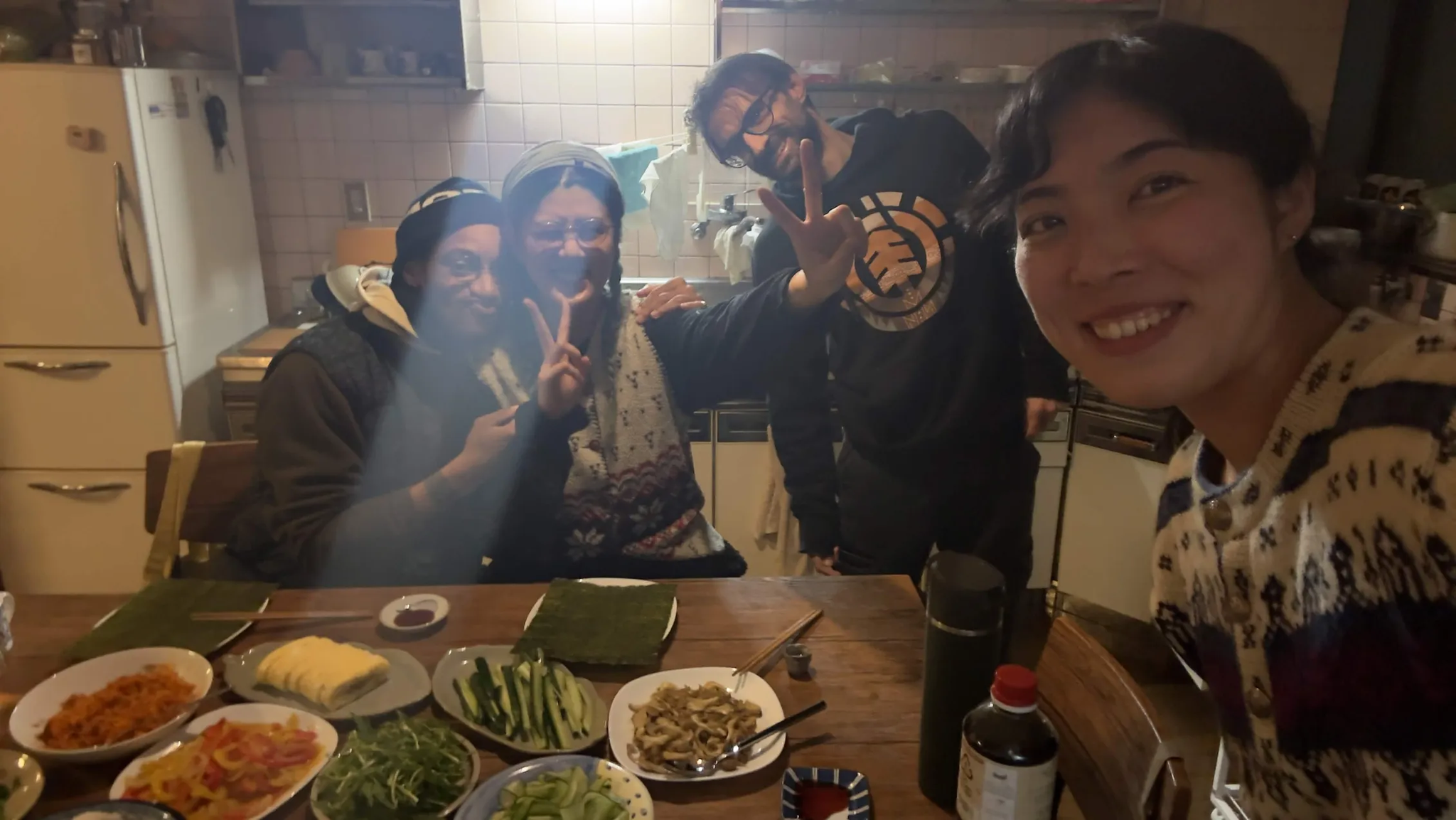
The share house is home to residents with diverse backgrounds, including a student involved in education in Global South and a Kyoto University researcher who is also a musician. It is also a place visited by artists, researchers, students, and people involved in social activities from Japan and abroad, including the friends and networks of the residents.
Through this residence, we expect international creators working with social issues to deepen their research and creative practice through shared living and everyday dialogue. We particularly welcome practices that open up social issues through art and research, with interests in themes such as gender, feminism, care, recovery from trauma, the environment, and education. We also welcome practitioners exploring healthy relationships, dialogue, communication, embodiment, and relational ways of living together.
Local Context and Community
The Toji-in area is close to natural environments such as the Kyoto Trail and Omuro Eighty-eight Sacred Places, while also offering good access to the city centre. A distinctive feature of this residence is that creators can stay within Kyoto’s everyday life while also having access to mountains and greenery.
During the residency, creators can connect with local artists, social activists, researchers, students, entrepreneurs, and others through the residents of the share house and their networks. There is also a possibility of collaborating with the nearby Rakutendo Guesthouse for exhibitions and exchange events.
This residence values sharing social issues in more open and accessible ways, not only through discussion, but also through meals, shared living, fieldwork in nature, and creative activities.
We are looking for creators who
This residence welcomes creators who:
- Are interested in contemporary social issues such as gender, feminism, care, recovery from trauma, the environment, and education
- Work with social issues through art, research, writing, film, music, performance, comedy, or other forms of practice
- Wish to understand natural environments and bodily experience as part of their creative practice or research
- Want to develop their work while building relationships with others through shared living and everyday conversation
- Are interested in creating safe spaces for discussing social issues through meals, dialogue, open dinners, and similar formats
- Can relate flexibly to a diverse range of people, including local residents, students, researchers, artists, and social activists
Facilities and Environment
- Living and exchange environment: Based in a share house in the Toji-in area, creators can interact with residents from diverse backgrounds through everyday conversations and meals.
- Production and research environment: Activities such as research, production, dialogue, and open dinners within the share house may be discussed depending on the proposal.
- Access to natural environments: Fieldwork using the mountains and trails around Kyoto is possible.
- Presentation and exchange opportunities: In collaboration with nearby spaces such as Rakutendo Guesthouse, it may be possible to hold exhibitions, outcome-sharing sessions, exchange events, and related activities.
Support Provided
Selected creators will receive the following support:
- Accommodation during the residency period
- Basic coordination support from Toji-in Residence and the *** in Residence Kyoto team
- Orientation upon arrival, guidance around the neighbourhood, information on local rules, and emergency contacts
- Daily consultation related to life in the share house and activities in the local area
- Support in connecting with local artists, social activists, researchers, students, entrepreneurs, and others
- Coordination support for fieldwork, open dinners, exhibitions, outcome-sharing sessions, exchange events, and related activities
- Travel support: 100,000 JPY
- Event implementation support: 100,000 JPY
- Production and activity support: 100,000 JPY
The production and activity support may be used, depending on the project content, for costs such as printing, materials, consumables, equipment related to exhibition installation, costs related to workshops and open dinners, and honoraria for collaborators. However, any purchase or order must be discussed and confirmed in advance with the organiser or host facility.
Costs Not Covered
Unless otherwise stated, the following costs are not included in the support:
- Food, daily necessities, and other everyday living expenses
- Personal transportation costs within Japan
- Visa application fees
- Overseas travel insurance, health insurance, and other insurance fees
- Additional accommodation outside the official residency period
- Large-scale production costs that have not been agreed upon in advance
- Personal shopping or expenses not directly related to the project
Selected creators are responsible for arranging their own overseas travel insurance and health insurance for the duration of their stay.
Possible activities during the residency
During the residency, creators may carry out activities according to their proposal, including research, fieldwork, production, writing, filmmaking, music production, performance, talks, workshops, open dinners, exhibitions, and ZINE-making. Possible activities might include fieldwork using the mountains and trails around Kyoto, bodily research in natural environments, creative work based on dialogue and shared living in the share house, or open dinners around social issues.
Towards the end of the residency, creators may also hold exhibitions, outcome-sharing sessions, exchange events, or similar activities in collaboration with nearby spaces such as Rakutendo Guesthouse.
The specific timing and dates will be adjusted according to the creator’s proposal and the operating schedule of Toji-in Residence. During the residency, the following flow is expected:
- Week 1: Adjusting to the living environment in Kyoto, getting to know the share house residents, and aligning the research theme
- Week 2: Fieldwork in the mountains and natural environments around Kyoto, and experiencing bodily approaches to research
- Week 3: Full development of research and production activities, and holding an open dinner with local residents and students
- Week 4: Bringing together the residency outcomes and sharing them through an exhibition, outcome-sharing session, ZINE production, or other format
The content of the activities and the format of the outcomes will be flexibly adjusted according to the creator’s practice.
Notes for Applicants
This residence is not a programme based on the assumption of a quiet private studio or a completely independent production environment. It is based on shared living in a share house, and the residency is expected to deepen research and creative practice through everyday conversations, meals, and activities in the local area.
During the stay, creators will live under the same roof as the organisers and residents, creating an environment where the distance between people is close. Therefore, this residence is more suitable for creators who can develop their activities while building relationships with others through shared living and dialogue, rather than those who prioritise working alone in a highly concentrated environment.
In addition, this residence may involve themes related to personal experiences and social issues. Residents are expected to engage in dialogue with people from different backgrounds and experiences while respecting each other’s safety and privacy.
Photos of the spaces
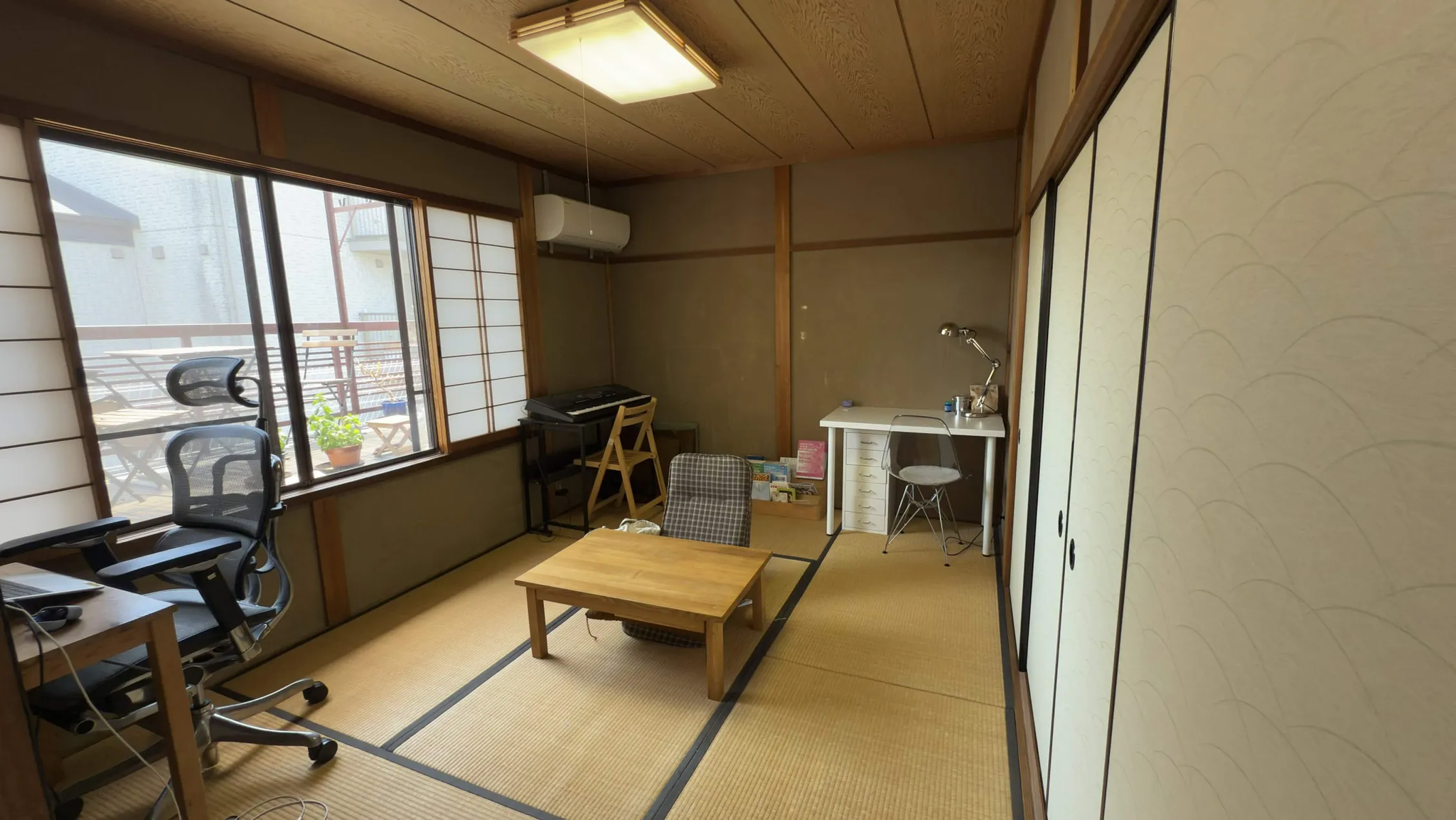
work space
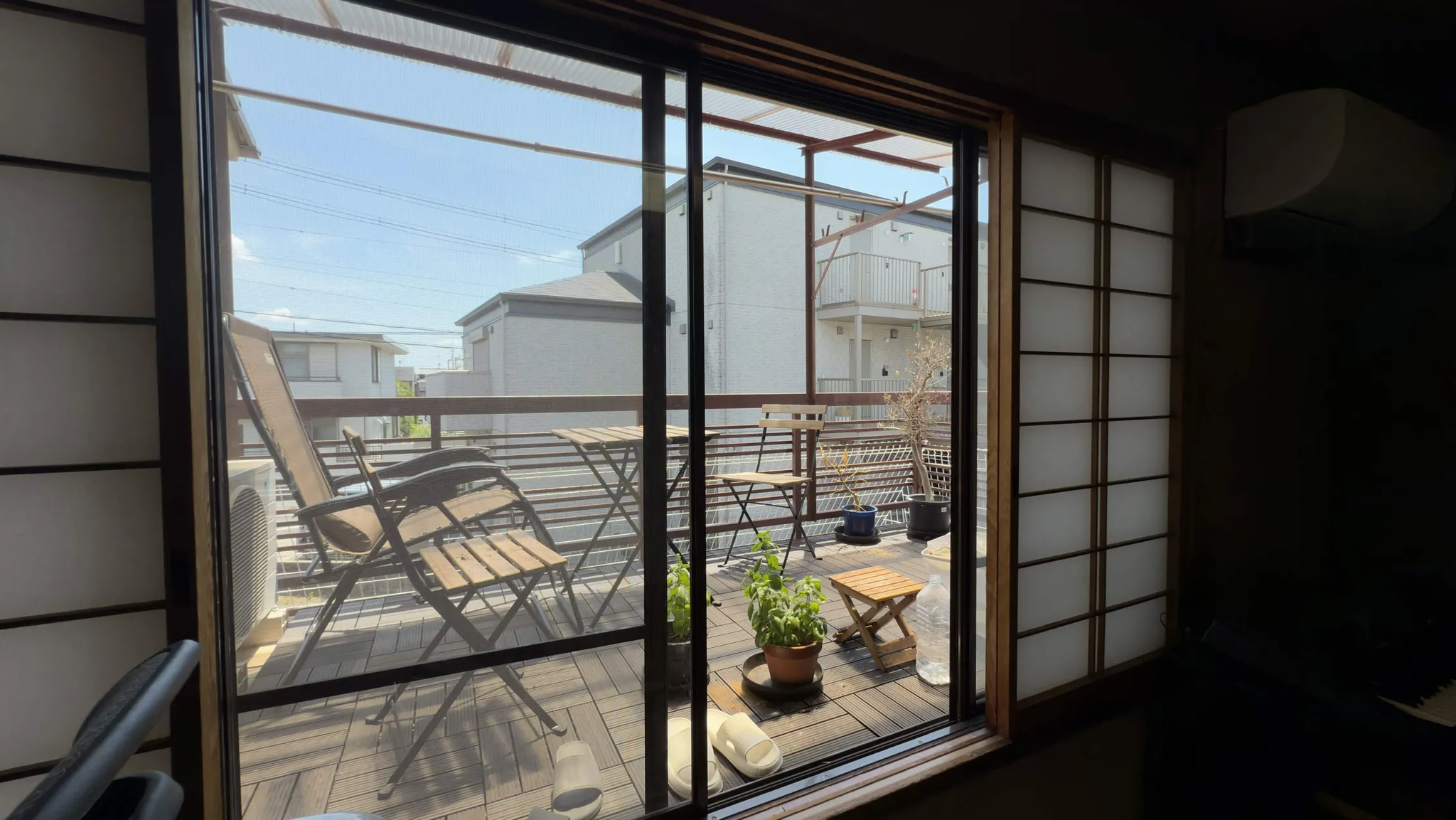
terrace
kitchen, dining room, living room
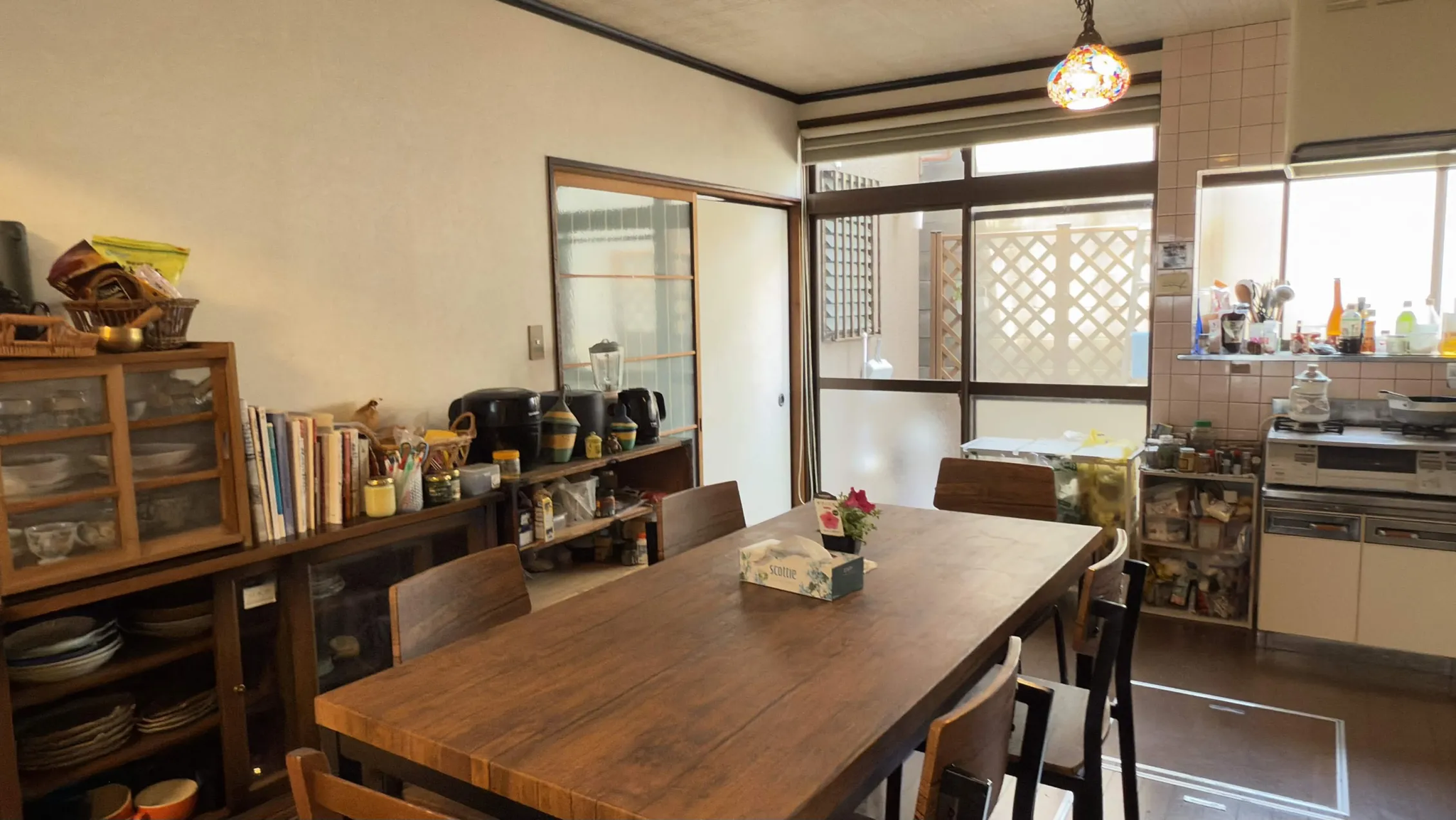
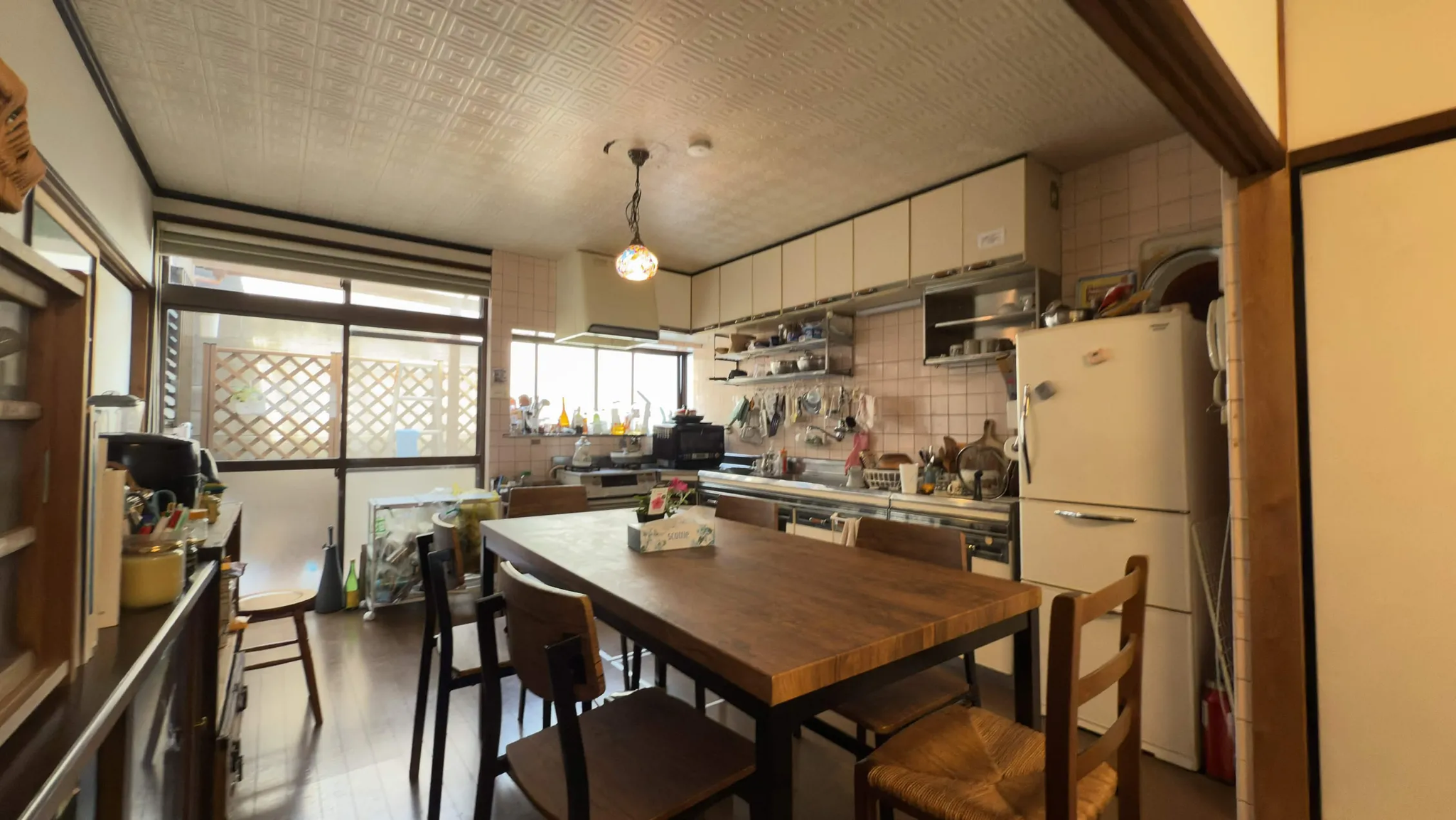
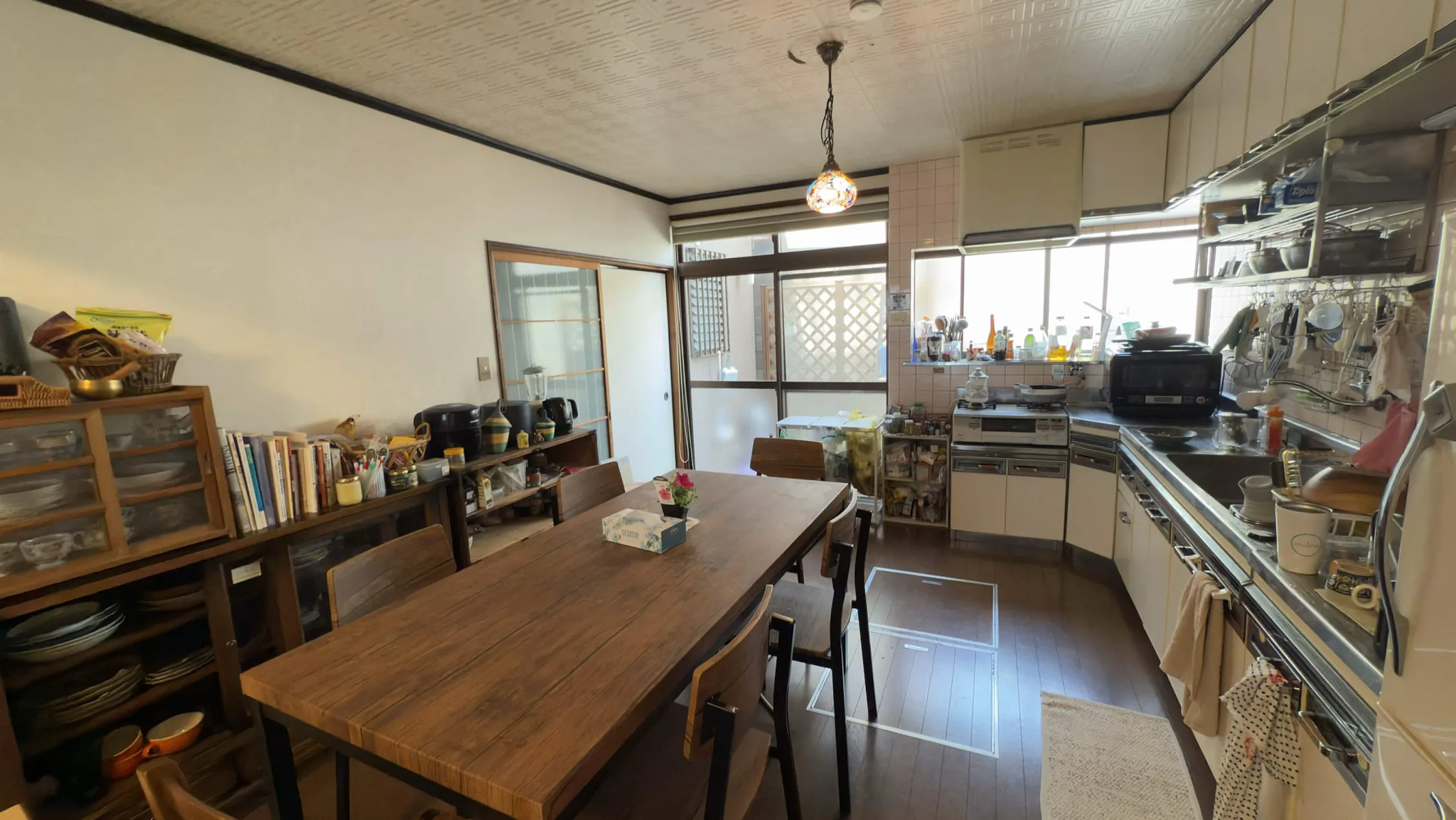
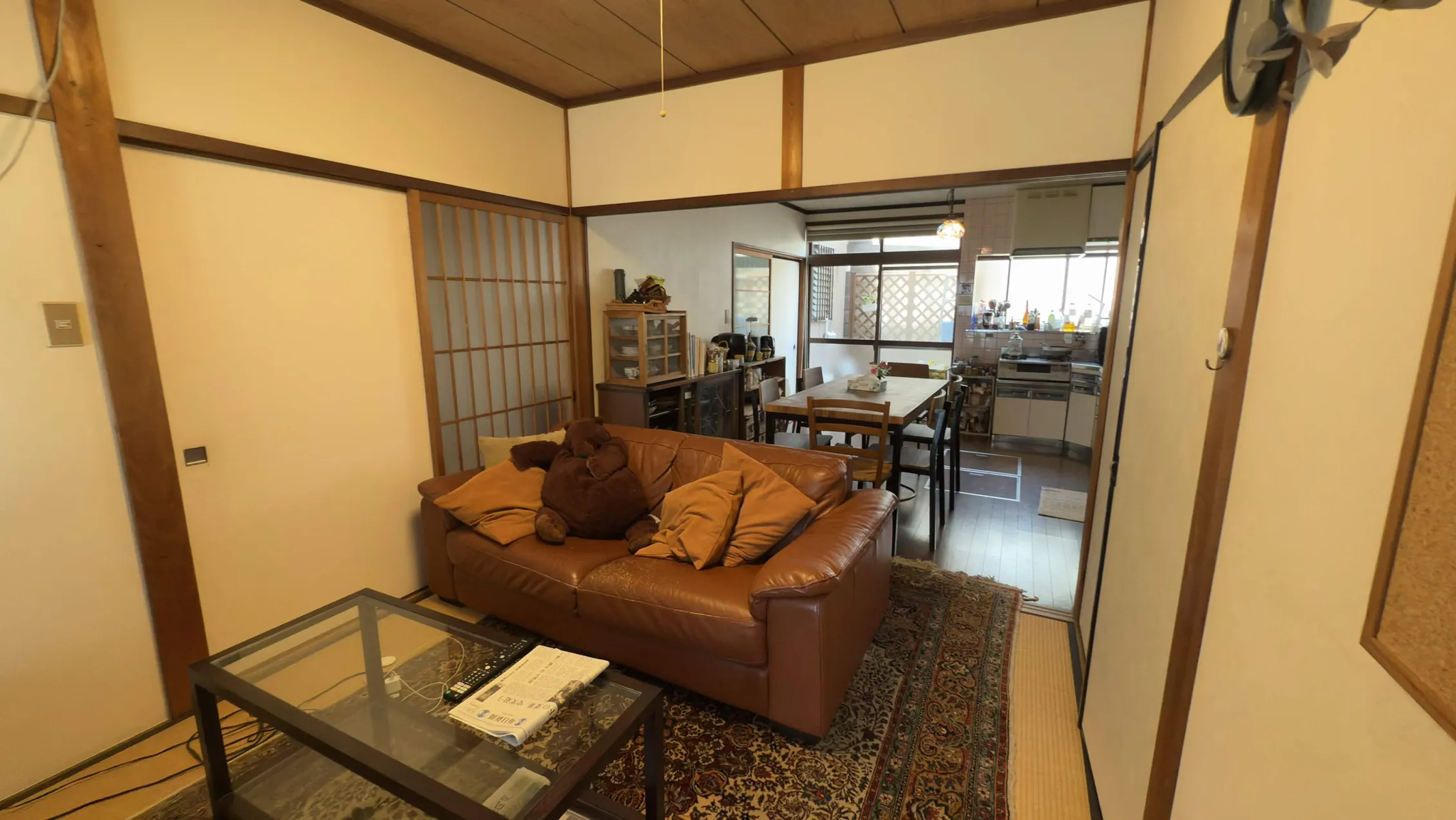
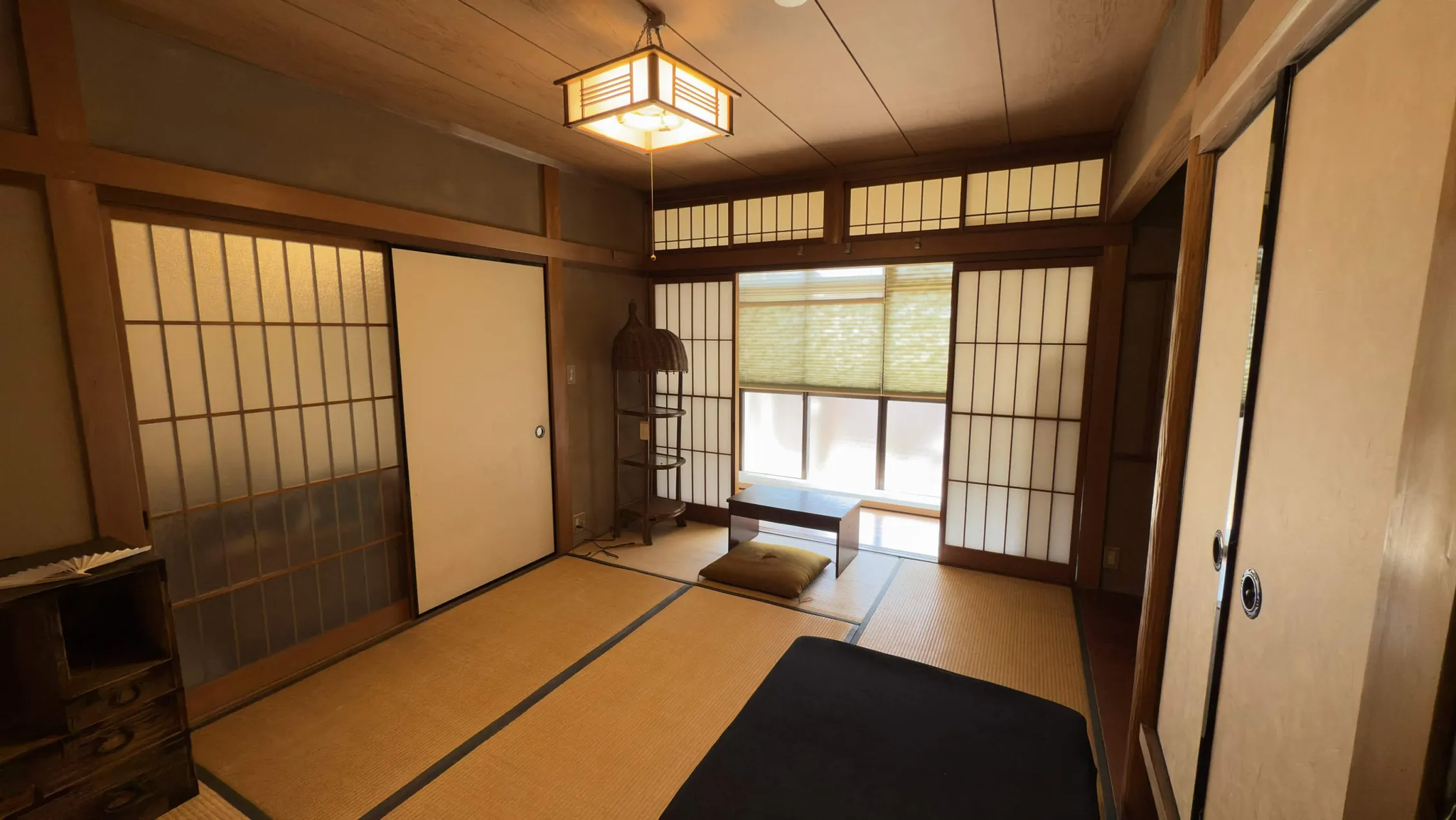
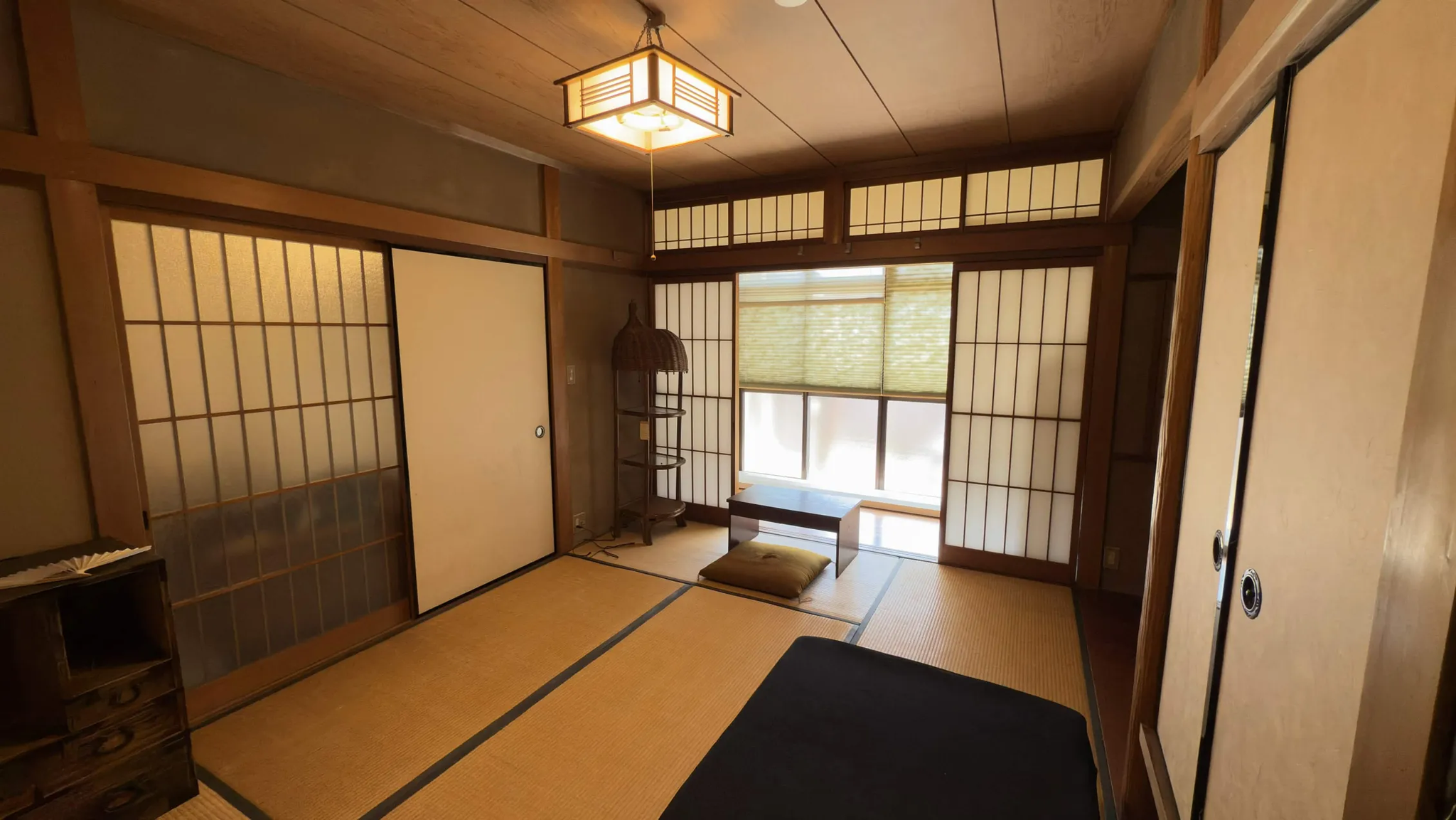
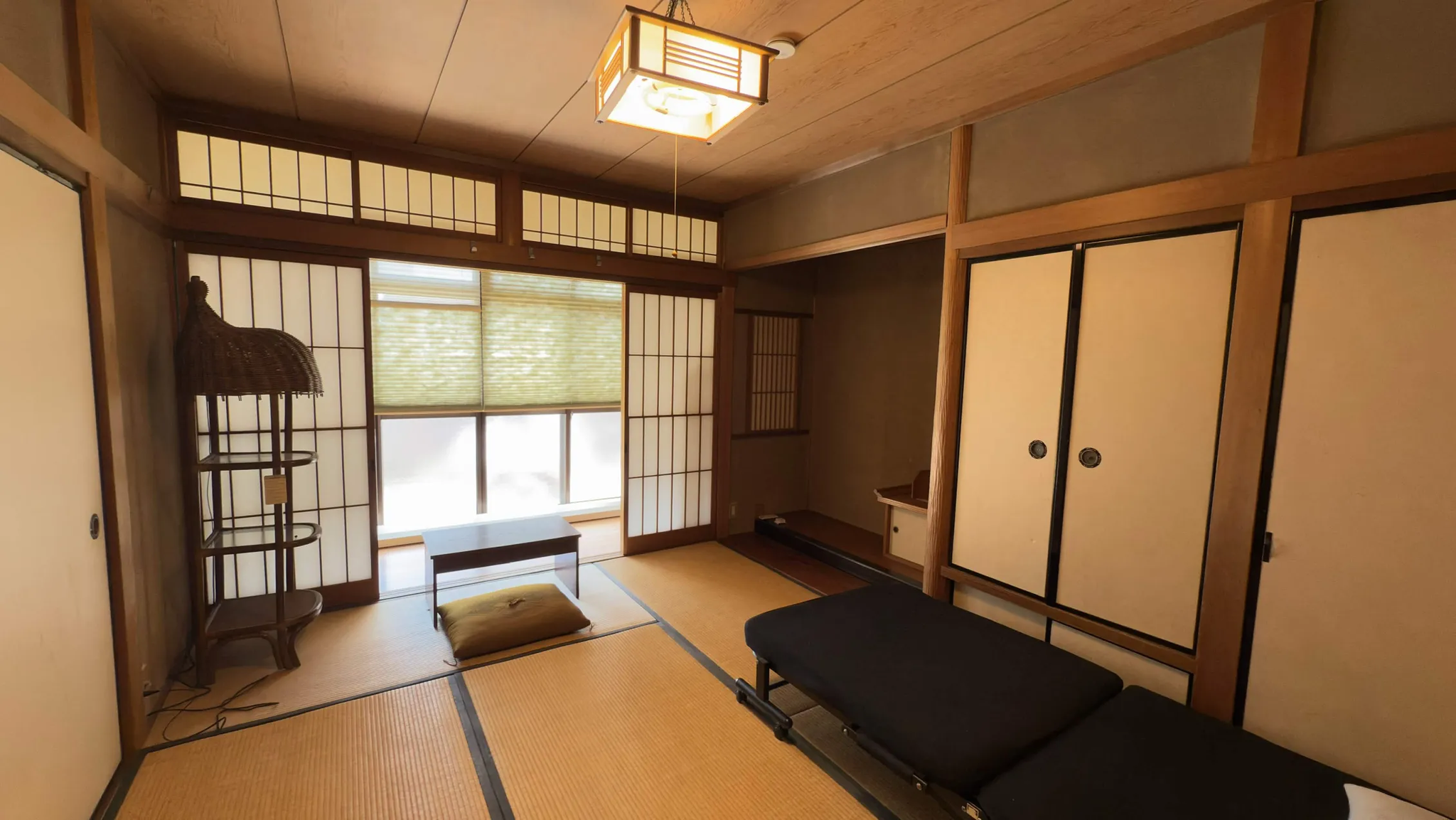
Residency room
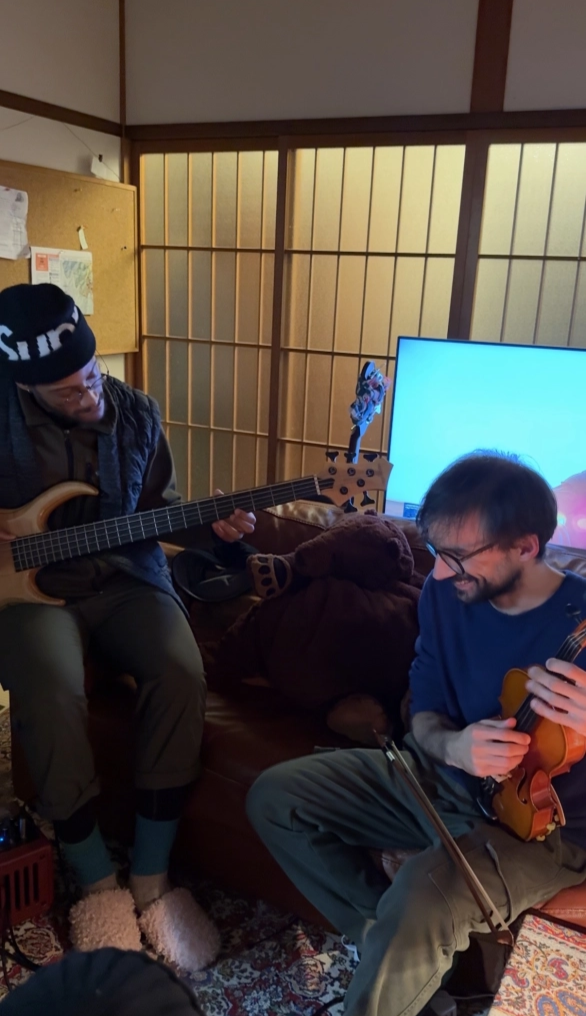
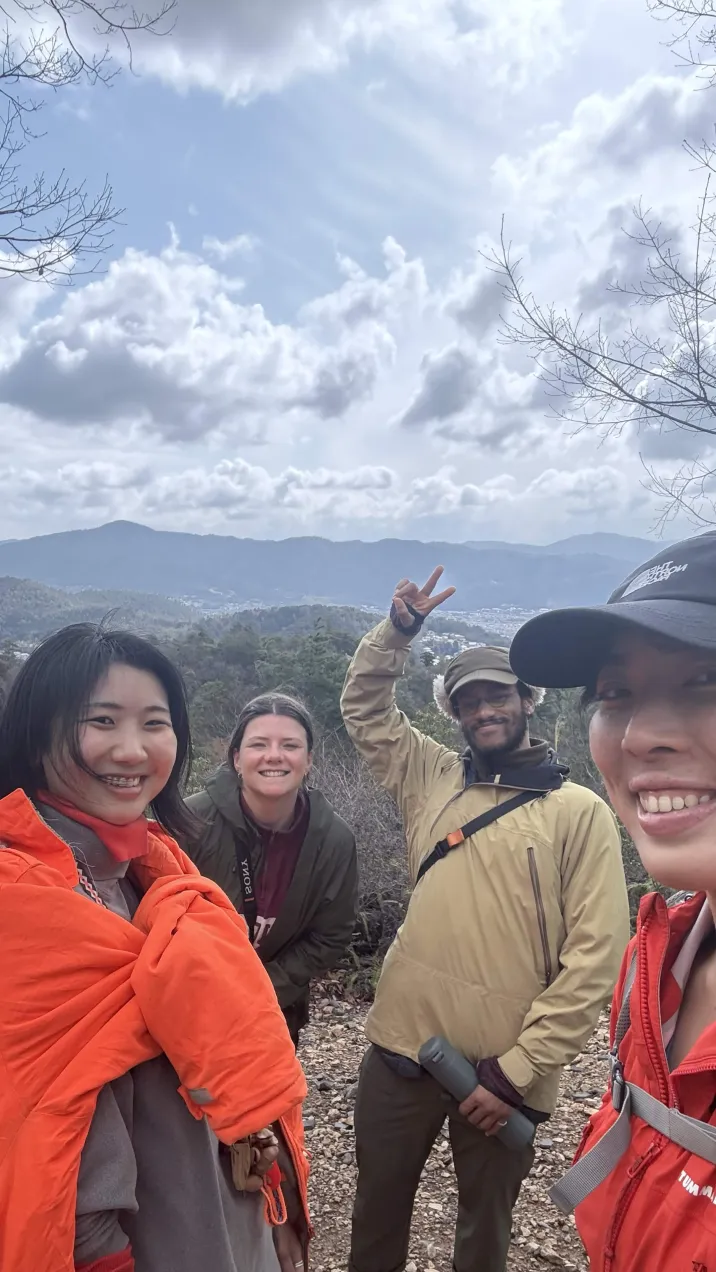
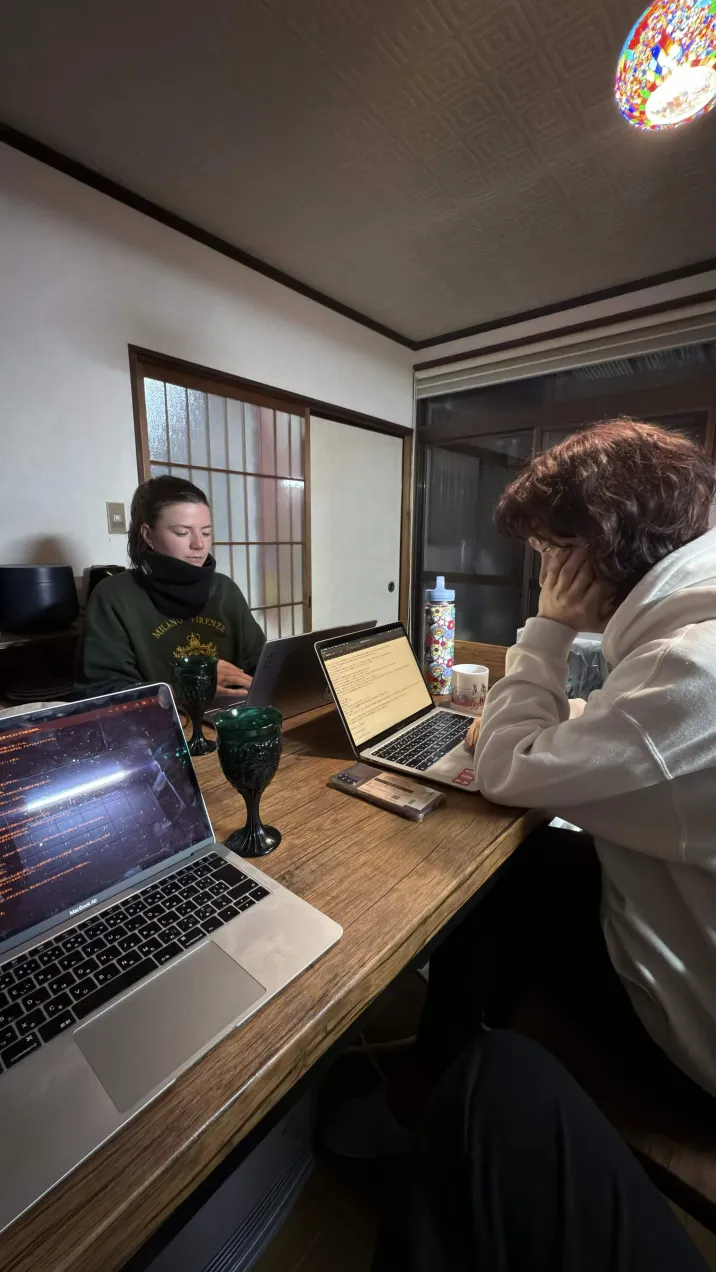
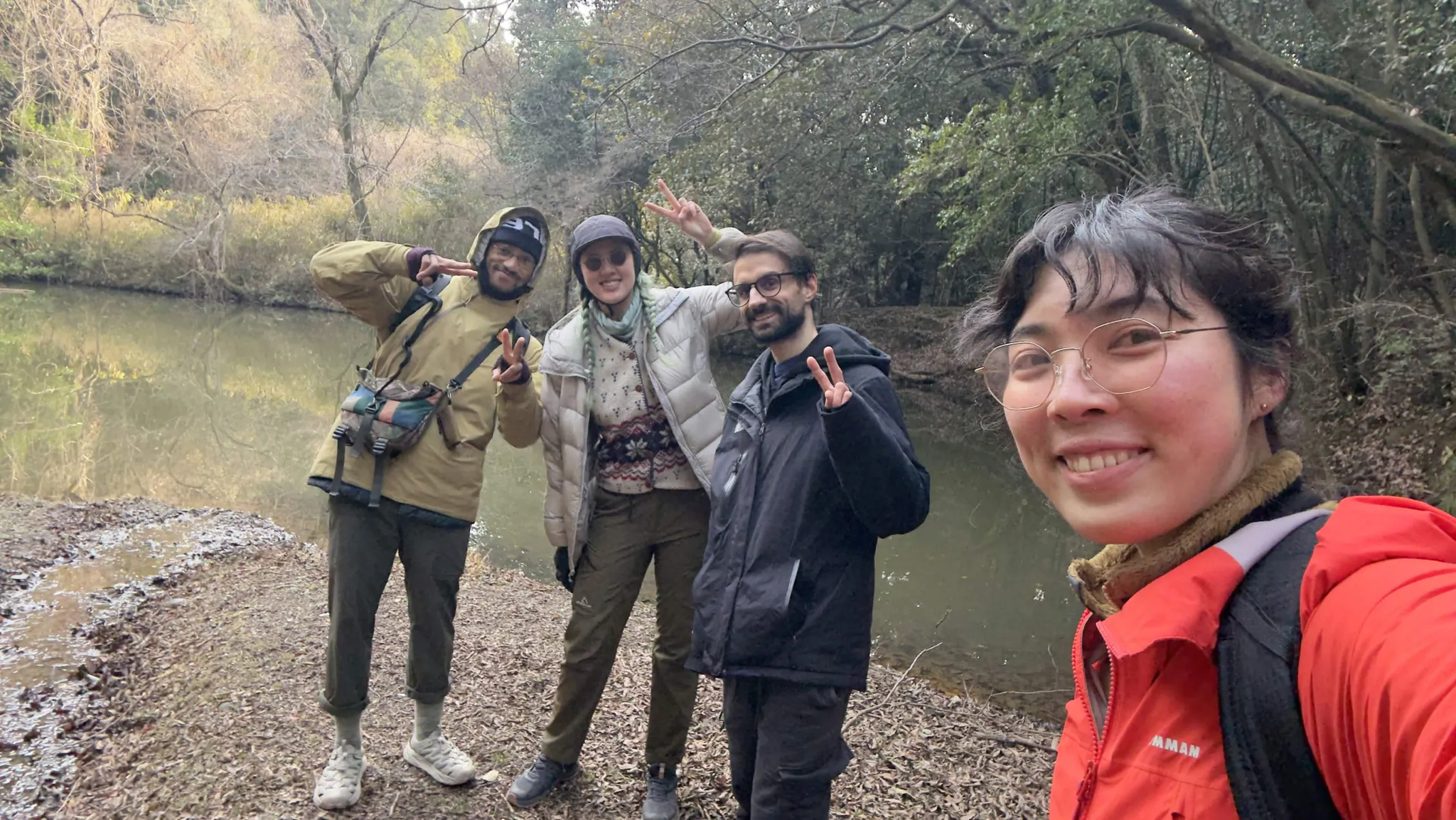
previous activities