🫧
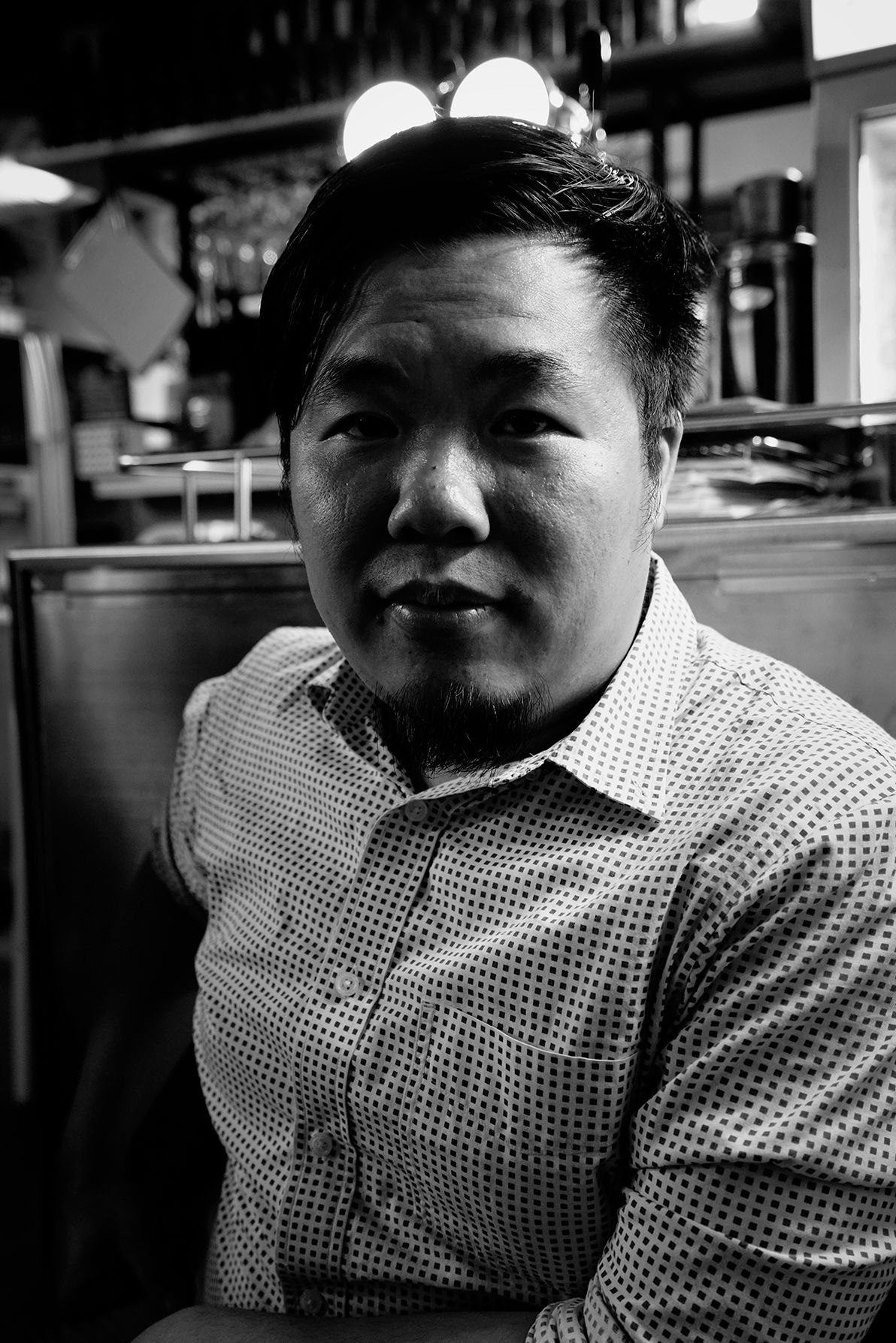
André Chan
略歴 / Short Biography
André Chan(アンドレ・チャン)は、香港を拠点に活動するキュレーターであり、Arts Collectiveの共同設立者です。現代都市をめぐる課題に対して、アーティストがどのように関わるのかを主な関心として活動しています。現代美術とさまざまな文化的実践が交差する領域を横断しながら、展覧会やプロジェクトを企画してきました。
近年は、アーティストによるビデオゲーム制作や、現代のテクノロジー社会が内包する矛盾についてリサーチを行っています。現在は、20世紀転換期の移住を手がかりに、世界各地へ広がった広東料理の歴史を探るプロジェクトに取り組んでいます。
上海・Power Station of Artの「Emerging Curators Project」(2018)や、Para Siteの「Emerging Curator Program」などに選出。香港、東京、台中、上海、ソウル、光州、シカゴ、バンクーバーなど、各地で展覧会やパフォーマンスを企画してきました。2021年にはArt CentralのCuratorial Directorを務め、2024年にはArt Collaboration Kyotoのパブリックプログラムをキュレーションしました。
André Chan is a Hong Kong-based curator and co-founder of Arts Collective. His curatorial practice focuses on artists’ engagement with contemporary urban issues. His practice resides in the intersection of contemporary art and other cultural influences. Recently, his research has explored artist-made video games and the fallacies of the modern tech world; his current project examines global Cantonese food history through the lens of migration at the turn of the 20th century. Chan’s work has been recognized by prestigious programs, including the Power Station of Art’s Emerging Curators Project (2018) in Shanghai and Para Site’s Emerging Curator program. He has curated exhibitions and performances internationally—spanning Hong Kong, Tokyo, Taichung, Shanghai, Seoul, Gwangju, Chicago, and Vancouver—and served as the Curatorial Director for Art Central 2021 and curated the public programme at the Art Collaboration Kyoto 2024.
活動について / About you
日常生活のなかにある文化的な側面と、それらが現代美術とどのように交差するのかを探ることを、自身のキュレーション実践の軸としています。
社会的なテーマやビデオゲーム、食文化まで、幅広い題材をアートの視点から捉え直し、リサーチやプロジェクトへと展開してきました。自身が料理すること、食べることを愛していることも背景に、近年は食を単なる日常的な営みとしてではなく、文化や歴史を映し出すもの、そして創造的な表現の媒体として捉えながら研究を続けています。
I am a curator dedicated to exploring the cultural dimensions of everyday life and their intersection with contemporary art. From social issues and video games to culinary traditions, my work examines a myriad of topics through an artistic lens. Driven by a deep personal passion for both cooking and eating, I study food as a rich cultural concept and a medium for creative expression.
滞在中の活動予定 / Your plan during the residency
今回のレジデンスでは、広東料理の伝統と京都の食文化とのあいだにある、歴史的・文化的・素材的なつながりを探る予定です。アーカイブリサーチ、料理の実践、地域の人々との交流を組み合わせながら、主に二つの方向からリサーチを進めます。
一つは、関西において中華料理がどのように受け入れられ、日本独自の「中華料理(Chuka ryori)」として発展してきたのかをたどることです。もう一つは、豆腐や湯葉をはじめとする京都の食材と、歴史的な広東料理のレシピとの新たな組み合わせを試みることです。
滞在中は京都の中華料理店を訪ね、とりわけ1920年代にルーツをもつとされる、京都独自の中華料理の系譜「鳳舞系(Hōmai-kei)」に注目する予定です。広東料理を背景にもつ料理人たちが、その味わいや調理技法、メニューを京都の食文化や嗜好に合わせてどのように変化させ、独自のスタイルを形づくっていったのかを探っていきます。
また、京都の食材を使いながら、広東料理のレシピや、そこから派生するさまざまな料理を実際に試作することも計画しています。こうしたリサーチや料理の実践を通して得た発見を、レジデンスを通して出会うクリエイターや地域の人々と共有していきたいと考えています。
During this residency, I intend to explore the historical, cultural, and material intersections between Cantonese culinary traditions and the local foodways of Kyoto. My project operates at the confluence of archival research, culinary experimentation, and public engagement. Specifically, my research will focus on two distinct yet interconnected tracks: the localized evolution of early Chinese-Japanese cuisine (Chuka ryori) in the Kansai region, and the integration of Kyoto’s celebrated agricultural products like tofu and yuba into historical Cantonese recipes.
I will be visiting Chinese restaurants in Kyoto, with a specific focus on the Hōmai-kei (鳳舞系) establishments—a distinct lineage of Japanese-Chinese cuisine tracing its origins back to the 1920s. I am deeply interested in how these pioneering chefs adapted traditional Cantonese flavor profiles, techniques, and menus to suit Kyoto's delicate local palate, ultimately forging a unique, localized branch of Chinese-Japanese gastronomy. During the residency, I also plan to experiment with local ingredients, testing both Cantonese and alternative recipes. Ultimately, I hope to share these insights and discoveries with the creative network fostered by the program.