Report on a Stay in Indonesia An Overview of the Art Scenes in Yogyakarta, Solo, and Jakarta
The Japanese version of this Article can be read from here!
This year, with the aim of expanding and deepening our networks in Kyoto and abroad, “*** in Residence Kyoto” collaborated with the Kyoto Art Center to launch a program sending Kyoto-based creators to internatinoal artist residencies.
Indonesia was selected as the destination from among the Kyoto Art Center’s network. Studio Plesungan, run by Melati Suryodarmo—a participating artist in KYOTO EXPERIMENT 2024—served as the host institution. Kenta Masukawa, selected through an open call and screening process, was dispatched for a one-month residency from December 2025 to January 2026. In addition to the artist dispatch, an art coordinator involved in the Kyoto Art Center’s residency programs was also sent to Indonesia to gain insight into the contemporary art scene across the country for approximately one week.
In recent years, Indonesia has become known as a hub where creators from diverse fields gather to pursue independent and innovative activities. There are numerous examples, such as Studio Plesungan—the host for this program—where artists operate their own residency facilities, and the number of Japanese artists establishing bases in Indonesia continues to rise.
What kind of inspiration did the creators gain from Indonesia, a place where active exchanges among creators are generating a major movement? And what kind of reference points do the activities of these creators in Indonesia provide? We present a report from the art coordinator who actually stayed in Indonesia.
目次
Report on a Stay in Indonesia
An Overview of the Art Scenes in Yogyakarta, Solo, and JakartaYogyakartaAce House CollectivesumsumTirtodipuran Link A, BRuang MES 56Cemeti – Institute for Art and SocietyResidency at Studio Plesungan JakartaSalihara art centerIka VantianiMUSEUM MACANNational Gallery of IndonesiaAre collectives about marketing? Or branding?Visiting the three cities of Yogyakarta, Surakarta, and Jakarta
Report on a Stay in Indonesia An Overview of the Art Scenes in Yogyakarta, Solo, and Jakarta
June Teraoka (Art Coordinator, Kyoto Art Center)
The “Artist-in-Residence Program 2025/2026 Studio Plesungan” was implemented through a collaboration between the “*** in Residence Kyoto” program, organized by the City of Kyoto, and the Kyoto Art Center. Kenta Masukawa, a Kyoto-based choreographer and dancer selected through an open call, was dispatched to Studio Plesungan, located in central Java, Indonesia, for one month from December 2025 to January 2026.
In conjunction with Masukawa’s presentation of his results on January 10, I stayed in Indonesia for eight days from January 7 to 14, visiting art spaces, museums, and artists’ studios in the three cities of Yogyakarta, Solo, and Jakarta.
Yogyakarta
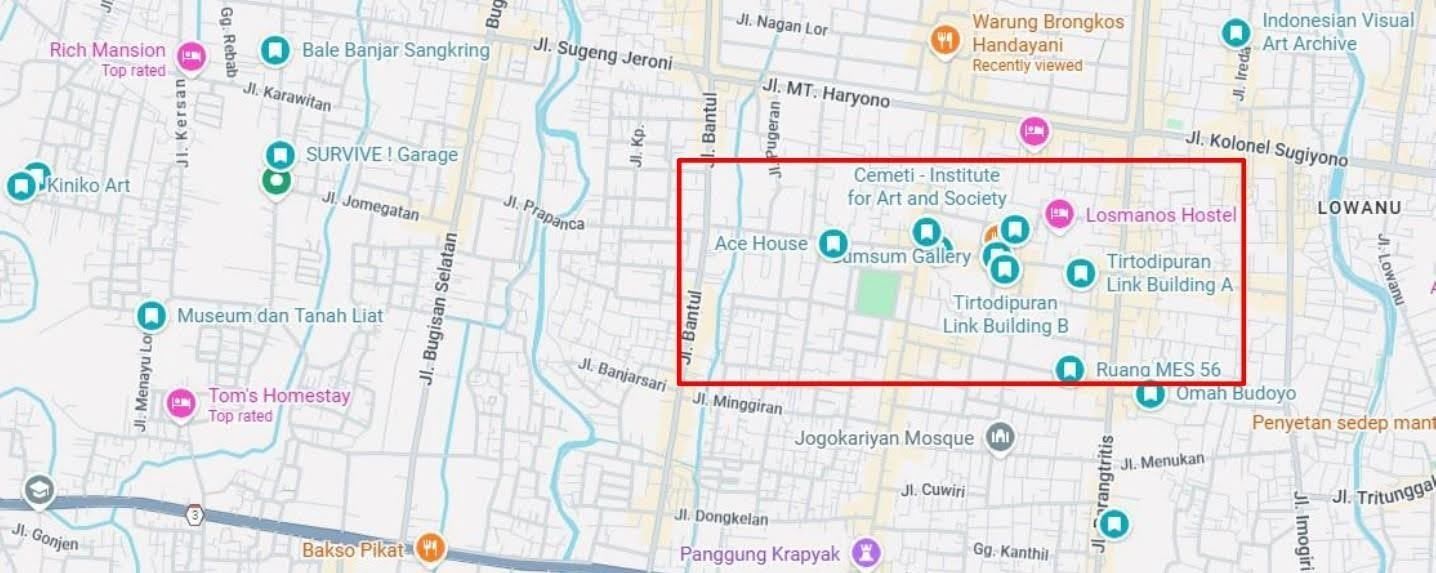
Many art spaces are concentrated around Tirtodipuran Street in Yogyakarta, allowing visitors to move between them on foot. On this occasion, I visited the spaces marked within the red box on the map below. I got the impression that many visual artists are active in the area. Although I was unable to visit them this time, there are several spaces in this vicinity that have been opened by Japanese artists who have rented properties there; these spaces serve as hubs for international artist exchange and as artist residencies.
Ace House Collective
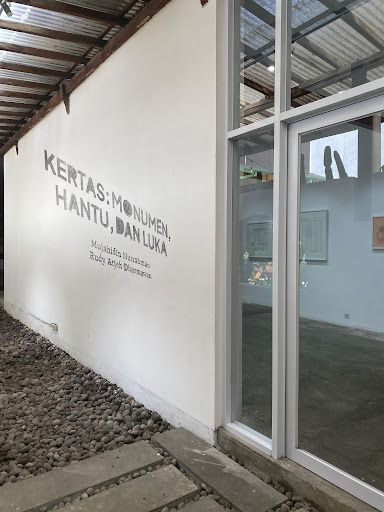
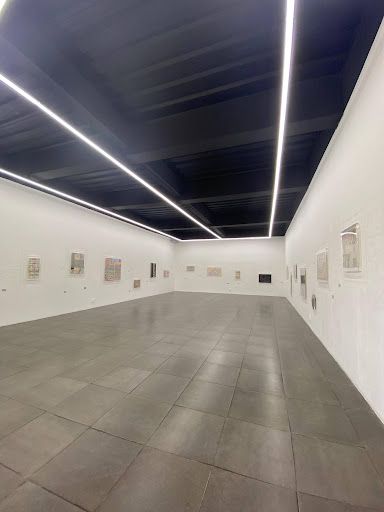
Founded in 2011, this artist collective operates a space serving as an experimental art laboratory in collaboration with the local community and its networks. Since 2025, in partnership with Equator Art Projects, the collective has been based at Langgeng Art Space, where it continues to further develop its curatorial initiatives. At the time of my visit, an exhibition titled “The Broken White Project” was on view. This program, now in its 30th edition, was launched by Ace House Collective in collaboration with its support network to showcase selected artists. Works by two Indonesia-based artists, Mujahidin Nurrahman and Rudy Atjeh Dharmawan (b. 1982), were on display.
sumsum
Opened in May 2024, this gallery space is dedicated to visual art. At the time of my visit, a solo exhibition by Agnes Christina was on view. The space also features an art shop selling zines and merchandise by artists based primarily in Indonesia.
Tirtodipuran Link A, B
A space operated by Srisasanti Syndicate.Founded in 1994, Srisasanti Syndicate consists of the galleries Srisasanti Gallery, kohesi Initiatives, and STEM Projects. Building A is a two-story building entirely dedicated to gallery space, featuring two large exhibition areas and two smaller ones, with installations also displayed in the spaces between them. Similar to the TERRADA ART COMPLEX in Tennozu, this is a gallery complex where art galleries are clustered together.
In Building A, separate exhibitions were held by each of the three galleries mentioned above. Building B was newly established in 2023 and features a restaurant on the same premises. Both gallery spaces had high ceilings and a spacious, luxurious design.
Ruang MES 56
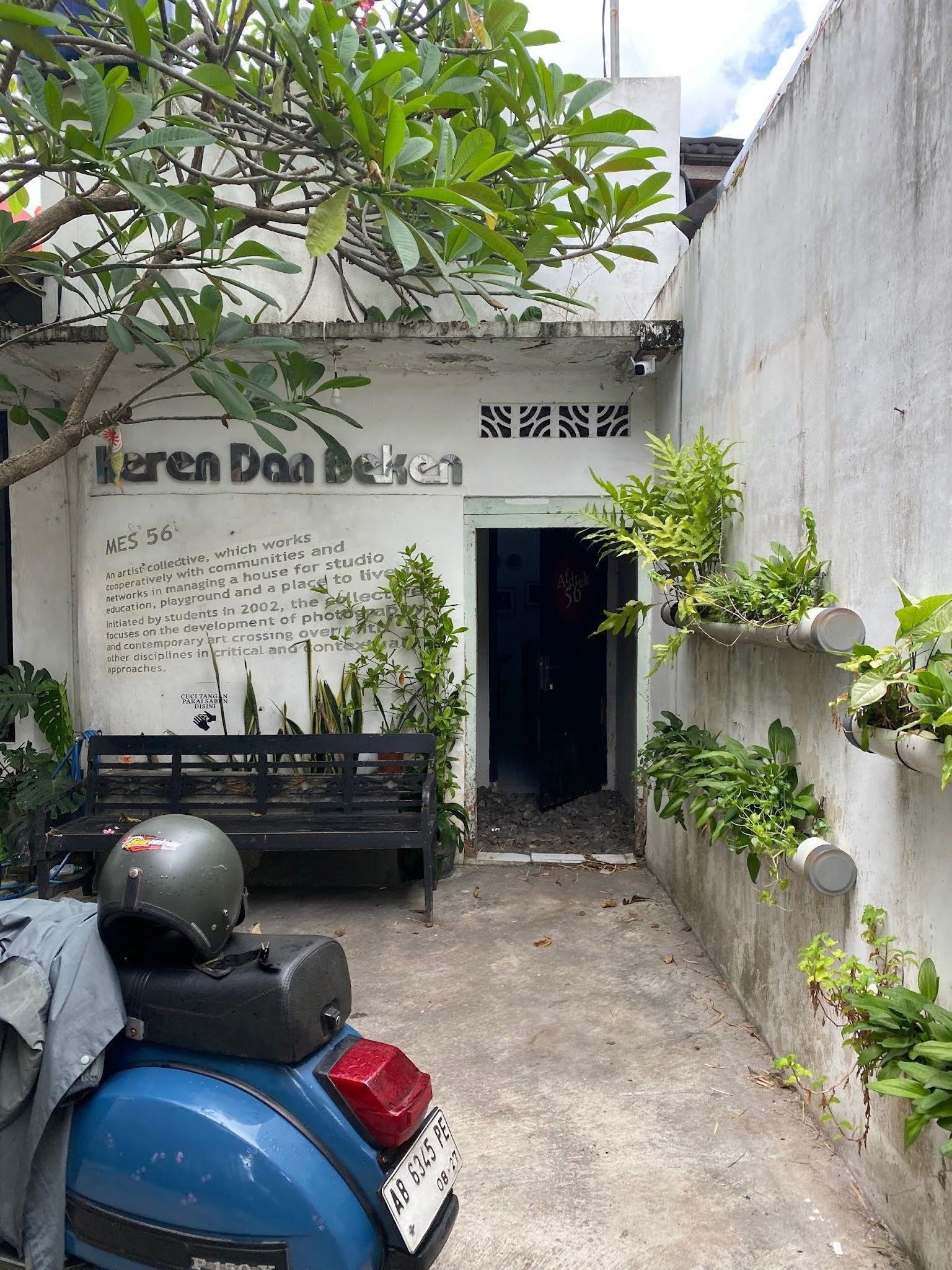
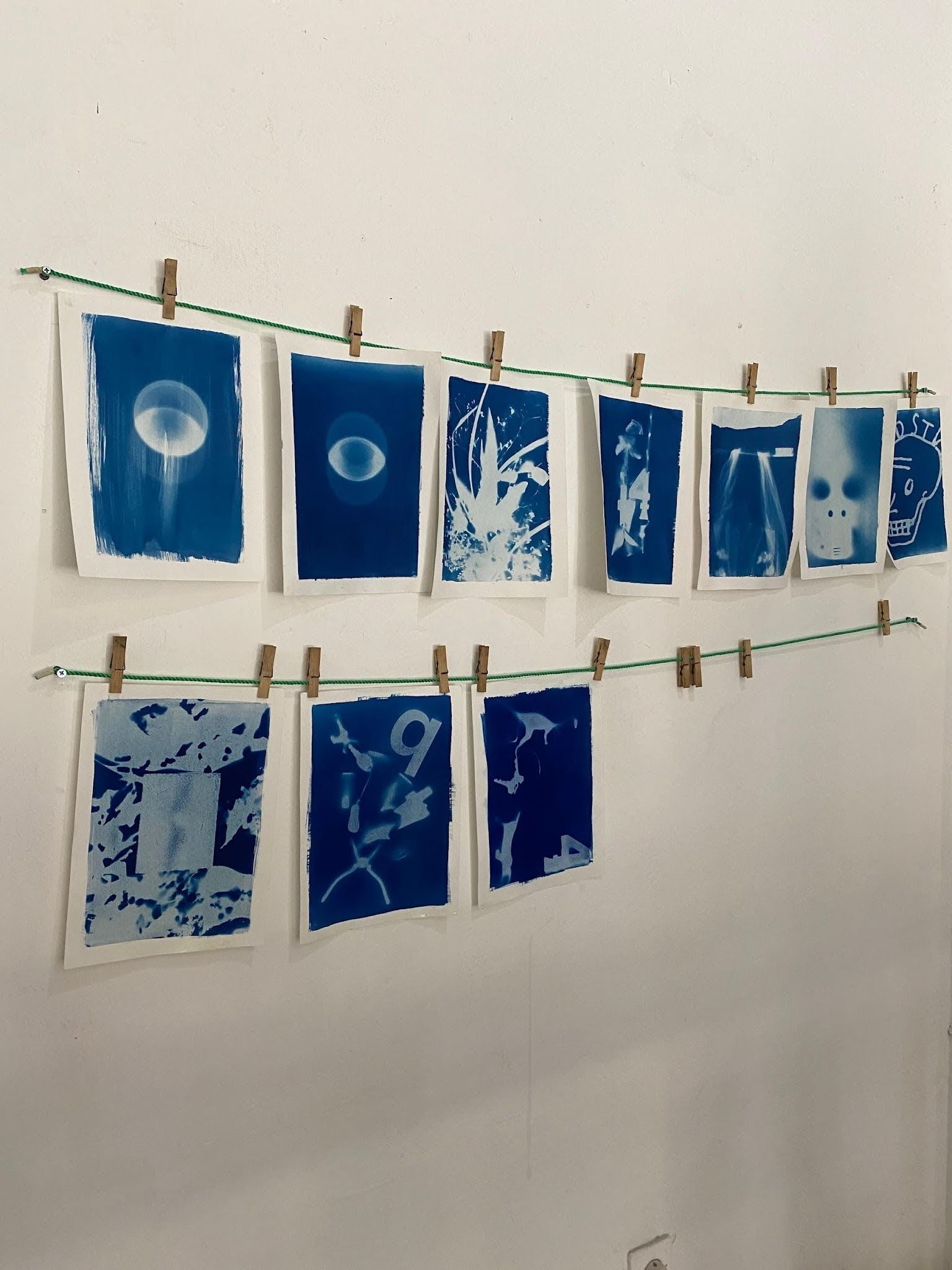
This is an artist collective primarily composed of artists who work with photography as their medium, and it operates its own art space. Co-director Rangga Purbaya told us that the collective was founded in 1994 and has moved to several different locations over the years before settling in its current space. During my visit, a cyanotype workshop led by one of the artists was taking place, and I was able to participate. That evening, I was invited to a small party. More people had gathered than during my visit that afternoon, and we enjoyed drinks, conversation, and socializing together. I also met a Japanese artist who rents a space near MES 56 and uses it as a studio. With an atmosphere of welcoming all who come and letting go of those who leave—simply enjoying the encounters of the moment—I felt the strength of having a space where people can casually gather.
Cemeti – Institute for Art and Society
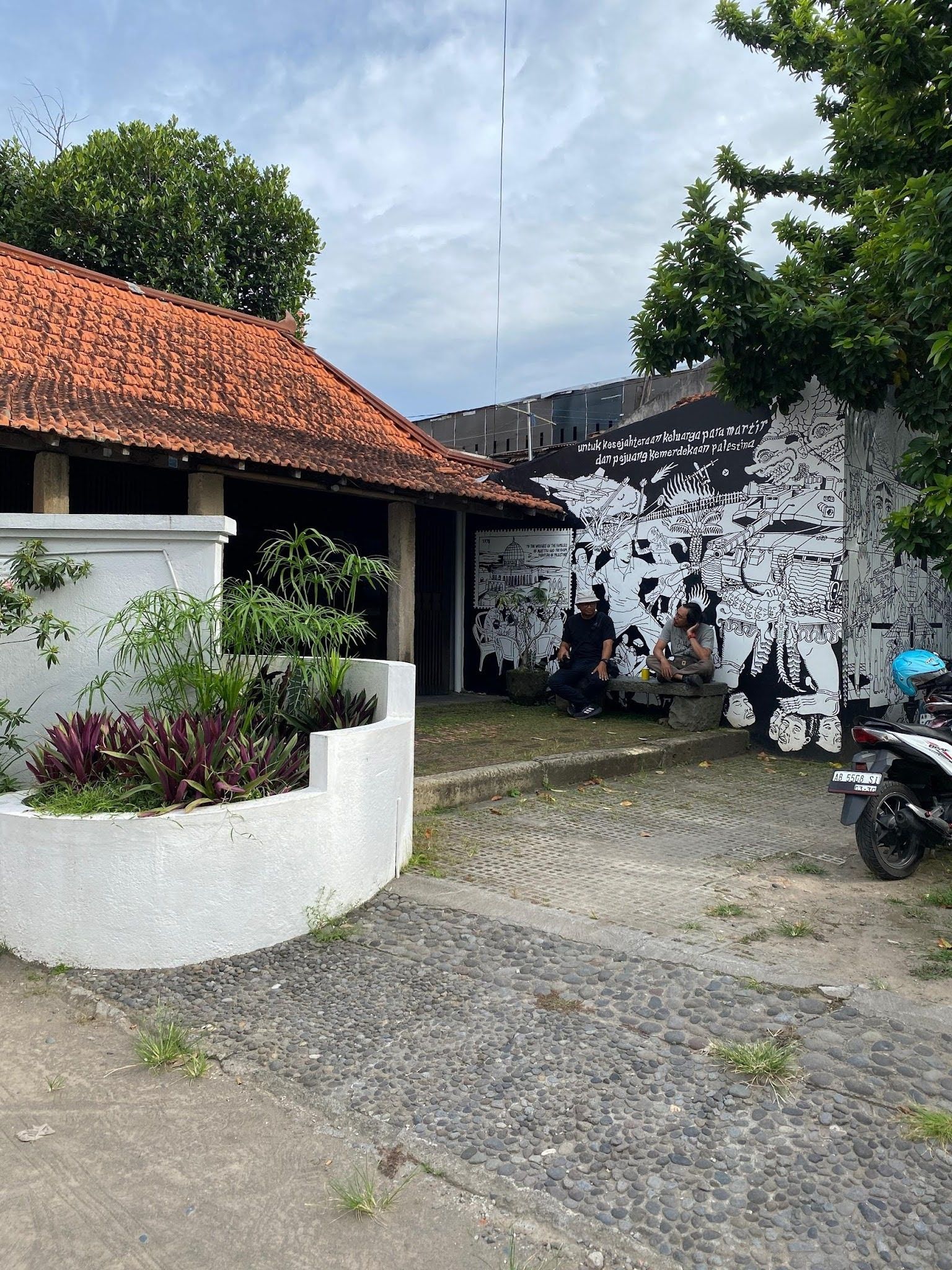
Founded in 1988, it is the oldest active art space in Yogyakarta, hosting exhibitions, workshops, talks, publications, long-term research projects, and a three-month artist-in-residence program.
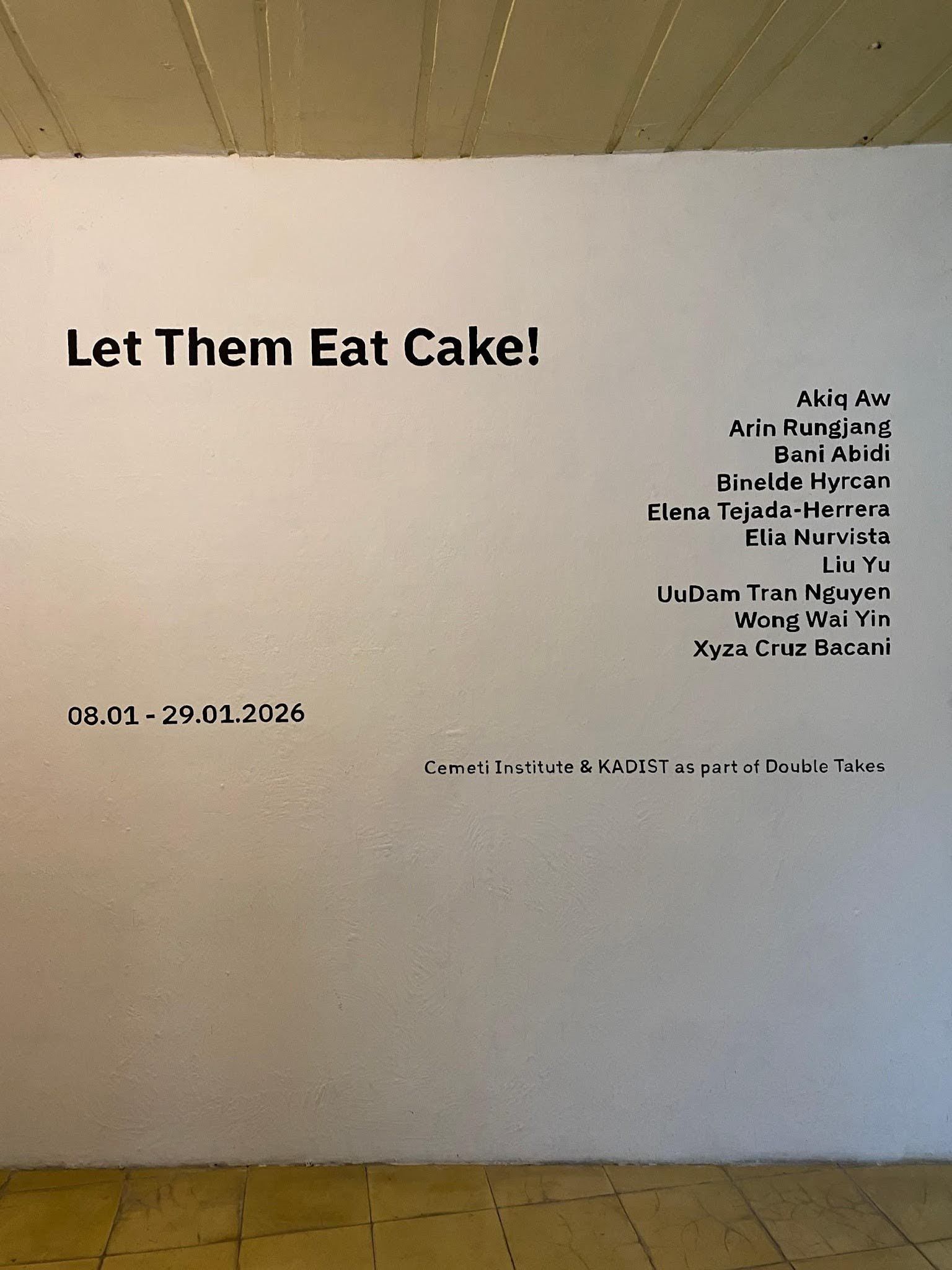
During my visit, the opening of “Let Them Eat Cake,” a joint exhibition with KADIST—a nonprofit foundation based in San Francisco and Paris—was taking place. Many people attended, making for a lively opening.
Director and Chief Curator Dito Yuwono gave me a tour of the gallery space as well as the two-room residency space. He explained that the artist-in-residence program, held twice a year, accepts one group of Indonesian artists and one or two groups of international artists.
A common feature of most of the venues I visited in Yogyakarta was that scanning the QR codes on the exhibition walls provided access to digital catalogs containing overviews of the works and artists. While this is likely intended to facilitate sales, it also serves an archival purpose, which is something worth emulating.
Residency at Studio Plesungan
The second destination was Solo.
To “Artist-in-Residence Program 2025/2026: Studio Plesungan,” we sent Kenta Masukawa, a choreographer and dancer based in Kyoto. Studio Plesungan is a studio run by Melati Suryodarmo, featuring rehearsal spaces and several living quarters. It invites artists from both Indonesia and abroad to conduct workshops and other programs for the local younger generation of artists. During his one-month stay, Masukawa conducted research, workshops, performances, and talk events. Although the schedule was undoubtedly packed, I believe it was a meaningful stay. Masukawa continues to create works that combine cooking recipes with dance notation to choreograph movements. During his research, he reportedly learned to cook Indonesian cuisine in the homes of local residents and toured a tofu factory. In the workshop, he shared his practice of moving the body through choreography based on “words.” The workshop reportedly featured explanations in English interspersed with Indonesian translations.
Participants wrote down words in their native Indonesian that came to mind from “Phrases for Choreography”—originally written by Masukawa in Japanese and translated into English—and then moved their bodies based on those words. According to Masukawa, because the speed at which the meaning of words reaches the body differs between Japanese and English, his choreography is fundamentally based on his native language, Japanese.
At the same time, he noted that the expressions and words that come to mind when conceiving choreography change at the word level depending on his environment and the climate. Specific examples include images such as “hearing the croaking of frogs on rain-soaked grass,” seen in the opening scene where Masukawa appears on stage, as well as words like “coconut milk,” “rainy season,” and “downpour.”
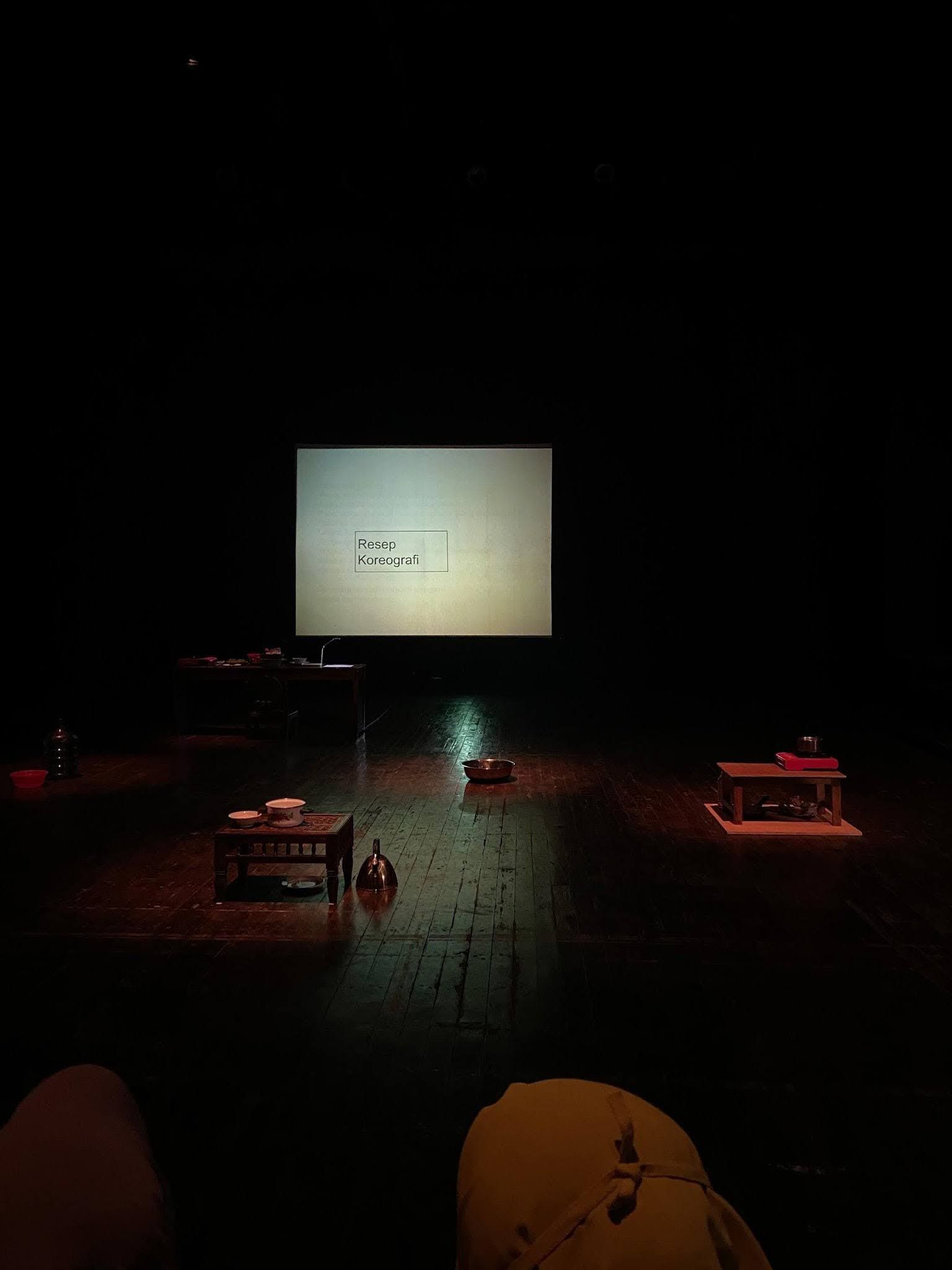
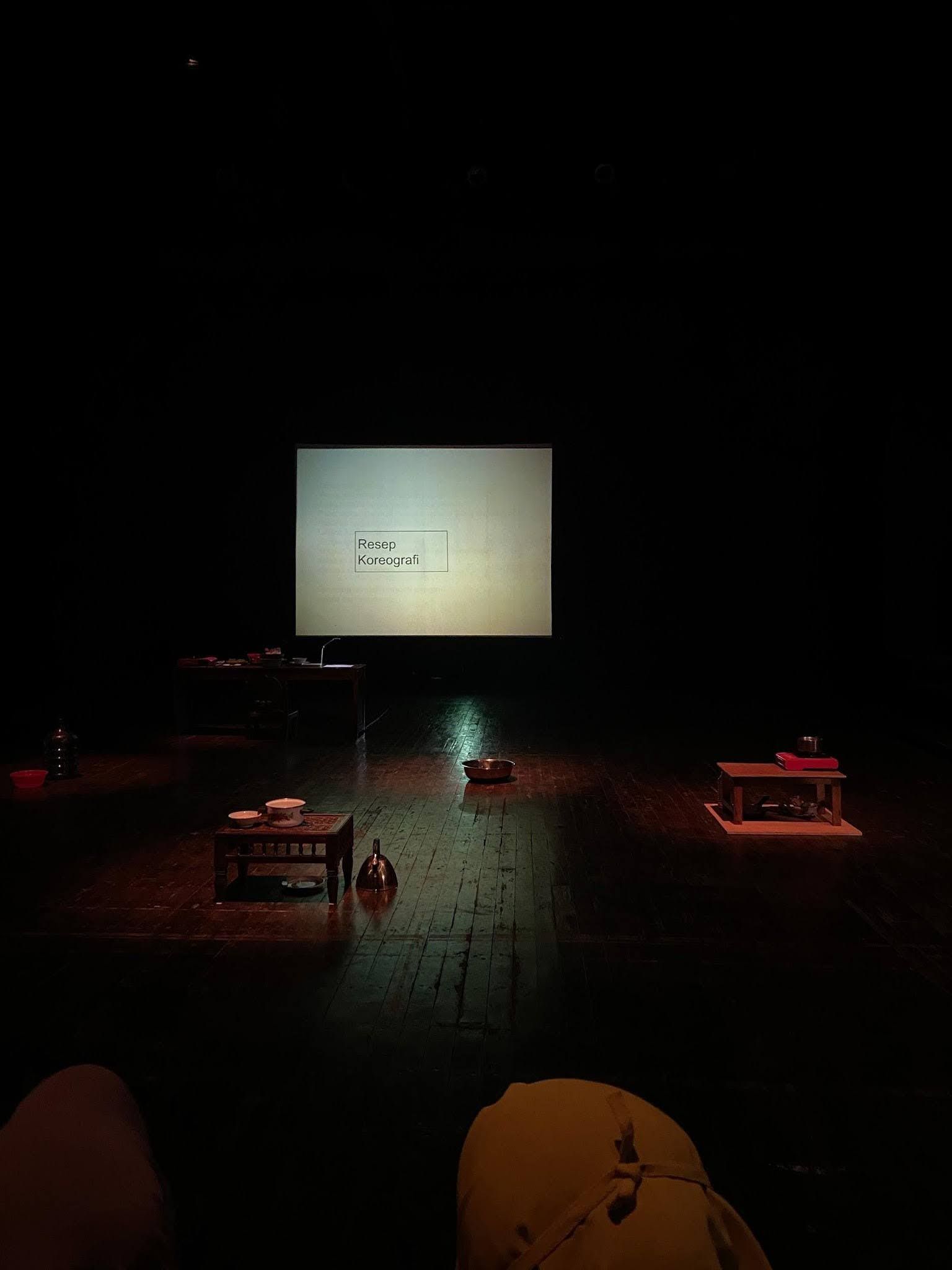
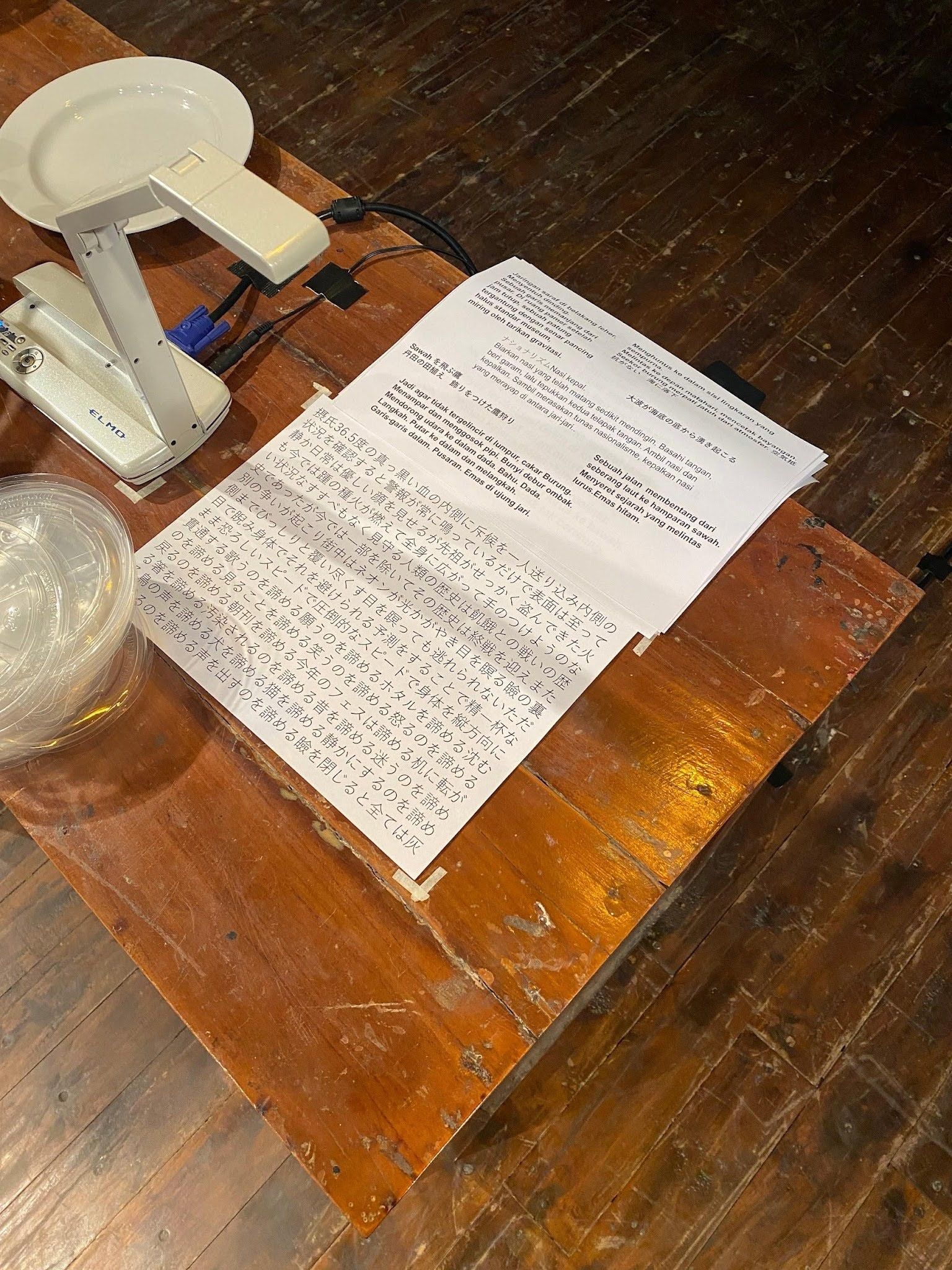
The performance on January 10 took place at Teater Arena located in the center of Solo. The audience seating was arranged in a three-sided configuration surrounding the performance space, resulting in a large-scale production that incorporated lighting, sound, and video. It is particularly noteworthy that the performance turned out to be of such a high level during a one-month residency. During the performance, the choreography unfolded as recipes—translated into Indonesian—were projected onto a screen. The dishes prepared during the show were rice balls, miso soup, and tofu hamburger steaks. Rice is a staple food in both Japan and most regions of Indonesia, forming the basis of their dietary systems. The choreography involving the act of cooking “rice” is a key element that has been carried over from the premiere at Haradani Space. The miso soup combined miso brought from Japan with Indonesian tomatoes; during the talk the following day, Melati described it as “like the mixture of Kyoto-Solo.” It was wonderful to see the audience eating the finished dishes after the performance (something I think would be difficult to do in Japan). January appears to be wedding season in Indonesia, and during the performance, Dangdut (Indonesian popular music) could be heard from a nearby event venue. Dangdut, known for lyrics rooted in the lives of ordinary people—such as love, labor, and poverty—seemed to reinforce the context of the choreography as a form of “resistance” against the power structures surrounding food, which was quite striking.
The following day, we held a talk event at Studio Plesungan, where Masukawa shared insights into his own creative process, and we provided an overview of Kyoto’s art scene. The Q&A session was particularly substantive; one participant, having watched the previous day’s performance, came prepared with feedback and questions, and shared information with Masukawa about Gerwani’s journal Api Kartini *1. This likely provided some useful insights for Masukawa, who is currently researching women’s magazines from the period around World War II. There was also mention of lively discussions in Indonesia regarding the “Makan Bergizi Gratis (MBG)” *2 free school meal program, launched by President Prabowo in 2025. Masukawa’s works, which center on the theme of “food,” seemed to provide Indonesian audiences with an opportunity to reexamine the act of “eating”—an essential part of our survival.
*1
The name of the official monthly magazine published by Gerwani, an Indonesian women’s movement organization. It means “Kartini’s Fire” and covers a wide range of topics, including recipes, sewing, and education, while also focusing on the women’s movement. Its aim is to raise women’s political and social awareness and promote their empowerment.
*2
A policy aimed at improving the nutritional status of school-age children, infants, and pregnant women; addressing factors that hinder children’s growth; and thereby enhancing academic performance and reducing poverty, by providing free school meals not only to school-age children nationwide but also to pregnant women.
https://www.jica.go.jp/jica_ri/research/growth/1575307_24128.html
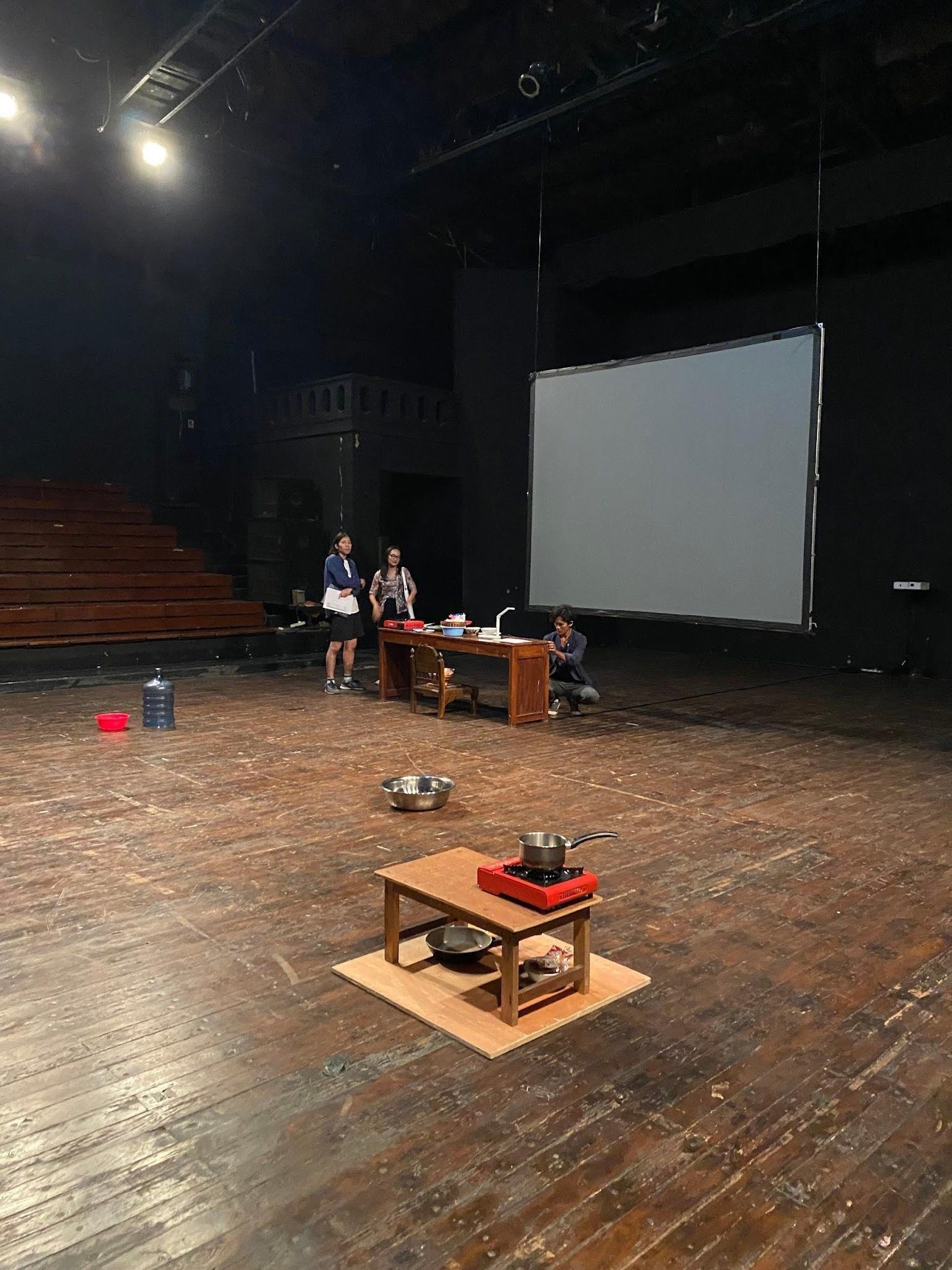
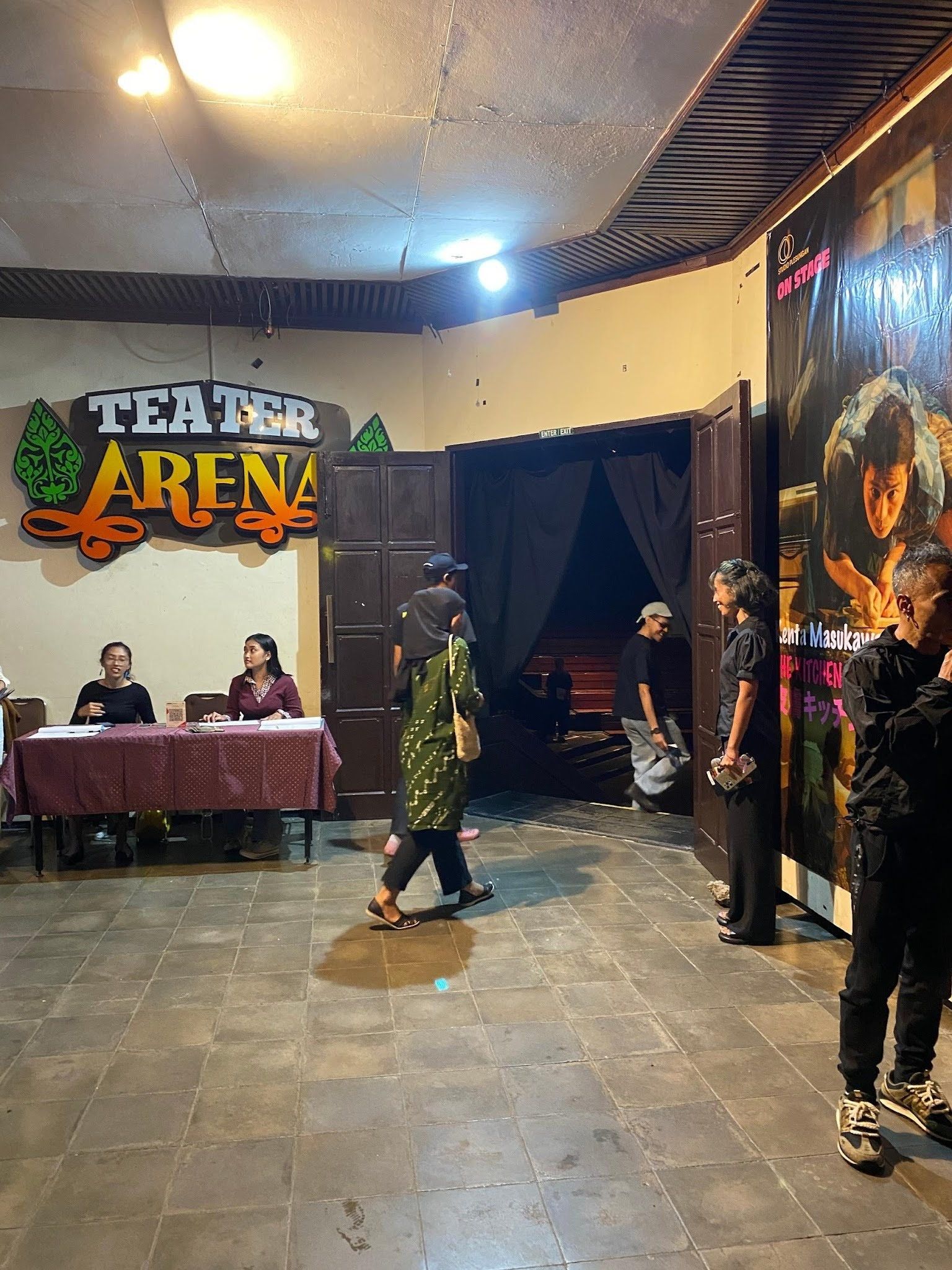
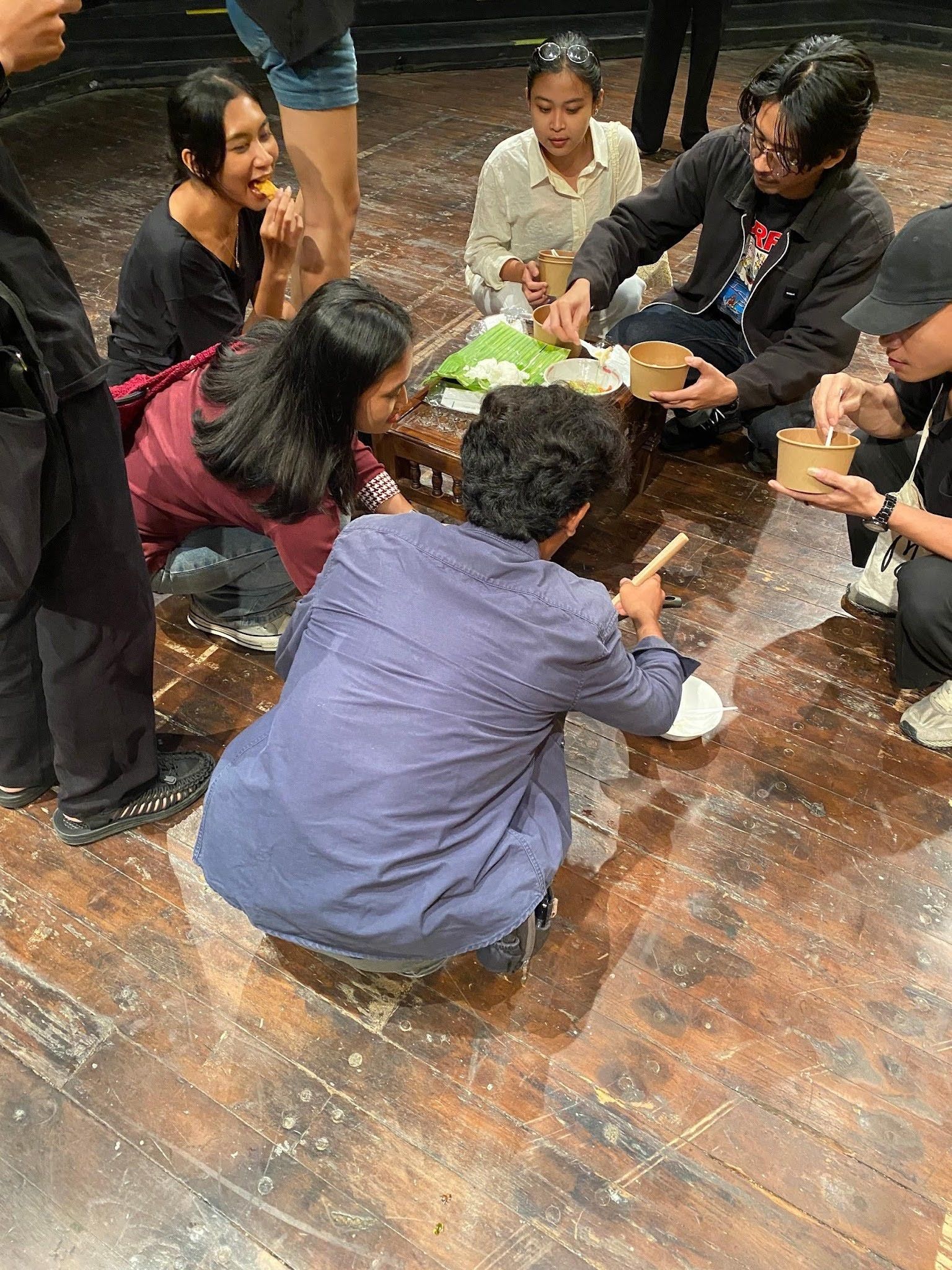
Masukawa mentioned that one particularly memorable moment was when an elderly woman from a “warung”—an Indonesian-style eatery where cooking begins at 1:00 a.m. to serve breakfast—came to see the performance and told Masukawa afterward, “It was great.” Masukawa had visited the warung as part of his research. He also recalled receiving questions from the audience about the choreography process and feedback noting that “everyday choreography is unusual.”
Furthermore, the “choreography recipe” projected on the screen during the performance was created by translating Masukawa’s Japanese choreography notes into English, and then translating that English text into Indonesian. Masukawa noted that the back-and-forth during the translation from English to Indonesian left a particularly strong impression on him. Razan and Velina, who are staff members at Studio Plesungan and active as dancers, were involved in this translation process. They reportedly confirmed the meaning by physically demonstrating movements—asking, “Is it like this?”—and, after aligning their understanding with Masukawa, translated it into Indonesian. In other words, a conversion process emerged there: Japanese → English → body → Indonesian.
Solo is said to have a large population of artists active in the performing arts field. The presence of Melati’s studio likely plays a significant role in this. Compared to the residency at the Kyoto Art Center, I felt that at Plesungan, artists stay as if “studying abroad” within the artist community, in an environment where daily interaction and discussion among artists take place.
Jakarta
Third destination was Jakarta. A metropolis with a population exceeding 10 million, Jakarta is divided into five administrative cities. On this trip, guided by a Bandung-based artist Mei Homma, we visited several spaces, focusing primarily on South Jakarta, where many art spaces are concentrated.
While we generally needed to get around by motorcycle or car, traffic congestion was severe throughout the city, and restrictions were in place on the types of vehicles allowed to travel within the metropolitan area.
Salihara art center
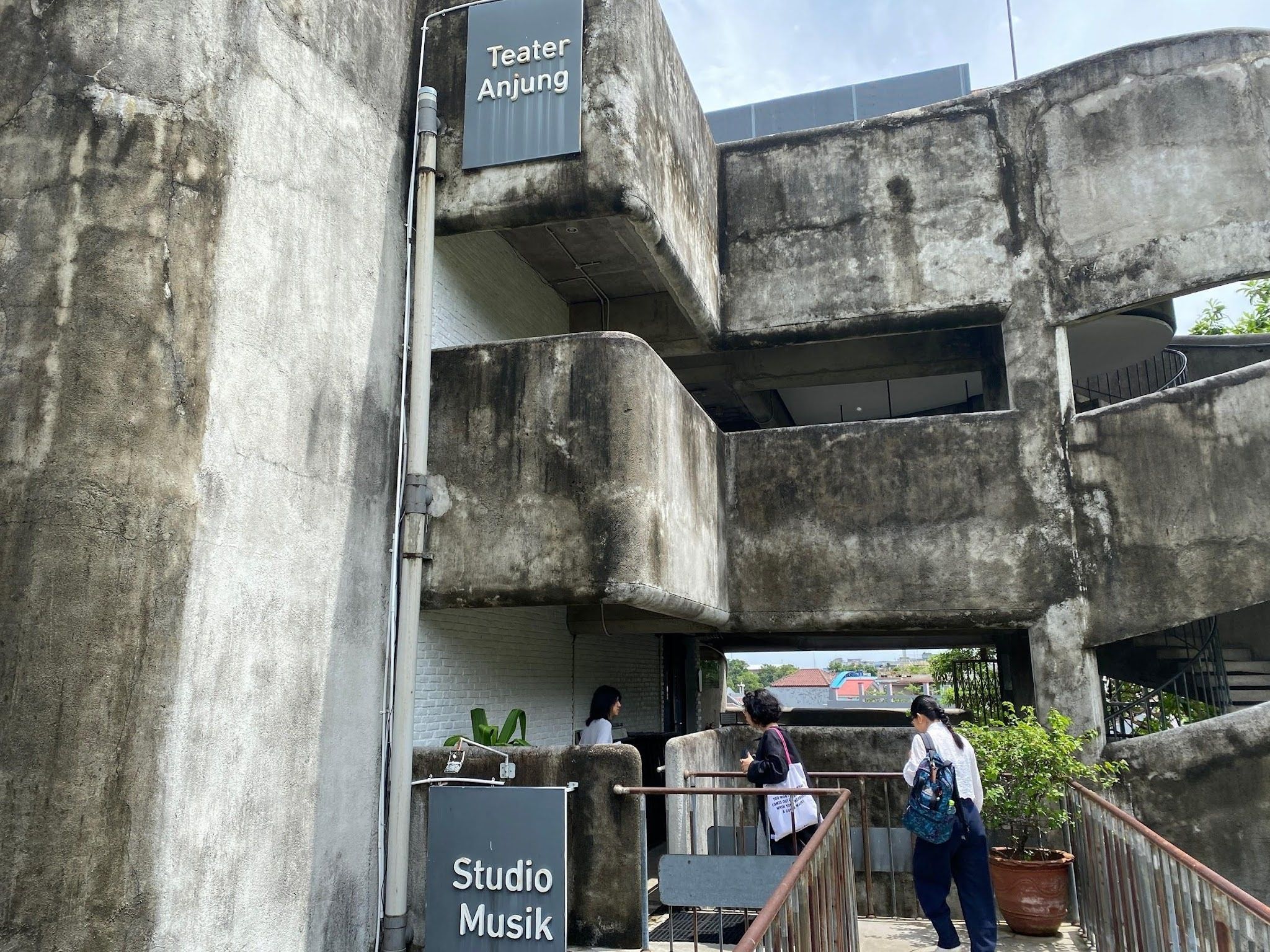
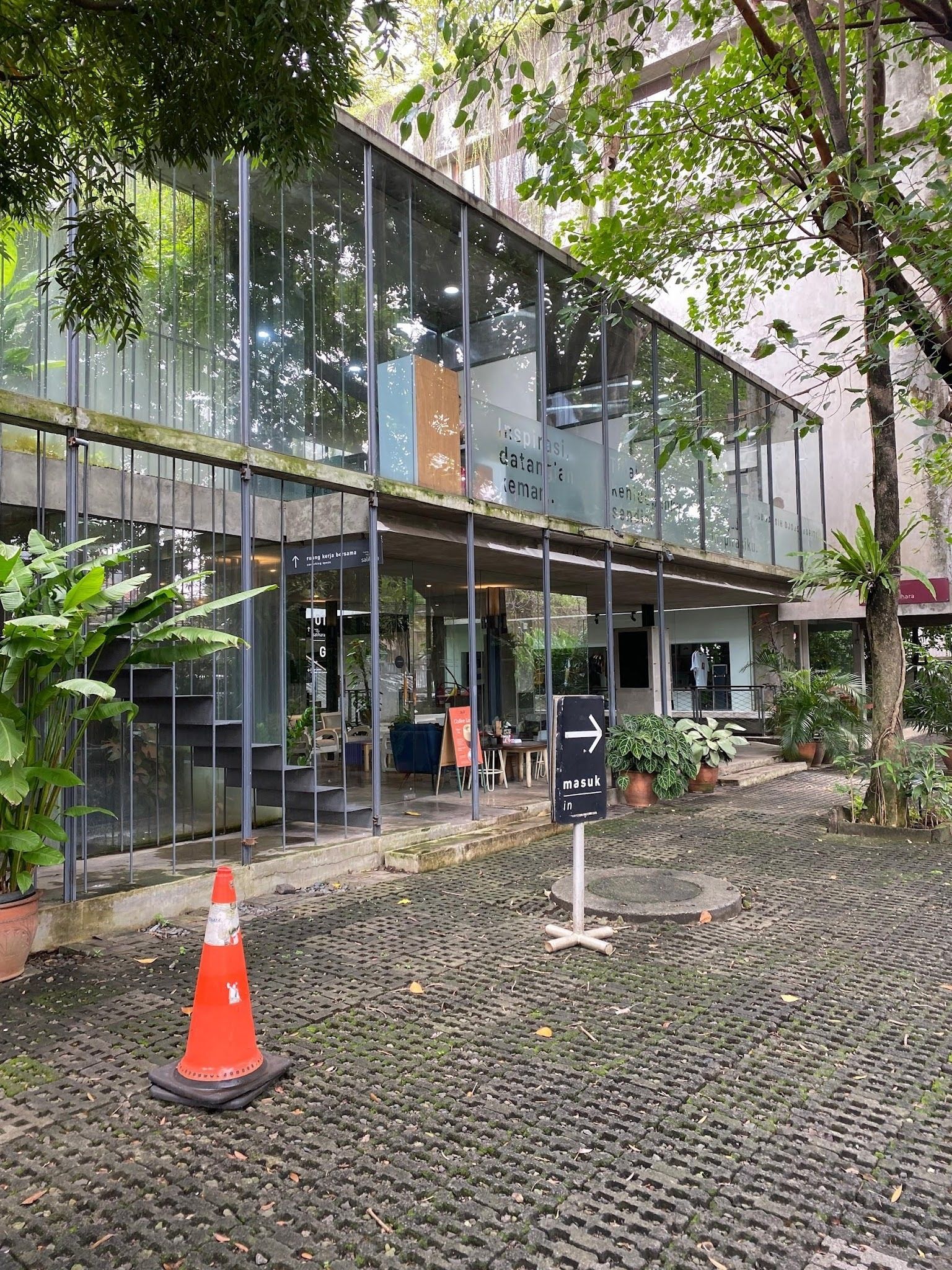
A private art center established in 2008, it traces its origins to “Komunitas Utan Kayu (KUK),” an organization founded in 1995 by artists, journalists, and intellectuals seeking artistic freedom. It offers programs in both the performing and visual arts, and I felt its operational structure was similar to that of the Kyoto Art Center.
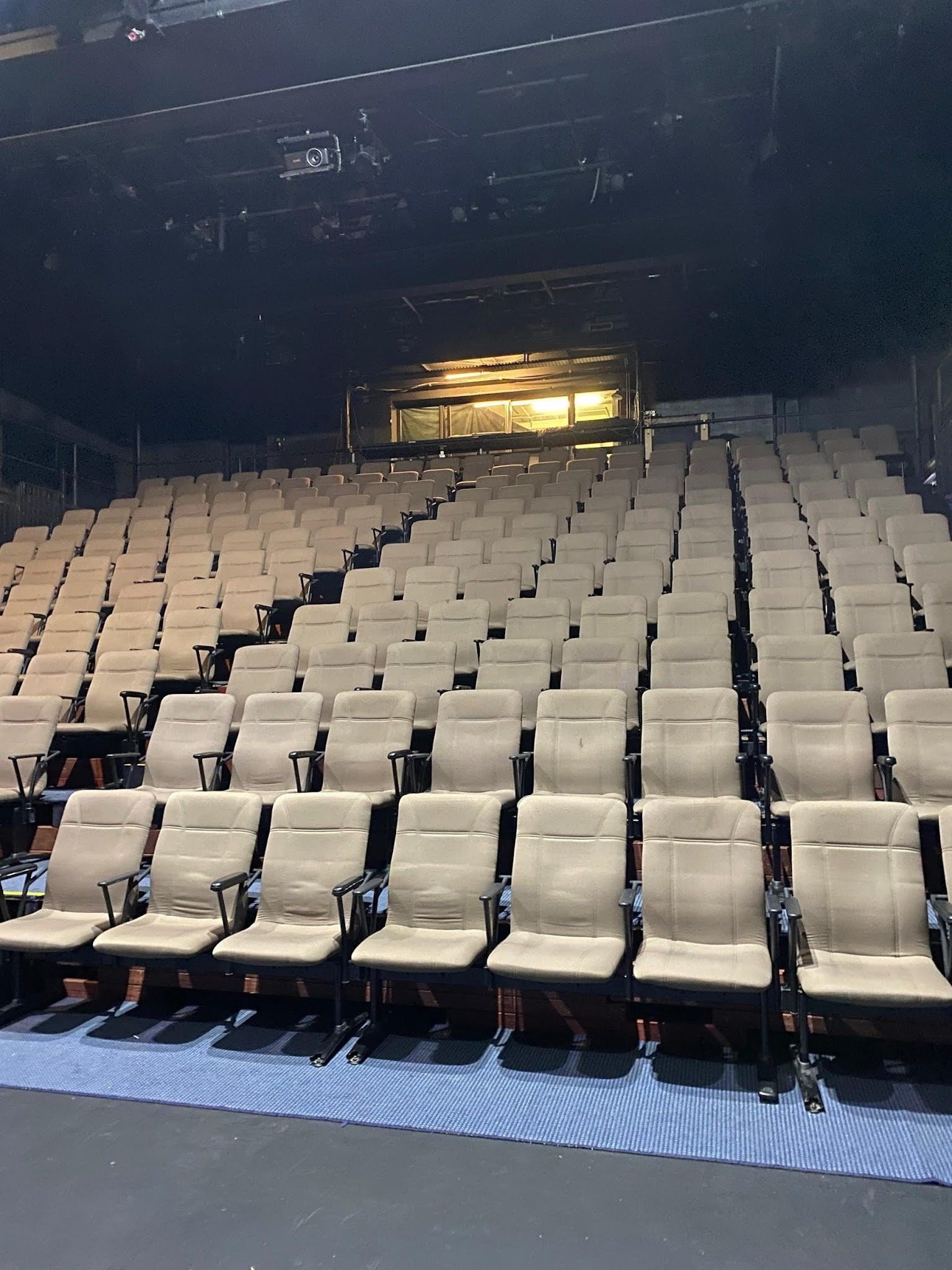
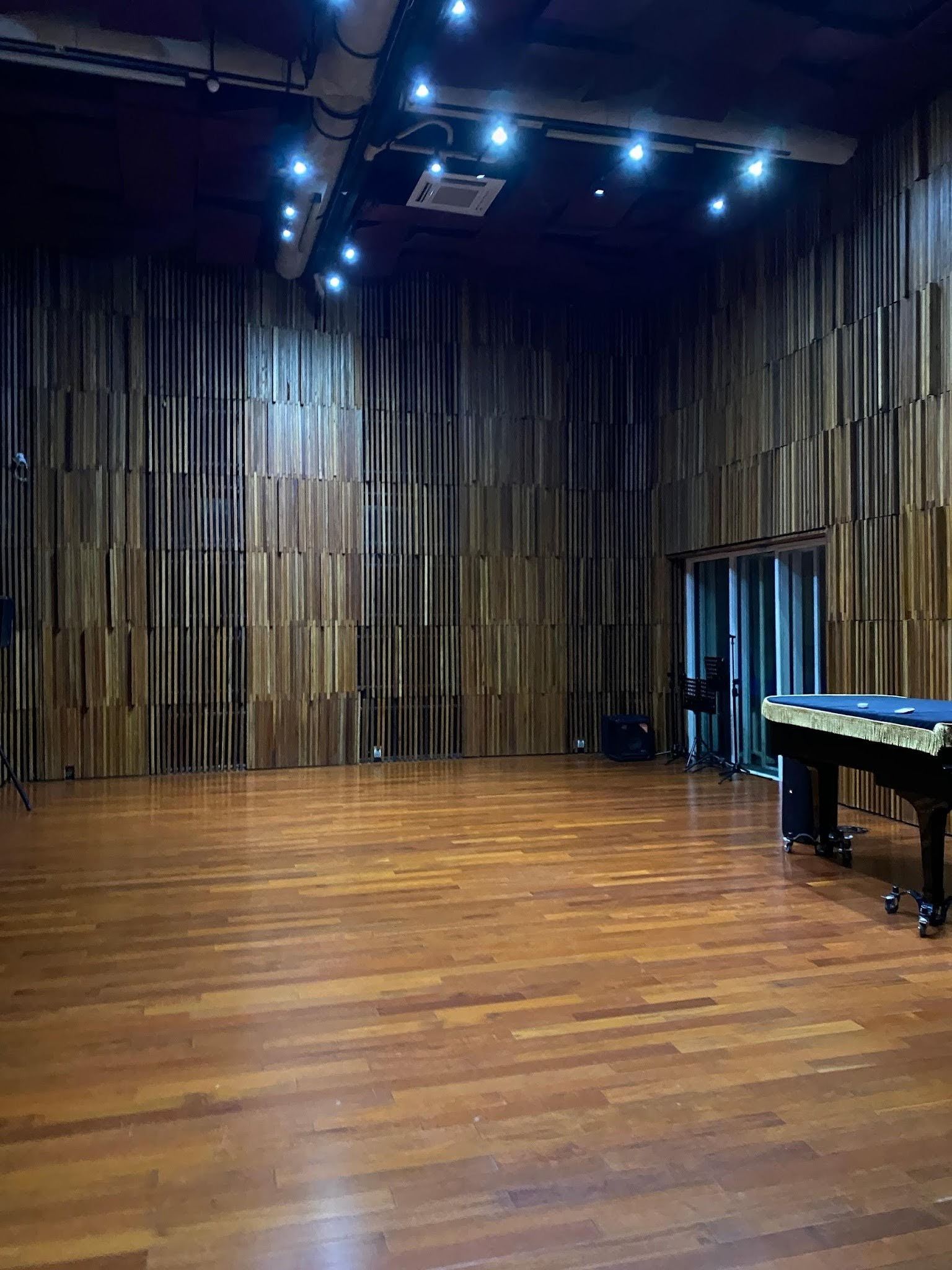
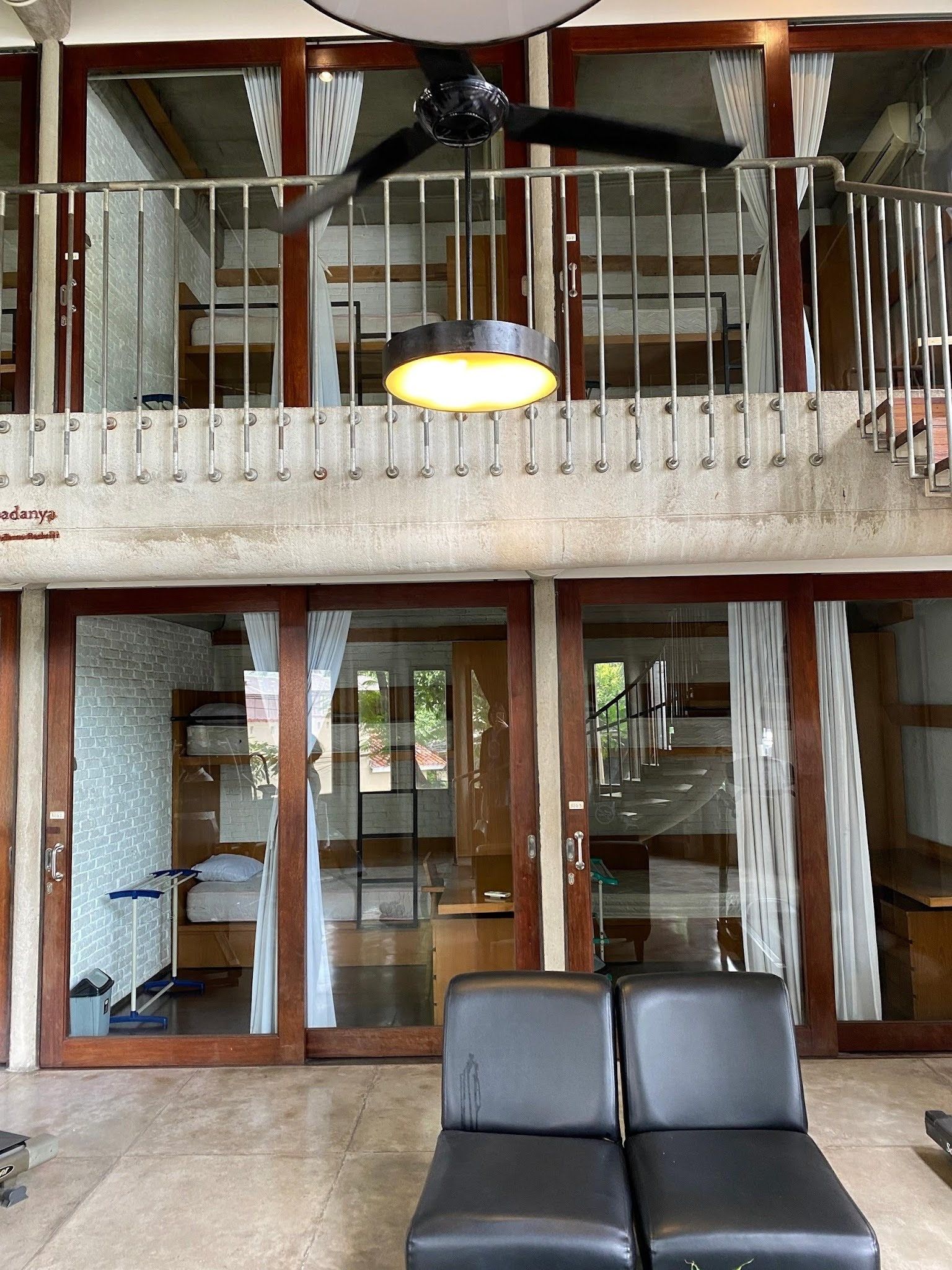
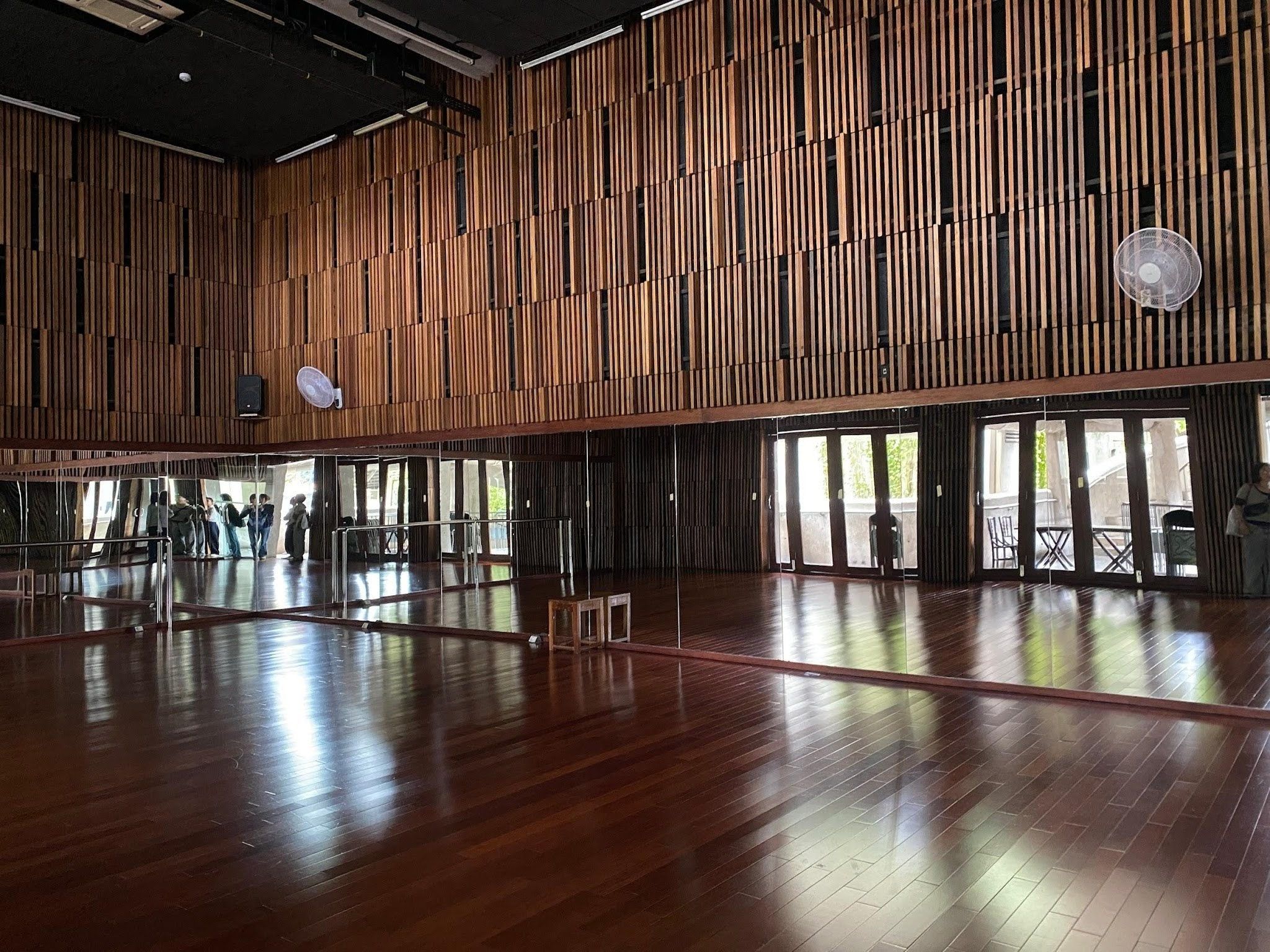
Designed by a renowned Indonesian architect, the art center consists of multiple buildings and features facilities such as gallery spaces, a black-box theater with movable seating, a soundproof studio suitable for music recording, and a studio equipped with mirrors. It hosts an international performing arts festival and a literary festival every other year. It also shares similarities with the Kyoto Art Center in that it includes a café space and a shared office space. Additionally, the center features residency facilities within the building, making it attractive because it allows for a seamless process of rehearsal, residency, and performance.
The construction costs for the art center’s buildings were covered by donations, and the facility’s operating expenses are reportedly funded by renting out the galleries, theater, and rehearsal spaces. The annual schedule for space usage is fully booked, and I was told that there are weekly yoga classes held in the mornings.
Studio Visit with Irwan Ahmett and Tita Salina
Irwan and Tita work as a collaborative unit. They research environmental and urban issues and carry out projects in collaboration with local residents. They showed us a video documenting their project titled “THE PLACENTA, THE TURTLE, THE SPY,” which took place in August 2025. This project originated from an encounter with a “turtle” that had been left stranded inside a flood barrier built along the coast—a creature that naturally lives in the sea. In collaboration with fishermen from a town adjacent to the seawall, they created a structure resembling a portable shrine for the turtle. They carried it along the seawall and eventually performed inside an abandoned building. We also had the opportunity to hear valuable insights into how they survive as artists based in Jakarta.
Ika Vantiani
Ika works on projects that explore the definition of “being a woman” in contemporary society, where media and consumption are intricately intertwined. She leads a collective dedicated to “journaling”—the practice of writing down one’s thoughts and emotions—and has organized numerous journaling workshops to date. She mentioned that she sometimes conducts workshops commissioned by corporations. It was surprising to hear that in a previous exhibition, even displaying the rainbow flag—a symbol of the LGBTQ community—was subject to government censorship.
MUSEUM MACAN
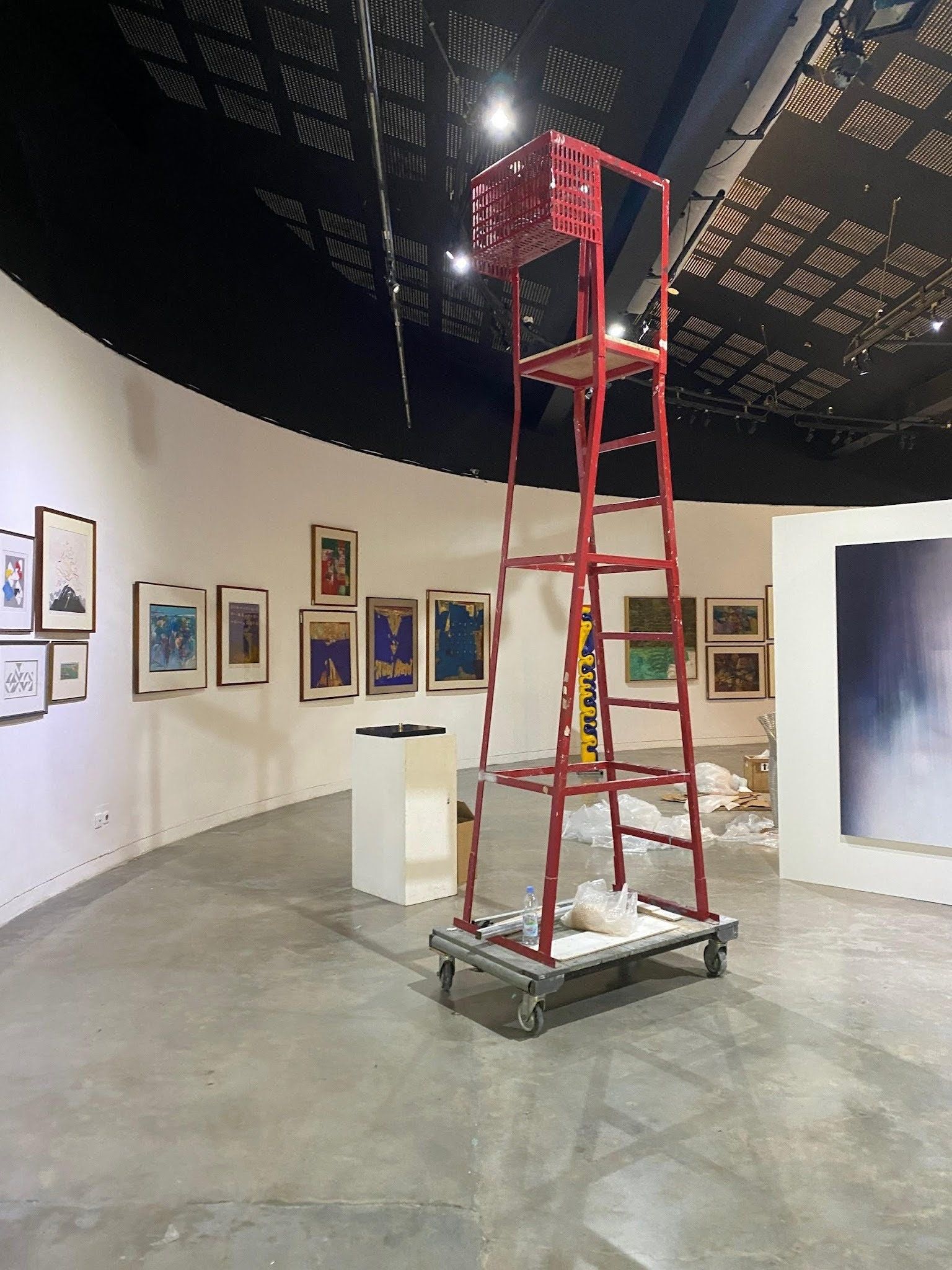
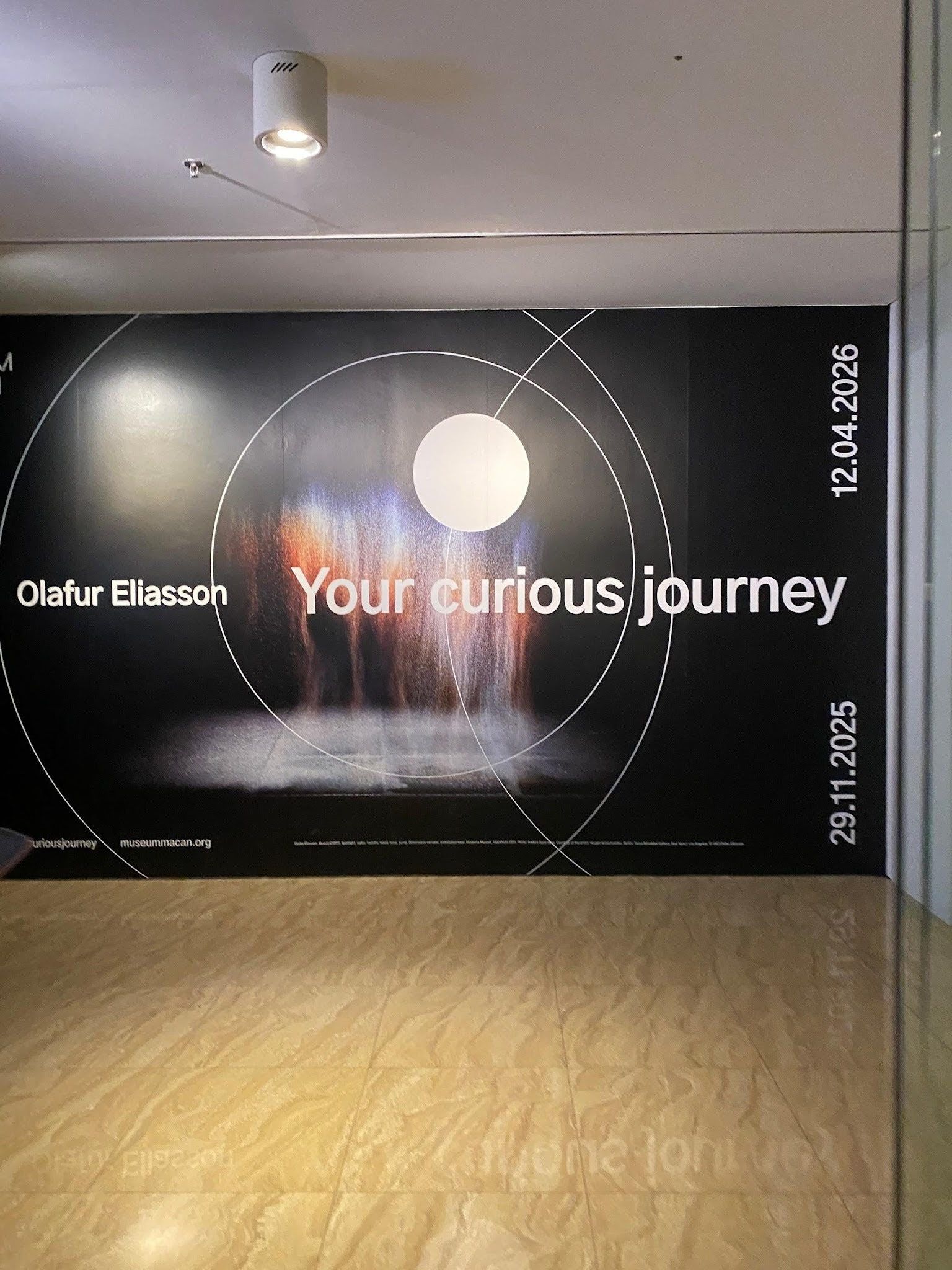
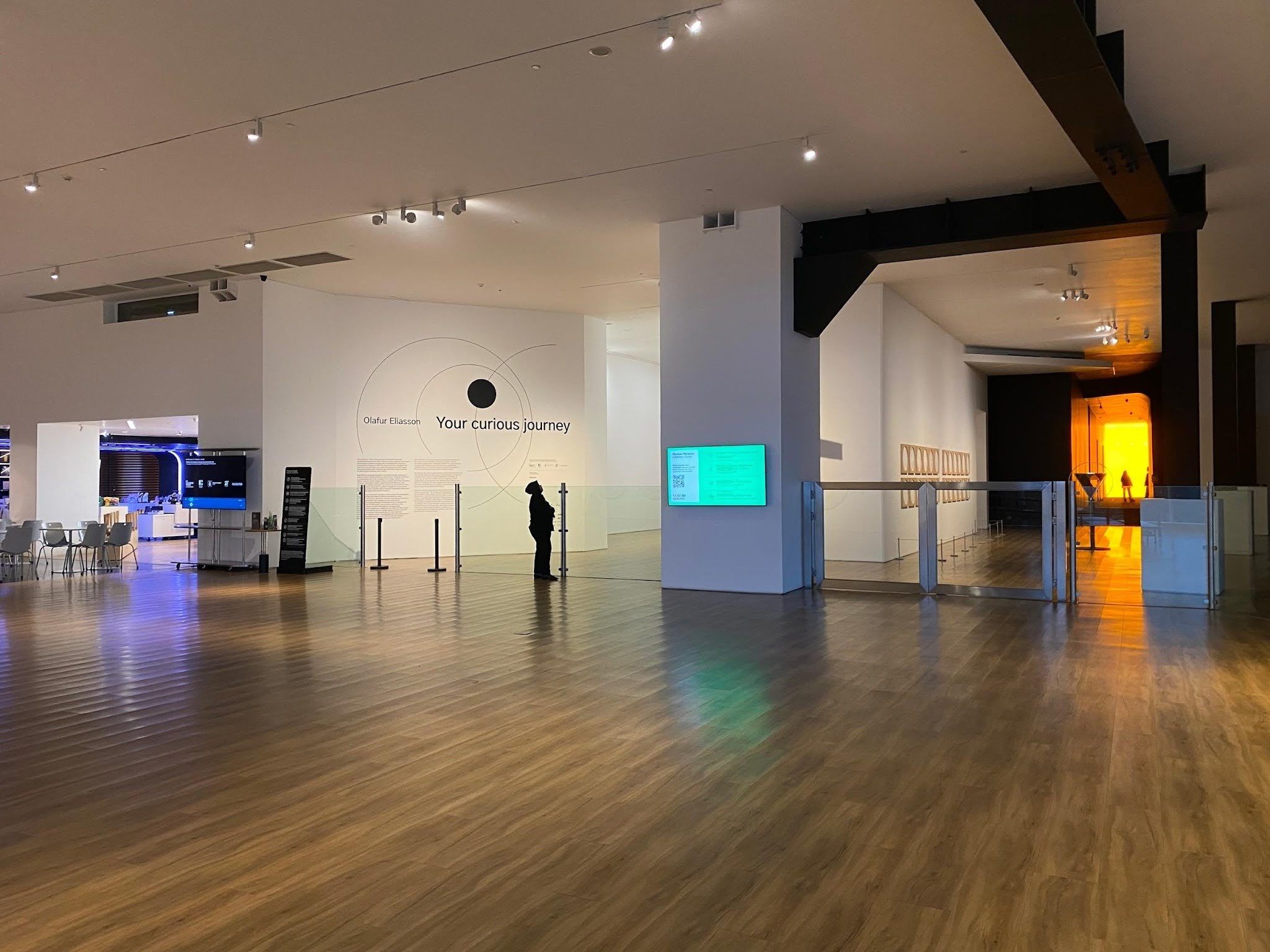
Opened in 2017 as Indonesia’s first museum of contemporary art by entrepreneur Haryanto Adikoesoemo. It is located on the fifth floor of a mixed-use building. Established with the Mori Art Museum as a model, this private museum collects works centered on contemporary art from both Indonesia and abroad. During my visit, a traveling exhibition by Olafur Eliasson was on display.
National Gallery of Indonesia
This is Indonesia’s national art museum, dedicated to collecting, preserving, and exhibiting works of art from both Indonesia and abroad.
During my visit, there were no special exhibitions, so I viewed the permanent collection. The exhibition provided an overview of Indonesian art history, spanning from the Dutch colonial era to the period following the country’s independence as the Republic of Indonesia in 1948. According to Mei Homma, the permanent collection had been recently renovated. The latter part of the exhibition featured contemporary artworks, including a video piece by Melati Suryodarmo.
Are collectives about marketing? Or branding?
When one thinks of Indonesia, the image that comes to mind is one of numerous “collectives” active in the country, epitomized by Ruangrupa, which served as artistic director for Documenta 15 in 2022. On the other hand, during my stay in Jakarta, I heard voices questioning whether the concept of a “collective” is merely a marketing or branding strategy designed to survive within the global art market, and whether it actually has any substance. Furthermore, observing how privately initiated projects like the Salihara Art Center have expanded their activities through donations from the wealthy, it became clear that the ecosystem supporting collective activities in the long term is actually quite complex.
Whether it was Melati’s studio, Irwan and Tita’s project, or Ika’s workshop, I sensed that a collective spirit existed at the core of these activities, even though they did not explicitly promote the term “collective.” For the sake of a project, artists and non-artists alike gather; even without a clear objective, people somehow come together. I felt there was a space and a fertile ground for people to gather.
The Kyoto Art Center, where I currently work, has ten studios where artists from various genres create their work every day. Local residents also hold club activities there, and some people visit the center simply to enjoy the café. However, in recent years, I’ve felt there’s a shortage of “spaces where people can just gather casually,” and that the structure has become one where unexpected encounters and interactions are less likely to occur.
Visiting the three cities of Yogyakarta, Surakarta, and Jakarta
During this trip, I visited three cities in Indonesia. I noticed a significant difference in the level of urban infrastructure development between the first two cities and Jakarta, and it seemed that this difference was reflected in the distinct art scenes unfolding in each. Specifically, one key factor was whether the art scene was market-oriented or not. In Yogyakarta, there were many artist-run spaces for visual arts, and I could see that communities were closely connected with one another, regardless of their distance from the market. Solo, on the other hand, gave me the impression of having a large number of performing artists. Jakarta is exceptionally urbanized, with skyscrapers lining the streets. While there are connections between communities and spaces, I felt that each operated independently. Although what I could observe during my brief stay was limited, it provided an opportunity to glimpse how artists and creators are carrying out their activities in an environment completely different from Japan’s.