When the Outside Arrives, the Inside Begins to Move A Month in Kyoto Where Vision Turned into Practice
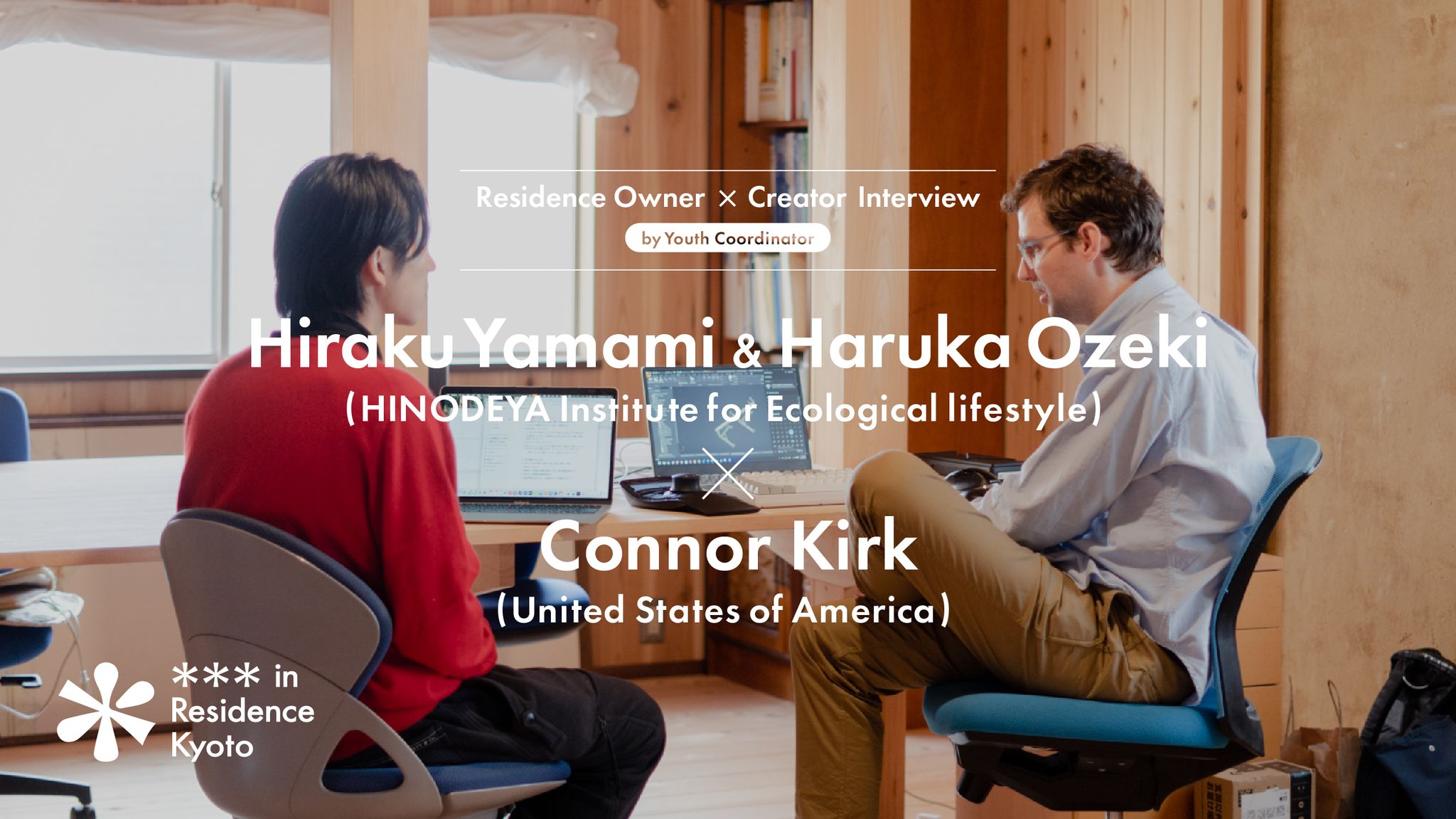
“*** in Residence Kyoto” is a residency program where creators from abroad and local Kyoto residents share everyday life, learn from one another, and cultivate new values and relationships together.
This edition unfolded at Hinodeya Eco Life Research Institute — a place that has long continued to ask what it means to engage with environmental issues as a sustainable enterprise. During a month-long stay with American engineer Connor Kirk, ideas that had been carefully nurtured over time slowly transformed into a reason to begin.
On the final day of the residency, Youth Coordinator Kazuki Yamamoto followed the day closely, tracing the process of that transformation as it quietly took shape.
- Interviewer & Article Writer / Youth Coordinator
Throughout the article, you will also find interwoven reflections, “YC Notes” from other Youth Coordinators who were not part of the writing team. As you turn each page, we hope you’ll experience a layered narrative, where fresh perspectives and small moments of discovery gently emerge from between the lines.
目次
CreatorResidence2025.11.6(thu) 13:00 at HINODEYA Institute for Ecological LifestyleInterview with Residence Owner
— Haruka Ozeki and Taku Yamami, HINODEYA Institute for Ecological LifestyleSustaining Environmental Action as Enterprise ー The Work of HINODEYA Institute for Ecological Lifestyle"It would be interesting if a place like HINODEYA joined"
— The invitation to the residency program that gave me a push“If He Hadn’t Come, Autumn Would Have Passed as It Always Does”
ー The changes brought by the residency and the special presence of Connor KirkTo Overcome “It’s Impossible” ー How the *** in Residence Kyoto Team Connects and Sustains Diverse ActorsInterview with Creator
— Connor KirkA Carefully Prepared Month
ー Maximizing the Residency Through Focused Intensity "If you don't put it out there, it doesn't become a part of you"
— The confidence born during the residency periodConsidering "What do I want to leave behind?"
— A perspective beyond mechanical engineering
2025.11.6(thu) 13:00 at HINODEYA Institute for Ecological Lifestyle
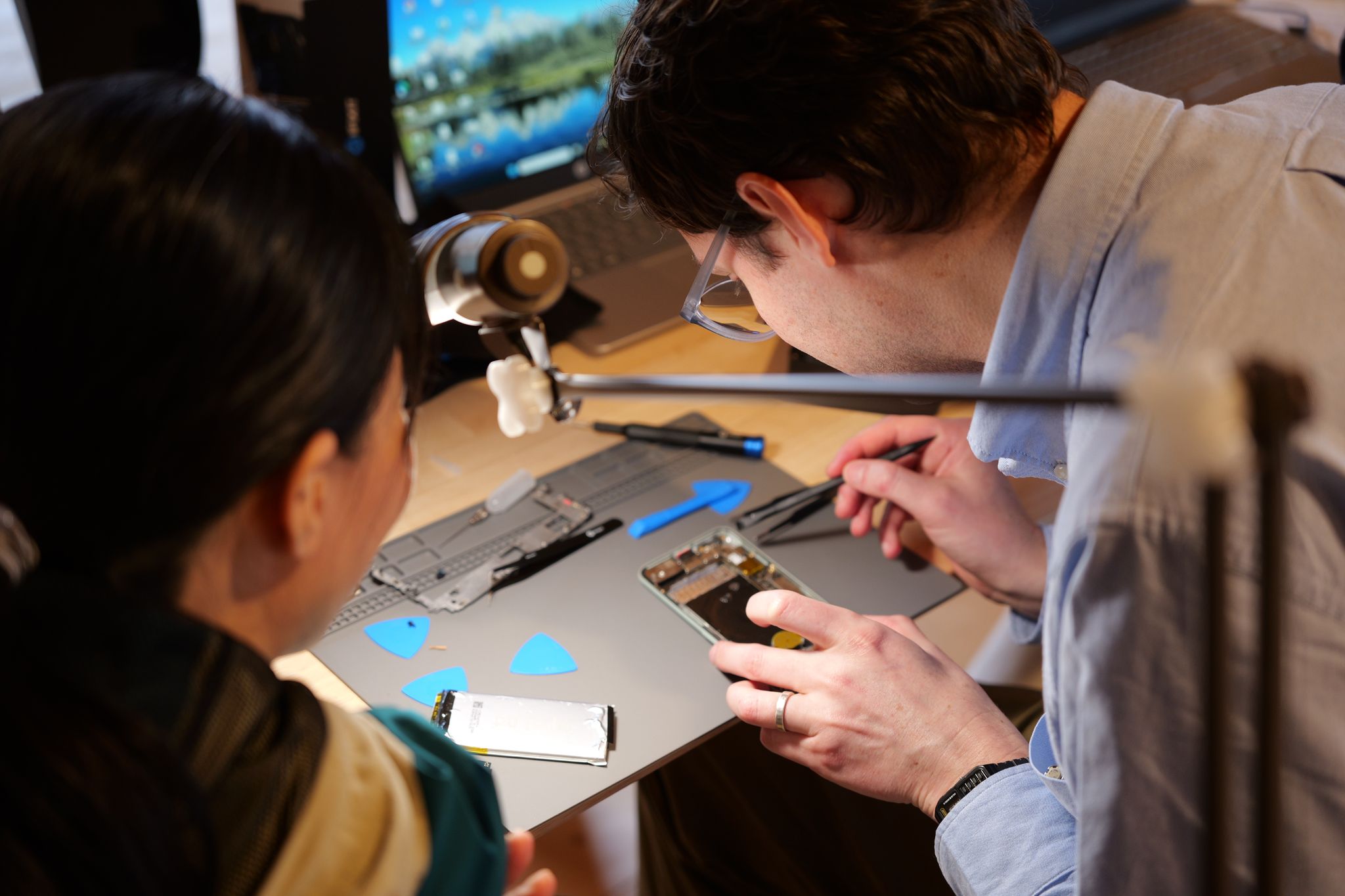
On this day, “Repair Time” was held at HINODEYA Institute for Ecological Lifestyle. Through hands on smartphone disassembly, the workshop invited participants to compare the publicly available repairability score with the lived experience of how easy or difficult the devices were to repair.
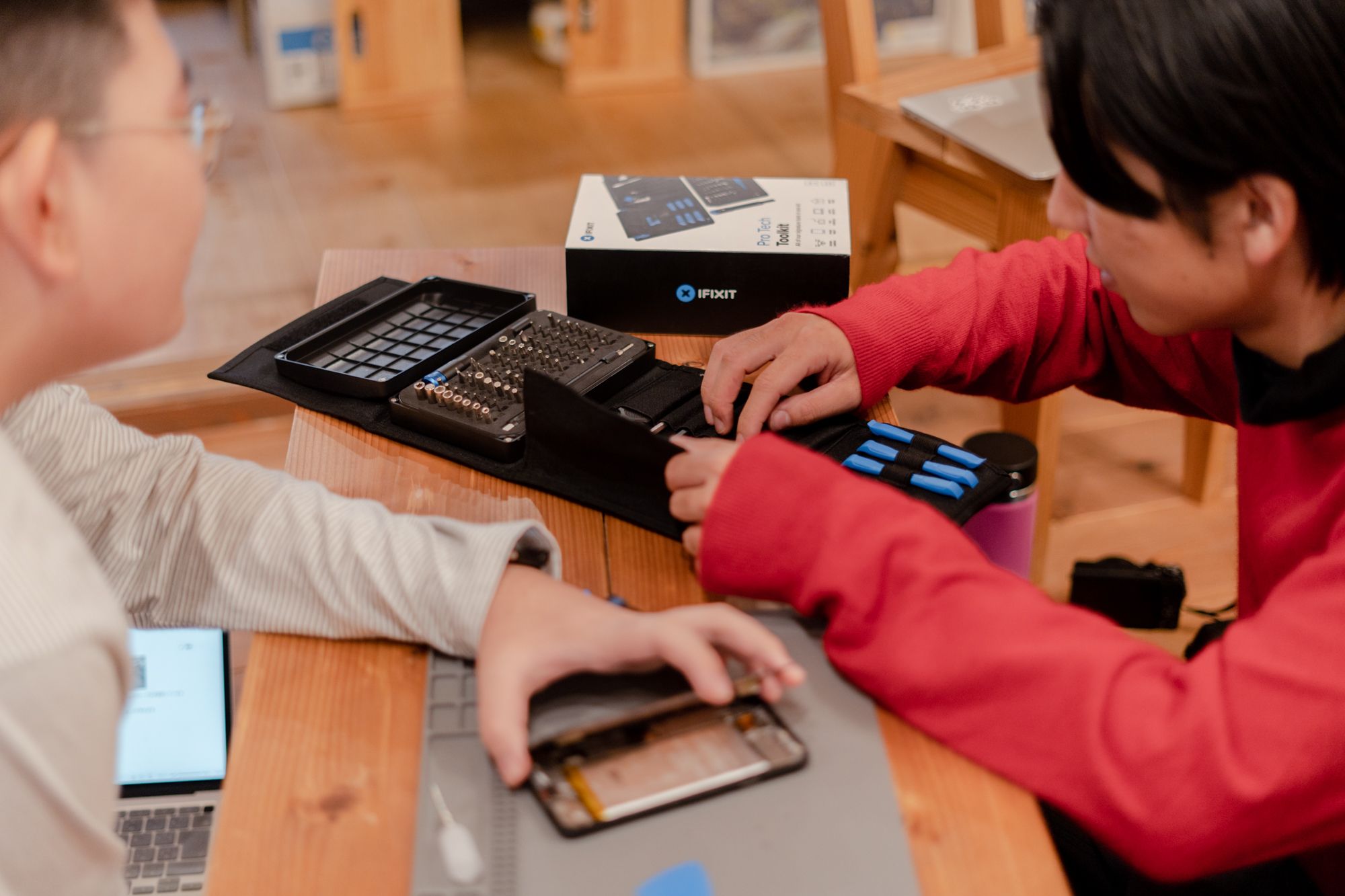
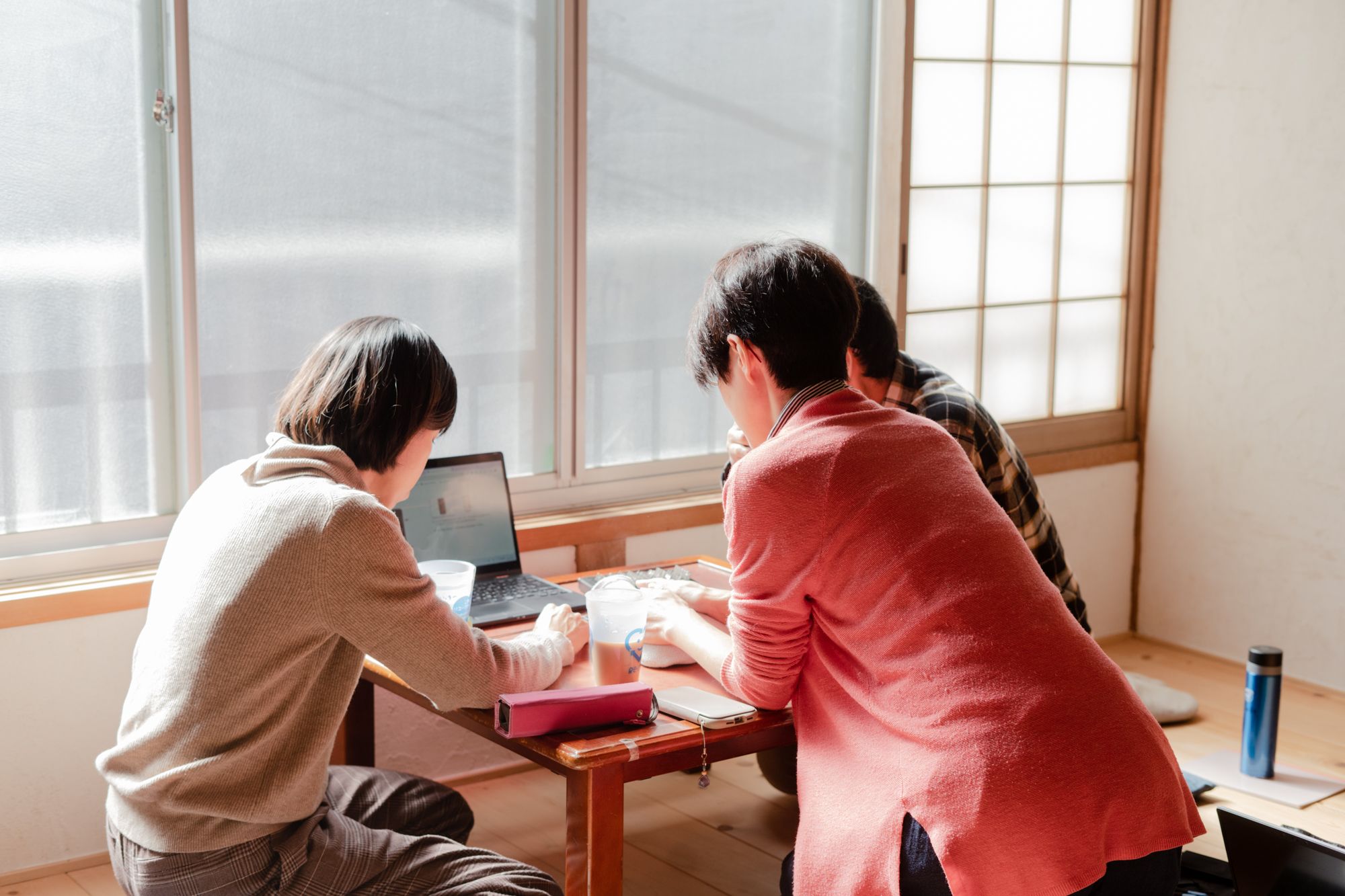
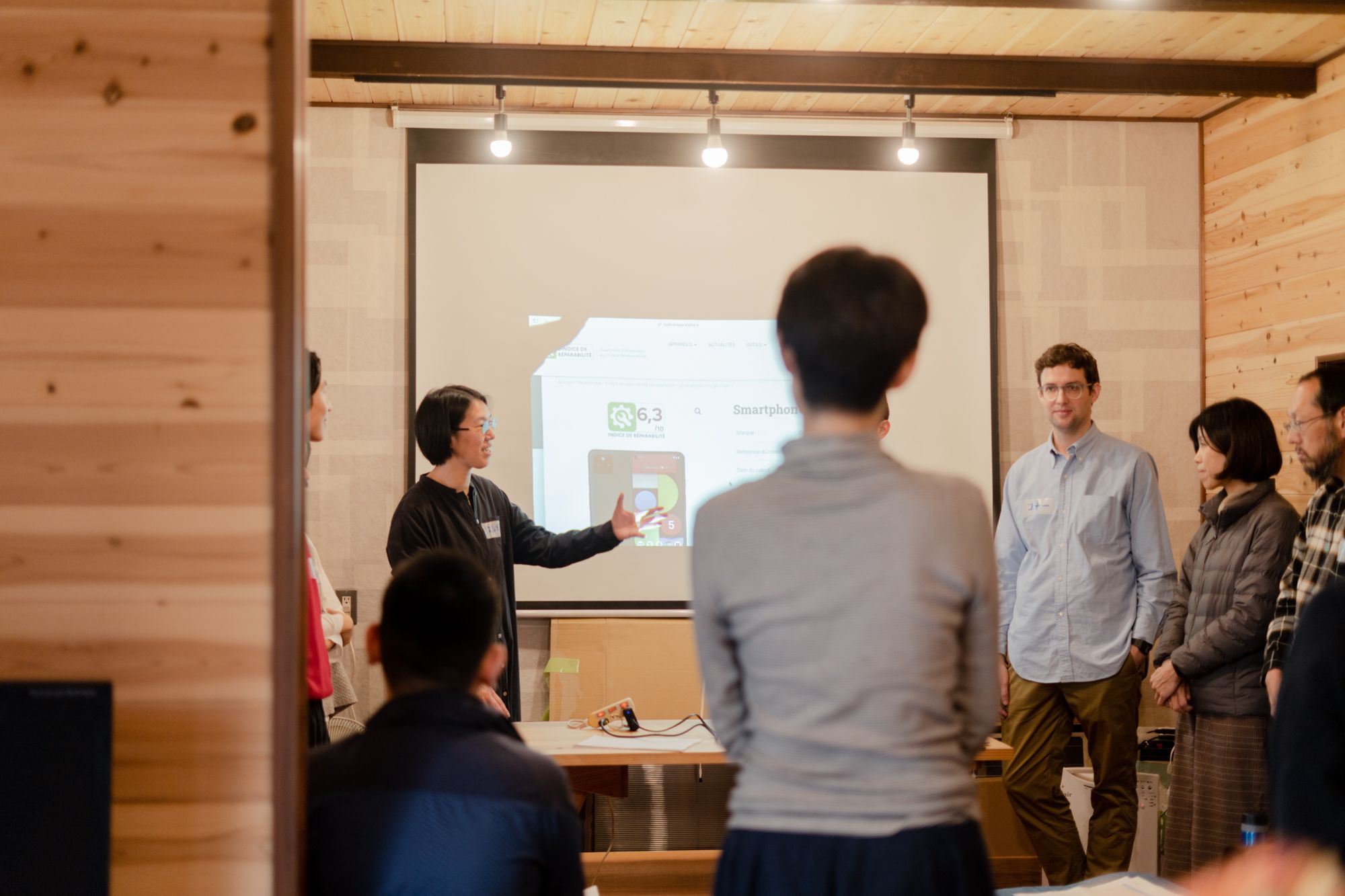
After “Repair Time,” we spoke once again with Haruka Ozeki and Taku Yamami of HINODEYA Institute for Ecological Lifestyle.
Interview with Residence Owner — Haruka Ozeki and Taku Yamami, HINODEYA Institute for Ecological Lifestyle
Sustaining Environmental Action as Enterprise ー The Work of HINODEYA Institute for Ecological Lifestyle
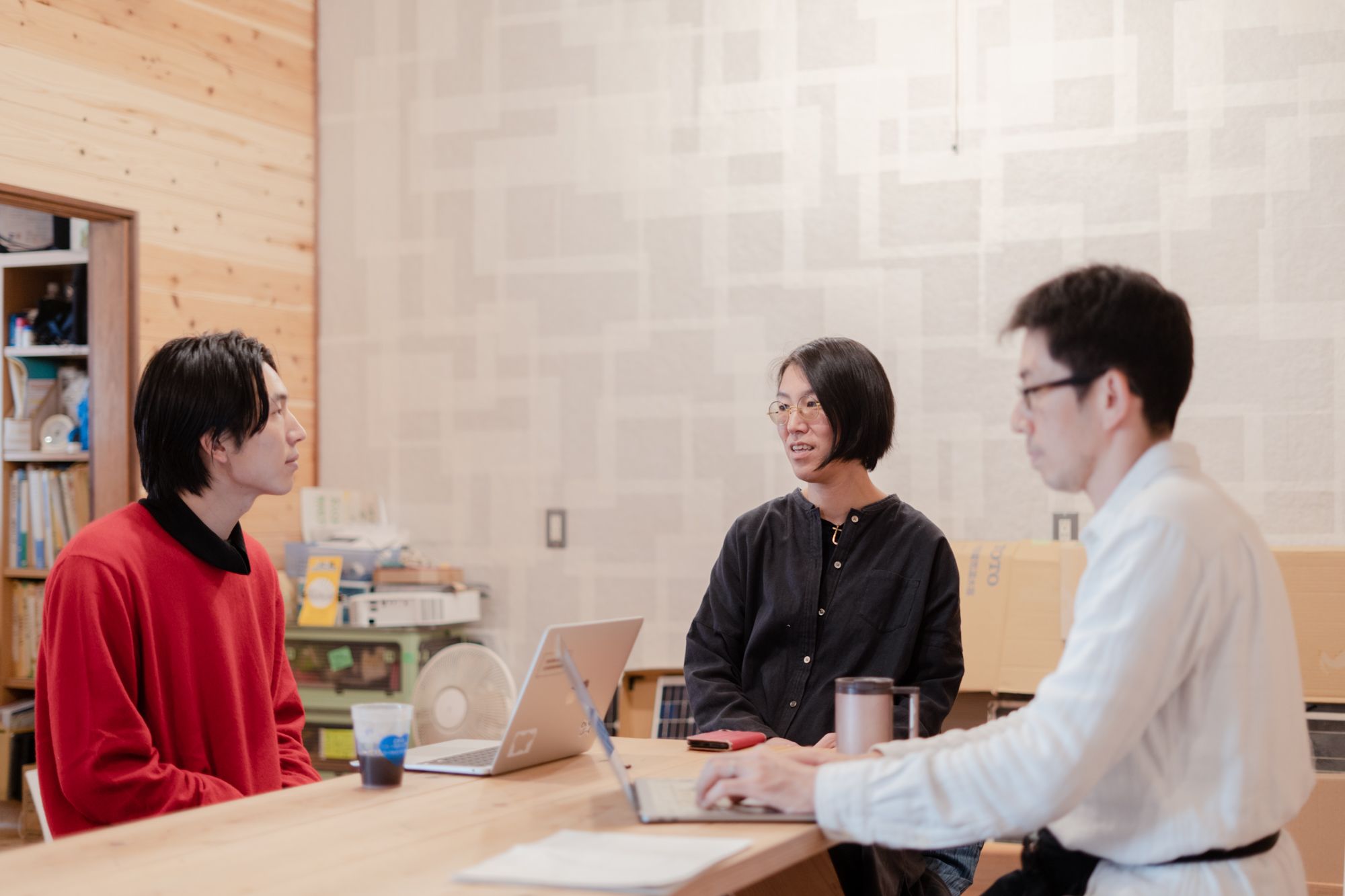
Youth Coordinator : Kazuki
How did HINODEYA Institute for Ecological Lifestyle (hereinafter referred to as the “HINODEYA”) first begin? Could you tell us about your activities?
Taku Yamami (hereinafter referred to as the “Yamami”)
At the core is the idea of keeping environmental issues running as a viable business. HINODEYA was originally started in 1999 by its representative, Yasufumi Suzuki, as a sole proprietorship, and became a limited company in 2000.
There are many kinds of movements addressing environmental issues, but we believe it is not enough simply to raise our voices. It is better if the work can continue in a way where money circulates properly as well. Even while pursuing idealistic goals, it should be possible to make them function as a business and in fact, that approach allows ideas to spread more quickly.
By operating as stakeholders ourselves, we also hope to support others who are engaged in similar initiatives. That is the stance we take.
Haruka Ozeki (hereinafter referred to as the “Haruka”)
Yes. In our daily work, centered around Mr. Suzuki, we develop various apps and digital tools. We provide systems that visualize a household’s CO2 emissions through point based metrics, how much emissions can be reduced through specific actions, helping people better understand their current environmental impact.
We have also long offered rentals of bicycle powered generators which produces electricity by pedaling. By using that electricity to power appliances, they can experience what it feels like to become a power plant.
"It would be interesting if a place like HINODEYA joined" — The invitation to the residency program that gave me a push
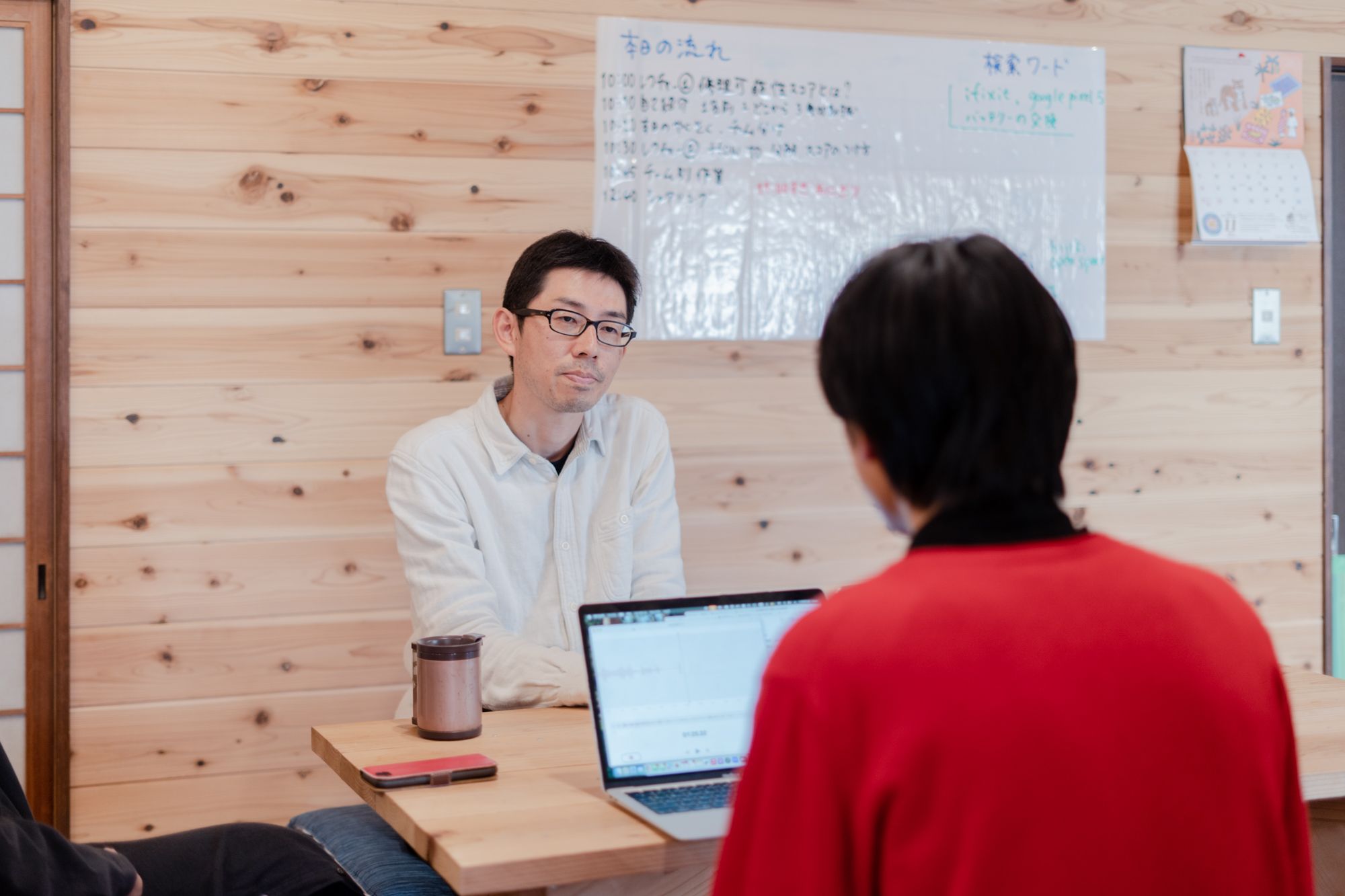
Kazuki
What led HINODEYA to participate in *** in Residence Kyoto? We would love to hear what prompted your involvement.
Haruka
It started when Mariko Sugita reached out to us. She said, “We have just launched a new residency program in Kyoto city called *** in Residence Kyoto, and it would be exciting if a place like Hinodeya joined.” That invitation is what led us to participate.
Kazuki
Was there something you were hoping to gain by taking part in *** in Residence Kyoto?
Haruka
Even when we have ideas we truly want to pursue, we often feel that it is not enough to work on them by ourselves. We have sometimes traveled abroad seeking stimulation and new perspectives. But this program brings overseas creators and outside voices to us. That felt like such a rare and valuable opportunity, and it made the decision easy.
Yamami
Yes, not only were people coming to us, but we were also able to search for and select someone we genuinely wanted to invite. That was especially meaningful. In the past, we had occasions where someone came to work with us in a more passive way. This time, however, we could choose someone aligned with what we hoped to explore. That sense of agency made a significant difference.
YC NOTE | Kazuki
Although the initial plan ultimately did not materialize, I was planning a repair workshop alongside the help of HINODEYA team. I had almost no prior knowledge of repair, yet they patiently walked me through the differences between repair and remake, and introduced me to earlier examples of repair workshops that had taken shape elsewhere.
In those conversations, I began to realize something more fundamental. HINODEYA quietly operates as a bridge — connecting the local community with the culture and philosophy of repair.
“If He Hadn’t Come, Autumn Would Have Passed as It Always Does” ー The changes brought by the residency and the special presence of Connor Kirk
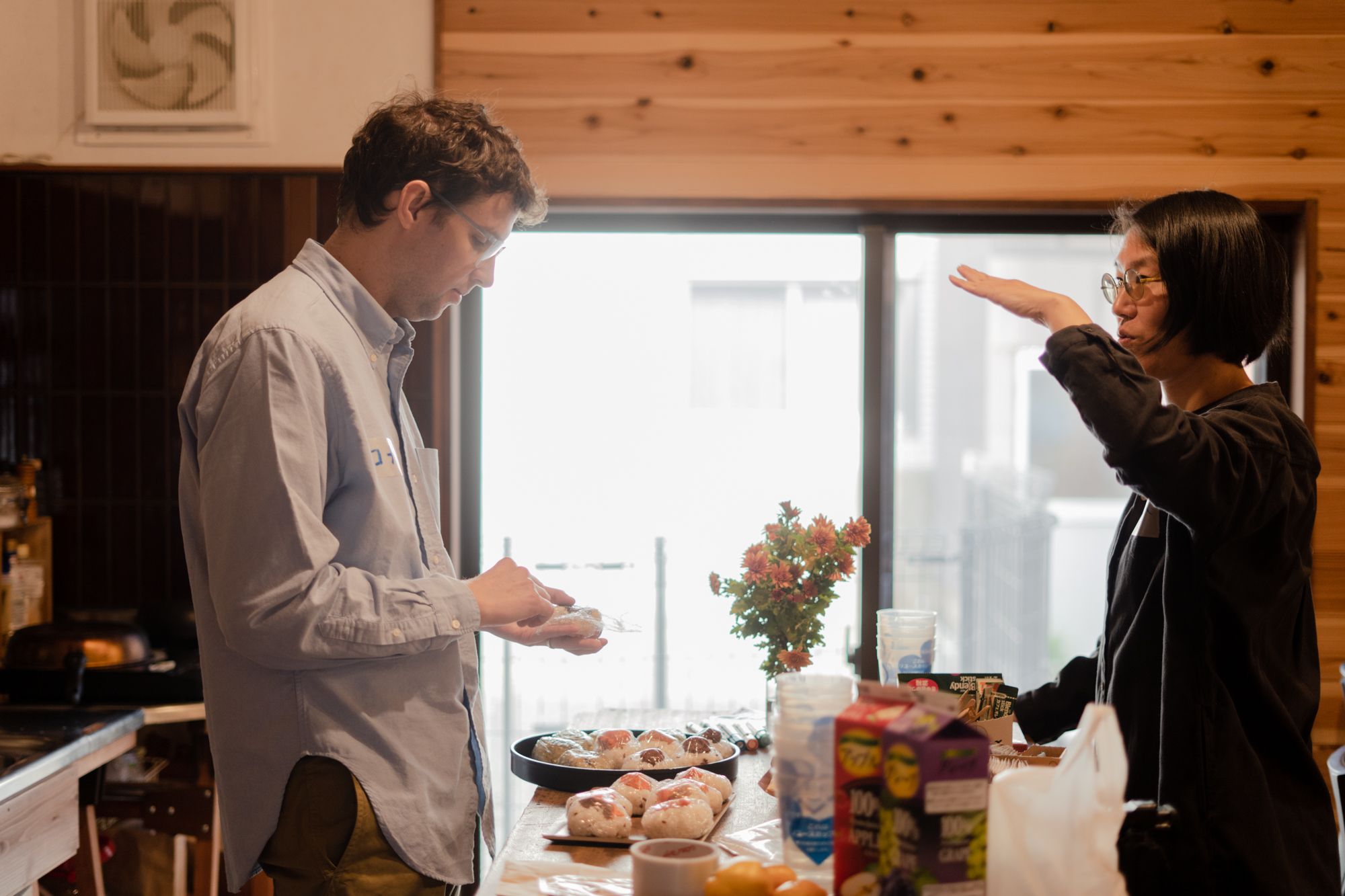
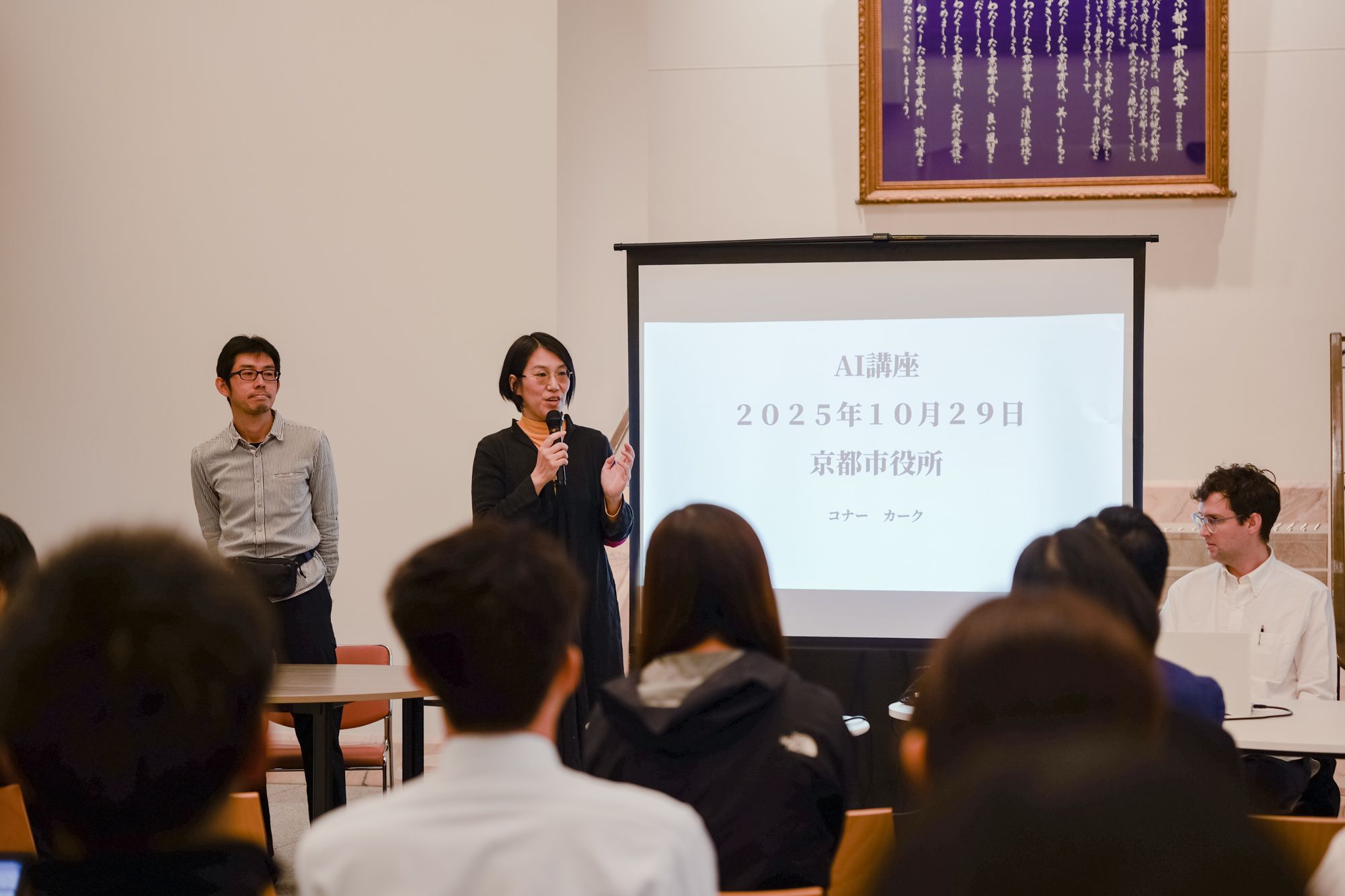
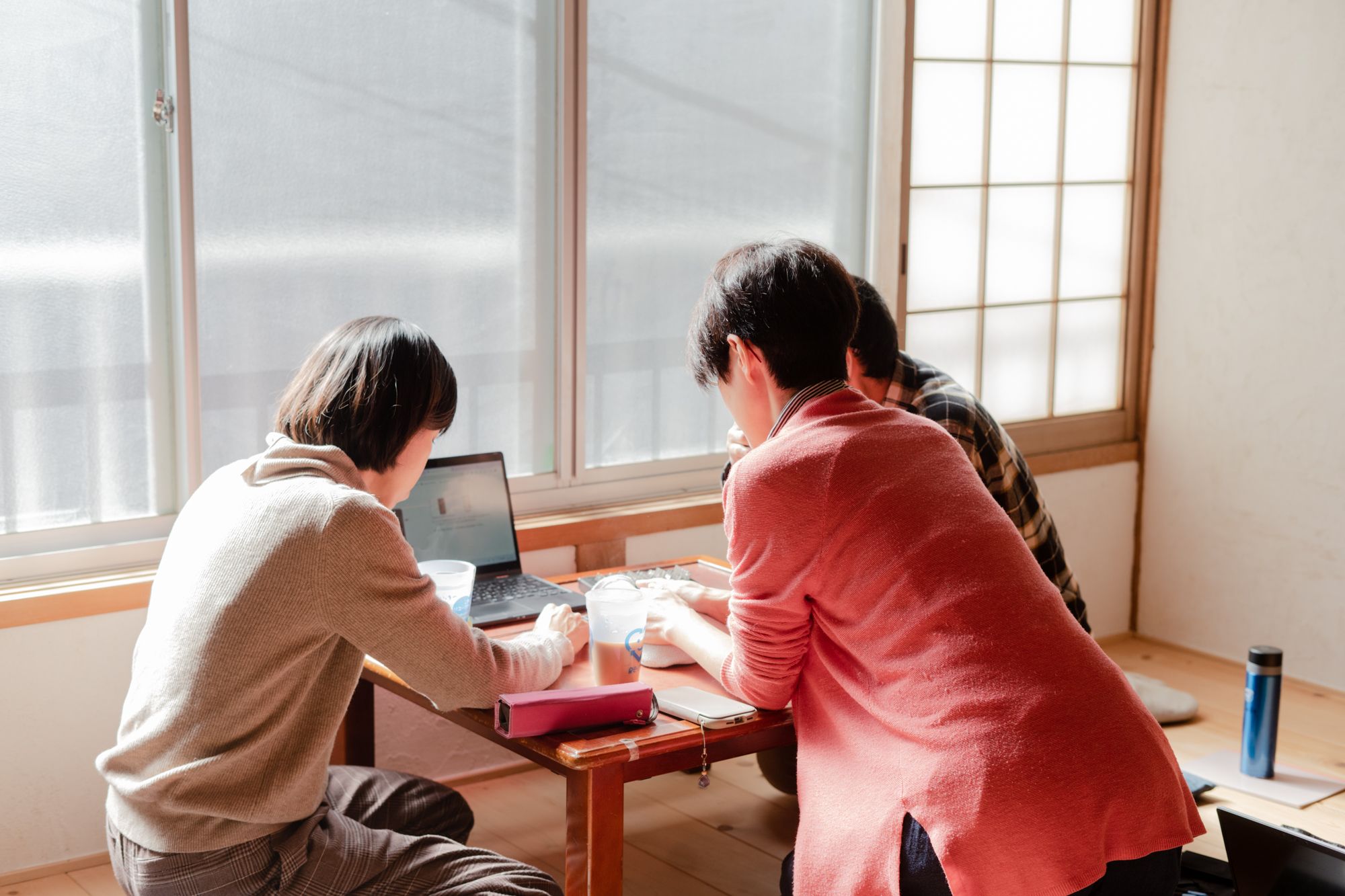
Kazuki
It has been a few weeks since Connor Kirk (hereinafter referred to as the “Connor”) arrived. Now that you have experienced the residency, how does it feel?
Haruka
So many things are moving. Things that had not moved before have suddenly begun to shift.
If Connor had not come, we might have spent this autumn the same way we did last year. But his presence naturally led us to say, “Then let’s try this.” We began organizing events, and through them, new connections formed. For that, we are truly grateful.
Yamami
Yes. Of course there are challenges. But we are receiving something that more than compensates for them.
Kazuki
It sounds like *** in Residence Kyoto has become an engine, expanding your activities. Concretely, what is driving that expansion?
Haruka
We have gained attention from many different directions. For example, professors from the University of Tokyo and Kyoto University have reached out. Those new connections have been the most significant.
And the projects and ideas that emerged from working alongside Connor are things we absolutely could not have created on our own. Because we were able to spend this time together, we are now holding what may well be the world’s first workshop exploring repair through the lens of repairability scores. That feels incredibly meaningful.
Kazuki
As HINODEYA continues to expand its network and activities, is there something you are ultimately aiming toward?
Haruka
For some time, I have wanted to work on the repairability score movement that has already begun internationally, and to see repair cafés become more widespread in Japan. But I do not believe in simply multiplying initiatives for the sake of numbers. If we bring something into Japan, I want it to consciously incorporate Japanese culture and sensibilities.
In that sense, having Connor here was ideal. I have experienced moments in the past when speaking with people from Europe or the United States where, on the surface, it felt like we understood each other, yet somehow we were subtly misaligned the entire time. Connor is different. He has lived in Japan, his wife is Japanese, and he himself carries a sensitivity that feels partly Japanese. He holds both Western and Japanese characteristics, which makes him a rare presence.
He also speaks Japanese. If everything had been conducted only in English, I do not think we could have moved at this pace.
Because of Connor, we have been able to go deeper into what we truly want to pursue, rather than remaining at a surface level. During this month, we drastically raised the priority of repair in our work, something we had not managed to do before. The focused timeframe of the residency allowed us to concentrate fully, which in turn generated new connections and deeper reflection.
Yamami
I feel that this initiative may eventually connect to the future direction of our company itself. We have been able to receive and cultivate many “seeds” for what comes next, through the people we have met and the ideas we have created together.
YC NOTE | Kazuki
I had been working with the two of them even before the creator arrived, and I still vividly remember how meticulously they structured the schedule in order to make the most of the residency.
To Overcome “It’s Impossible” ー How the *** in Residence Kyoto Team Connects and Sustains Diverse Actors
Kazuki
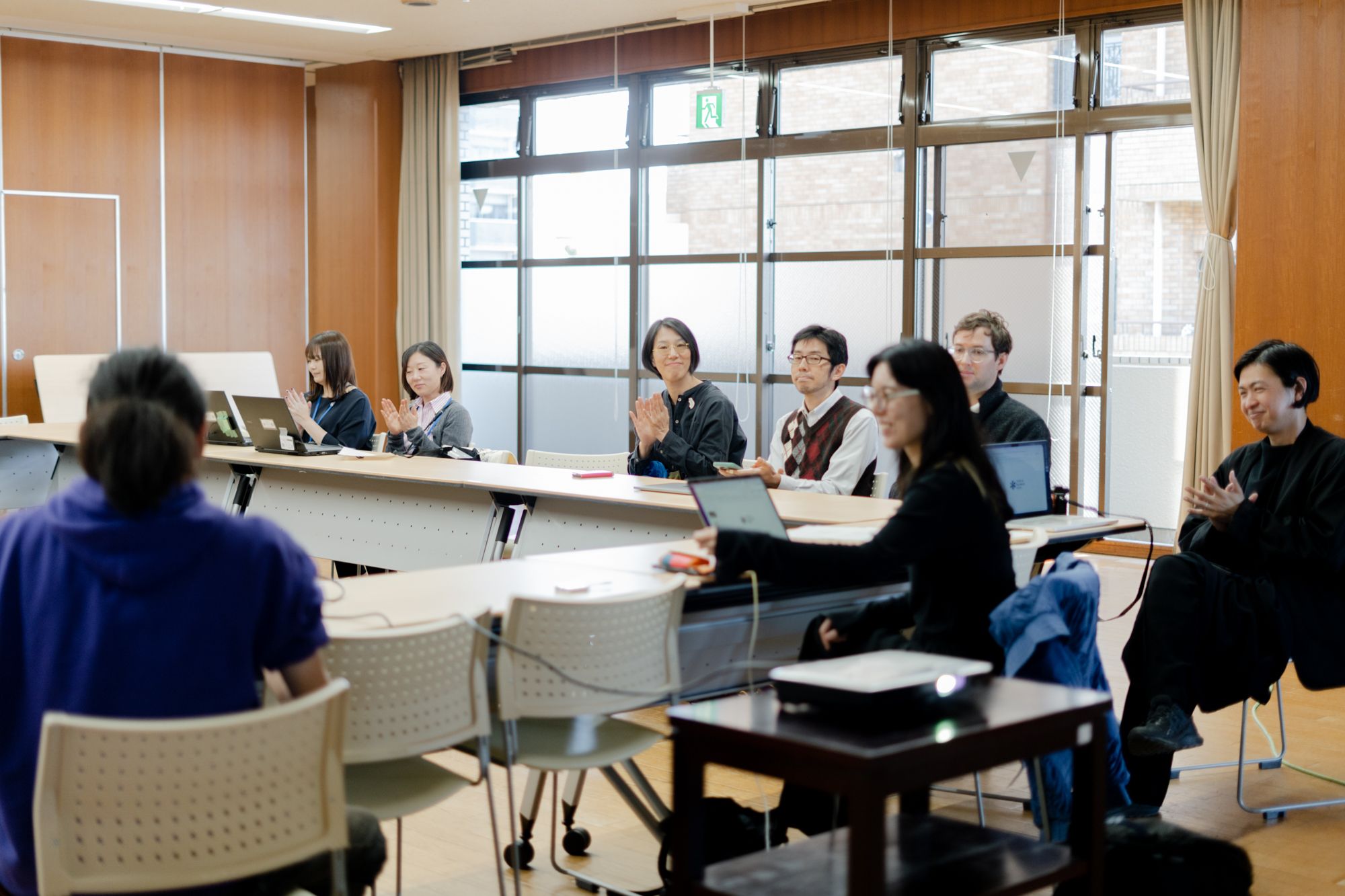
Do you think this residency was possible precisely because it was *** in Residence Kyoto?
Yamami
I believe the presence of the *** in Residence Kyoto secretariat was crucial.
When you attempt something on this scale, people from many different positions and local residents inevitably become involved. In that situation, having the reassurance that the secretariat was there to support us made a tremendous difference. Without that, it would have been honestly very difficult for us to take this on alone.
Kazuki
What kind of support did they provide, specifically?
Yamami
They handled a wide range of communications with the creator, local residents, and various stakeholders. But what left the strongest impression on me was the situation involving Connor’s family.
In his case, it was difficult for him to undertake a long term stay separated from his family in the United States, and he hoped to come with his children as well. However, if a child wishes to attend a local public elementary school, it is generally very difficult under the system for someone without a resident registration to enroll.
Ordinarily, the conversation would simply end with “It’s impossible.” But the secretariat carefully explained the circumstances and negotiated on our behalf. Ultimately, the school agreed to accept his child under the condition that the family reside within the designated area.
It was only because the secretariat undertook those negotiations that this became possible. I imagine it was a difficult coordination process, and the fact that they went that far for us felt truly exceptional.
Kazuki
Would you consider participating again in *** in Residence Kyoto or similar residency initiatives in the future?
Yamami
If there were a similar project again, we would absolutely like to work together. Next time, we might even be able to support in some way ourselves. That said, the duration this time was quite short, and to be honest, that was challenging.
After speaking with Haruka Ozeki and Taku Yamami, we visited Connor at the workspace on the 2nd floor of HINODEYA, where he works, and had conversations with him.
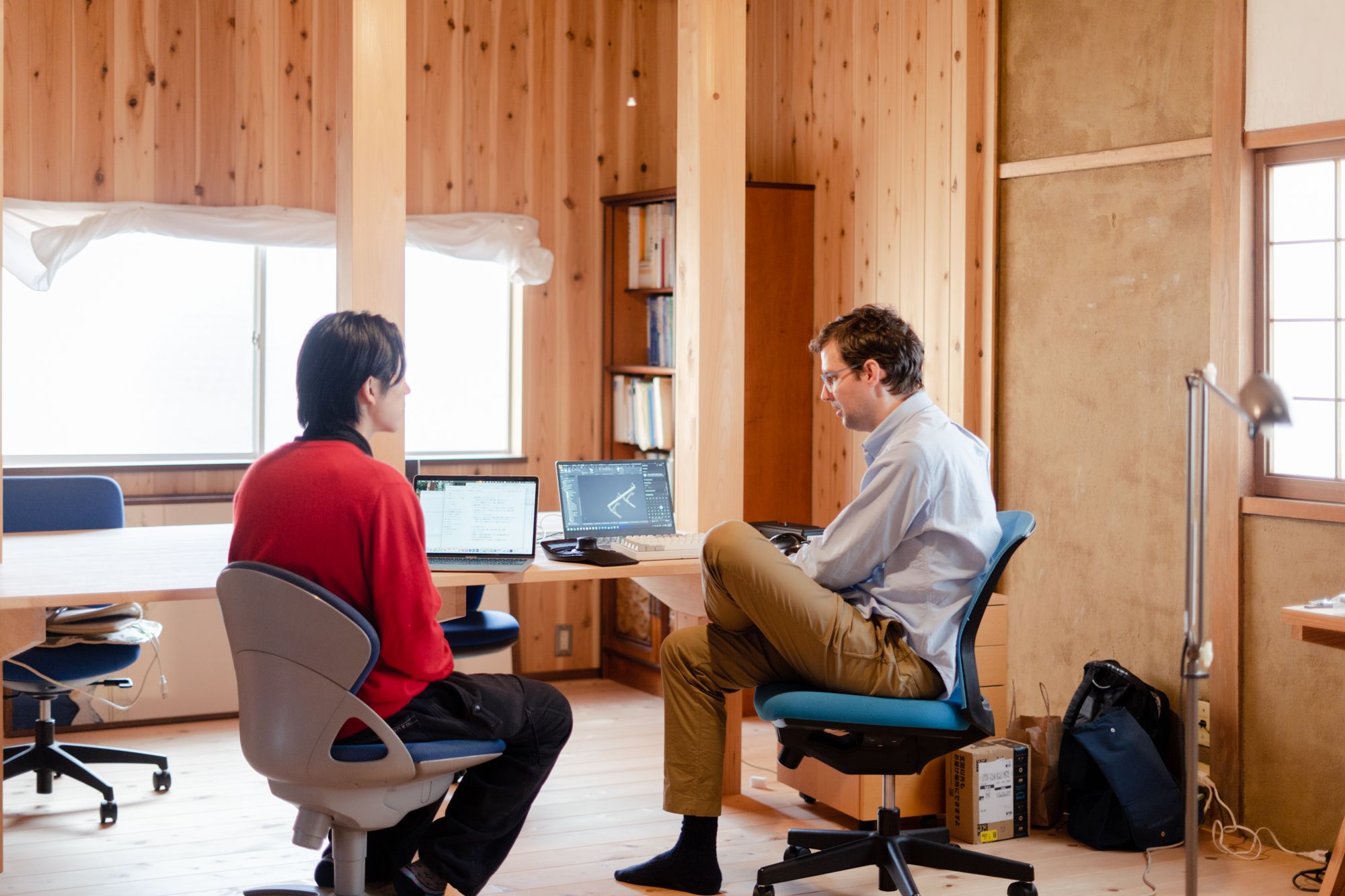
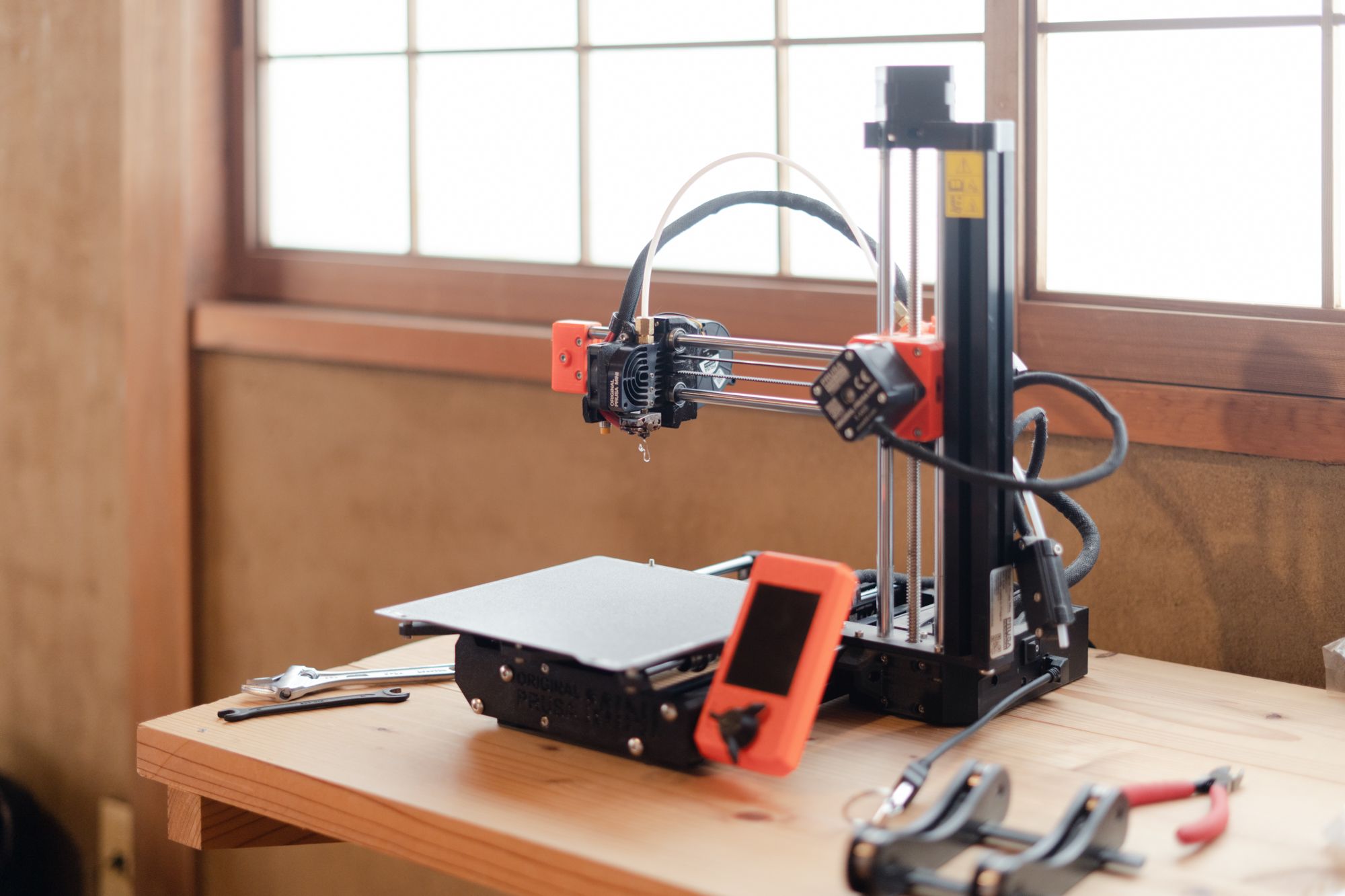
Interview with Creator — Connor Kirk
A Carefully Prepared Month ー Maximizing the Residency Through Focused Intensity
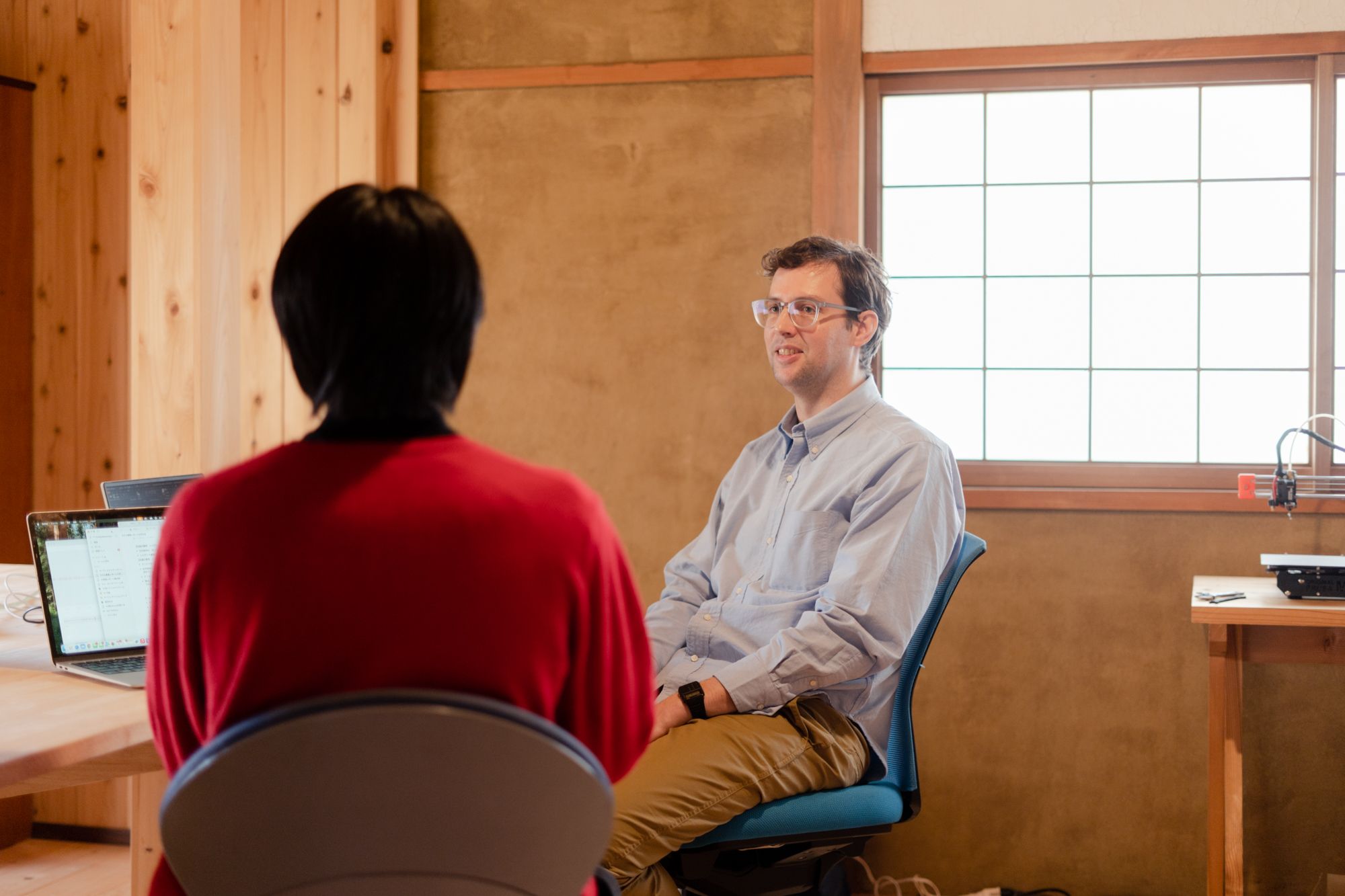
Kazuki
Great job on the Repair Café. Now that you have experienced the residency, how has it been for you?
Connor
I think it has gone quite well. We have received meaningful attention from many people, including researchers from the University of Tokyo. We have built strong connections, professors included.
Kazuki
You have been organizing events and workshops. Was there anything particularly memorable or something you are especially glad you did?
Connor
There was a major difference between this residency and others I have experienced. About three months before it began, we were already meeting online multiple times, talking about how to make the most of the time. From early on, we agreed that within this short one month period, we wanted to create as many meaningful projects as possible. Starting that preparation so early was absolutely the right decision.
Many artist residencies tend to begin with the artist arriving, absorbing the atmosphere of the place, and gradually developing ideas. But that was not our approach. We said from the start, “Let’s create as many meaningful events and projects as we can.” That mindset shaped everything.
Kazuki
I heard you already knew Yamami before this. Did that connection lead to this residency?
Connor
Yes, it did. Years ago, I was involved in launching Kyoto Makers Garage at the Kyoto Central Wholesale Market. I served as its manager for the first two years. During that time, I met him.
Kazuki
I have been to Kyoto Makers Garage as well. A friend of mine works there. I once ran a pop up food project, and we made our shop sign together at Kyoto Makers Garage. So you were part of launching that space. Is this your second stay in Kyoto?
Connor
Yes. The first time was when I was twenty two.
"If you don't put it out there, it doesn't become a part of you" — The confidence born during the residency period
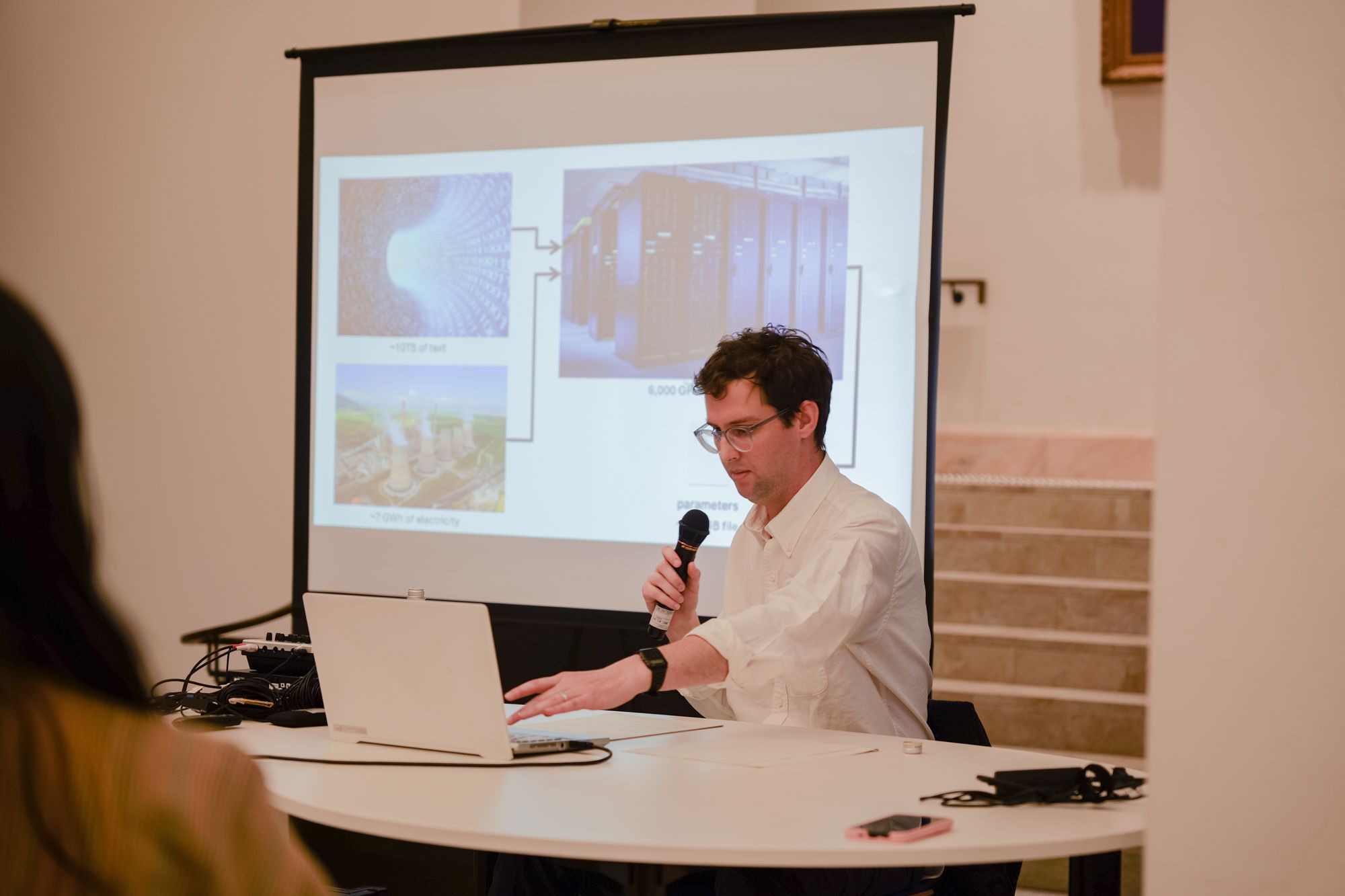
Kazuki
Compared to before the residency, have you noticed any changes in yourself? It could be in your activities or simply in how you feel.
Connor
I have gained confidence speaking Japanese in front of people. Before this, I always felt a bit unsure.
About three months ago, when we started discussing possible projects, Yamami mentioned that on October 23 I would give a 25 minute presentation in Japanese about the repairability score at the ward office. Honestly, inside I was thinking, “Are you serious…?” But I said, “Let’s do it.” And in the end, it went well.
It is really a matter of accumulating those experiences. Even in just three weeks, I can feel how much confidence I have gained.
Kazuki
I had no idea you felt that much anxiety.
Connor
It feels completely different from a few weeks ago. When you immerse yourself in an environment, even for a short time, you can change quickly. Human beings are remarkable creatures.
Kazuki
Through this residency, did you feel any impact on your work or an expansion of your perspective? Was there anything you now feel motivated to try in Japan?
Connor
I strongly felt that unless you output what you have taken in, it does not become part of you. Simply researching is not enough. Only when you explain it to others or give it tangible form does it truly settle within you. During this residency, I had an extraordinary number of opportunities to output.
Kazuki
You really have produced so much during this stay.
Connor
Three weeks ago, I would not have been able to explain the repairability score with this level of confidence. Now I can speak about it with assurance.
Kazuki
During this residency, you organized sessions on the repairability score, repair cafés, and even an AI workshop. How do you introduce yourself in those settings?
Connor
That was actually something I struggled with. For this residency, I tried to redefine myself in words.
It is difficult to decide what to write beneath your name. My primary profession is mechanical engineering, but I want to express that I am more than only that. In the future, I hope to work across a wider range of fields.
Considering "What do I want to leave behind?" — A perspective beyond mechanical engineering
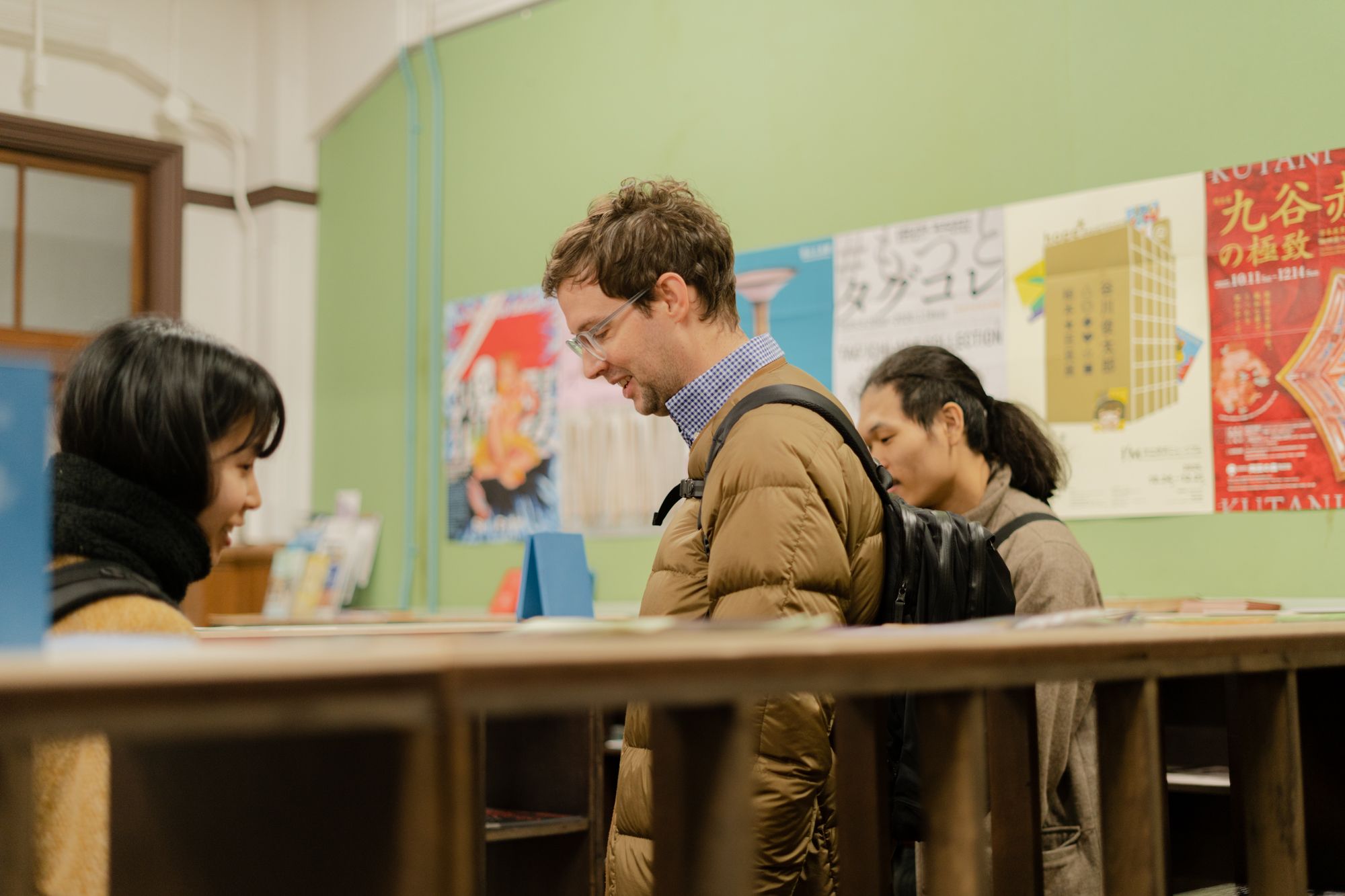
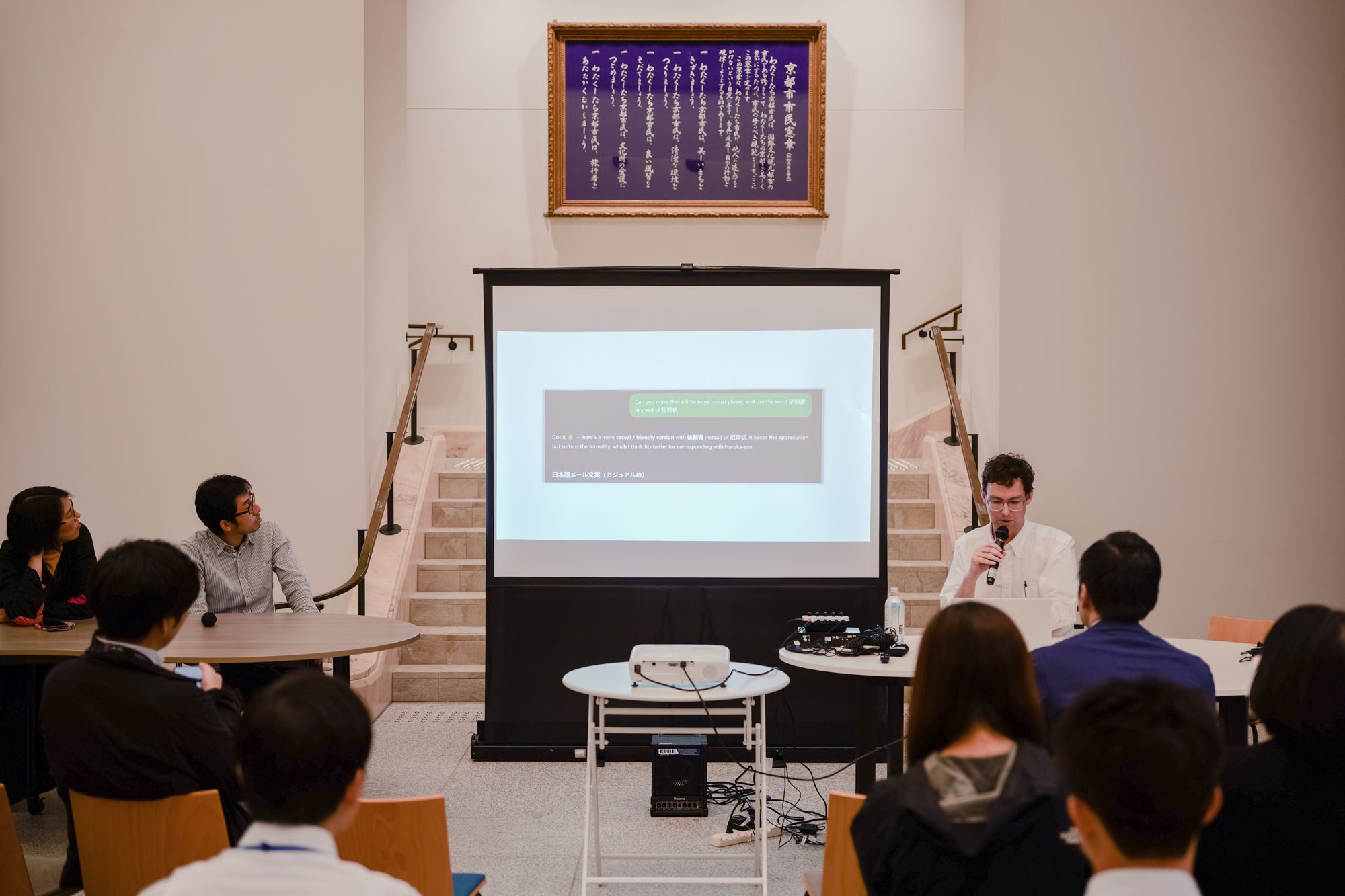
Kazuki
What drives you? Is there a vision of society you are working toward? Through your activities, what kind of future do you hope to leave behind?
Connor
That is something that is still evolving in my mind.
The repairability score and environmental issues are certainly important themes for me. But on a more personal level, I have three children, and raising them has made me think deeply about education.
I was speaking with Haruka and Yamami recently about concerns regarding how technology is taught in schools. Giving a computer or an iPad to an eight year old with complete freedom, without ensuring they understand how it works, feels somewhat irresponsible to me.
At the same time, I do not want to reject technology itself. What I believe is necessary is a space where teachers, consultants, and governments can come together to seriously consider how technology should be taught to children.
Kazuki
It sounds like your children have had a strong influence on your thinking.
Connor
There have been reported cases where children who felt they had no one to consult turned to AI, and in tragic instances, it led to suicide. There is an overwhelming lack of education about how AI actually works and what it is. If more children understood that AI is simply a tool, not a being, the outcomes in some cases might have been different.
That is why I feel there would be great value in working alongside governments and schools to develop AI education programs.
Kazuki
You are right. That kind of education is surprisingly rare. I study data science at university and even learn how to build the databases used to train AI systems. Sometimes I feel a sense of fear about it as well. I truly think this kind of education is necessary.
Connor
We need to teach children clearly that AI is a tool, not a friend.
Kazuki
Regarding the projects you carried out during this residency, how do you feel about their connection to the local community? And what has your experience been in engaging with policy, such as your work with the city office?
Connor
There is definitely a growing number of people who are interested in what we are doing in Kyoto. With the city office as well, I feel we are building relationships that could continue beyond this residency. I sense the potential for these connections to develop into something lasting in the future.
When a creator arrives from abroad, shares the same space, and spends time in conversation, something begins to shift. The outputs that emerge from those exchanges gradually move forward what once felt immovable.
I came to feel that the true appeal of a residency lies precisely there — in its ability to become the catalyst for such quiet but undeniable change.