Where Life and Creators Meet in Kyoto’s Satoyama
The Japanese version of this Article can be read from here!
“*** in Residence Kyoto” is a residency program built on shared time. It brings together international creators and local residents of Kyoto to live alongside one another — exchanging daily rhythms, learning mutually, and slowly cultivating new values and relationships.
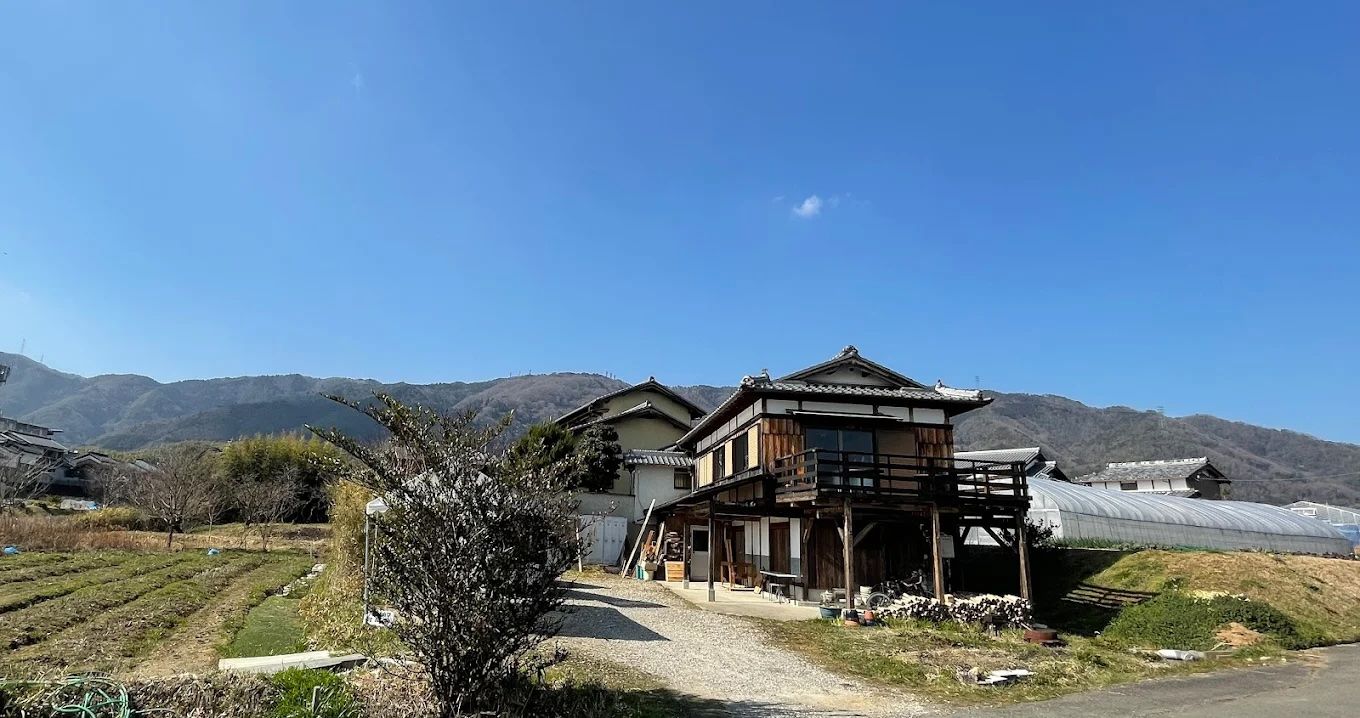
In 2025, two artists from South Korea spent approximately one month in residence at OHARANO STUDIO GALLERY, located in Oharano in Kyoto’s Ukyo Ward.
One is AI artist Juhyun Hwang. The other, documentary filmmaker Kim Taehyun.
The studio is run by fellow artist Bae Sangsun, who has shaped it into a site for quiet experimentation and cross-cultural dialogue.
Surrounded by bamboo groves, Oharano carries a stillness that feels increasingly rare. Slightly removed from central Kyoto, this satoyama landscape moves at a gentler pace. Nature remains close; time feels unhurried.
The artists shared that the scenery reminded them, in unexpected ways, of landscapes from their own homeland. There is something in Oharano’s vastness, its openness, its quiet continuity, that seems to affirm their philosophical approach to making. Here, Kyoto’s scenery and everyday life can be observed without urgency, without spectacle. The environment allows attention to settle, and perception to sharpen.
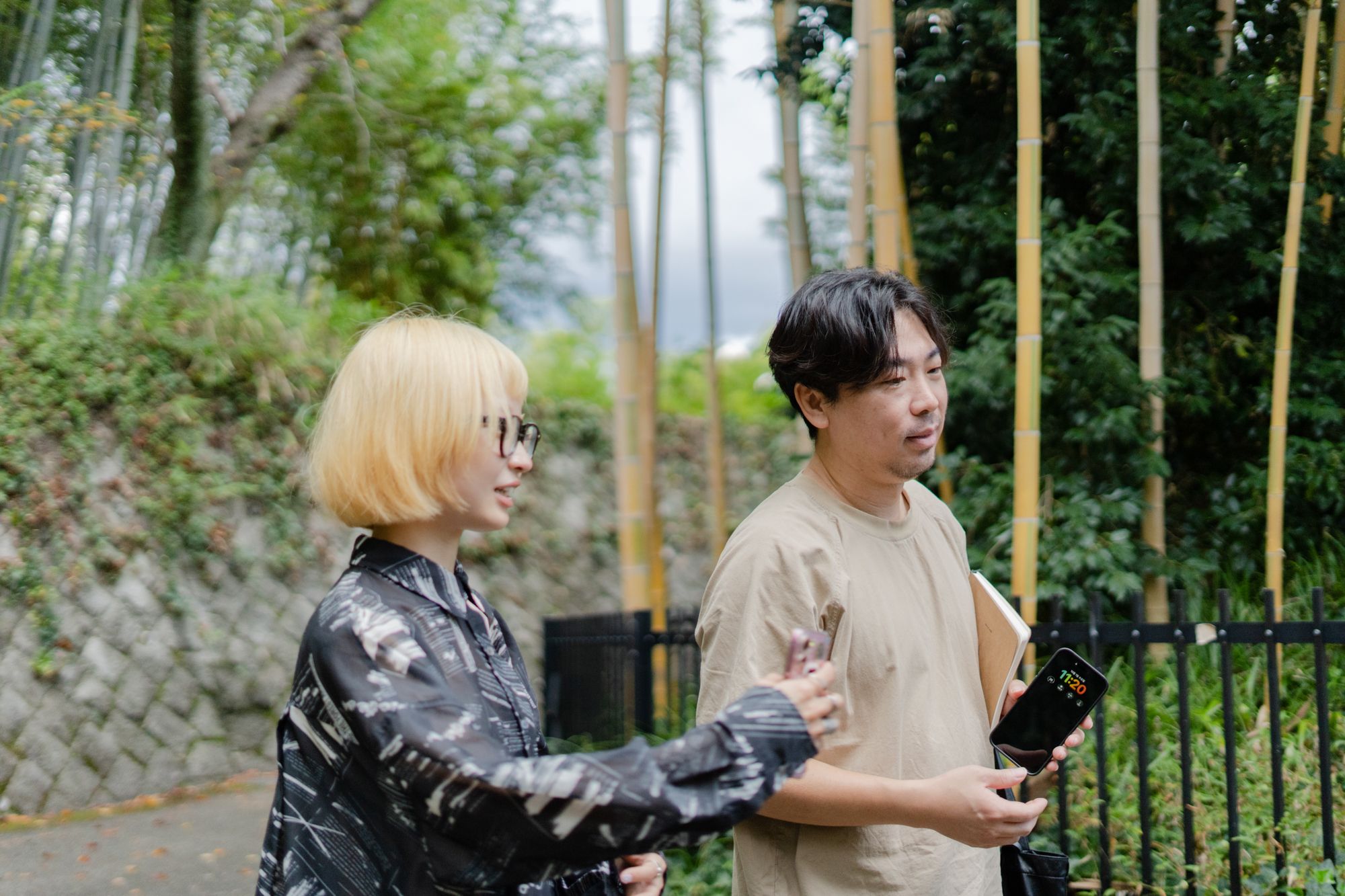
On one particular day, the creators, residency owner Bae Sangsun, and members of the local community walked together through Oharano’s iconic bamboo grove. Youth Coordinators Kazuki Yamamoto and Xian Ukin followed closely, tracing the memories of the residency as they unfolded step by step, conversation by conversation.
- Interviewer & Article Writer / Youth Coordinator
Throughout this article, we have interwoven 🌀 YC Notes 🌀 written by the Youth Coordinators of *** in Residence Kyoto. Spending time alongside the creators and the residency owner, they observed the days from a position that was both inside and slightly askew — close enough to feel the texture of each exchange, yet distinct in perspective.
INDEX
CreatorResidenceInterview with Residence Owner
ー Bae Sangsun, OHARANO STUDIO GALLERYCultivating "A Place for Artists" Together. A Month of Preparation.Creating a space for artists in the satoyama of OharanoInterview with Creators
ー Juhyun Hwang, Kim TaehyunTwo creators exploring ways to express memory and time in Kyoto【 Juhyun Hwang 】 Philosophy of Memory, Existence, and PermanenceAffinity with the "Layers of Time" in Kyoto/Oharano【 Kim Taehyun 】
Interview with Residence Owner ー Bae Sangsun, OHARANO STUDIO GALLERY
Cultivating "A Place for Artists" Together. A Month of Preparation.
Before the “*** in Residence Kyoto” program began, at the August MEETUP, Youth Coordinator Kazuki Yamamoto met the residency owner, Bae Sangsun.
In September, before the creators had arrived, OHARANO STUDIO GALLERY was already alive with the work of transforming the studio. Up to four days a week, the two were engaged in building chairs, renovating the floors and ceilings of the living room, working on the doors of the bath and toilet, and even plastering the walls. Originally Bae Sangsun’s own studio, used for friends’ stays and exhibitions, this space was being transformed into a residency that could welcome artists from around the world.
Why open a residency in this rural area of OHARANO STUDIO GALLERY? Bae Sangsun explains, “Artists need quiet time to reflect on themselves and a rich natural environment.” Based on her own experiences as a creator, Kazuki felt firsthand that she truly designs the space with the artists in mind.
During the renovations, the studio saw a steady stream of creative and interesting people, including architects, photographers, and local residents. The connections Bae Sangsun fostered and the encounters that arose from them became a source of great joy for Kazuki.
Car rides with her also left a strong impression. “I want to live a life true to myself. It’s lonely when people drift away because of that tho…” Even someone who seems strong can show a glimpse of vulnerability. At the same time, Bae Sangsun shared the practical challenges of running a cultural project, from location to audience engagement. For Kazuki, these conversations were invaluable in understanding both the difficulty and the value of nurturing culture.
Love for the community and for the people involved. Watching Bae Sangsun introduce the fascinating people and places of Oharano and build connections, Kazuki felt that his own preparations for the month-long stay in this place were quietly but steadily coming together.
YC Notes | Kazuki
I'm Kazuki from YC, who helped renovate OHARANO STUDIO GALLERY. My memories from OHARANO STUDIO GALLERY include running out of money for the train fare home, gradually feeling like the residence owner Bae Sangsun was becoming like a mother to me (though she definitely wasn't), and getting hooked on plastering.
YC Notes | Towa
Before the creators arrived, I helped with the renovation work at the OHARANO STUDIO GALLERY, just like Kazuki. When Bae Sangsun said she needed extra hands and I shared it with my friends, one of my high school classmates even came all the way from Osaka to join in. Additionally, Mr. Shintani, an administrative scrivener involved with the program, also came to help. I was amazed by Sansun’s ability to gather people and the warmth she brings to everyone around her.
Creating a space for artists in the satoyama of Oharano
In early October, on a day of walking through Oharano, being surrounded by the lush green bamboo of the area naturally eased our thoughts, and conversations with the participants flowed effortlessly.
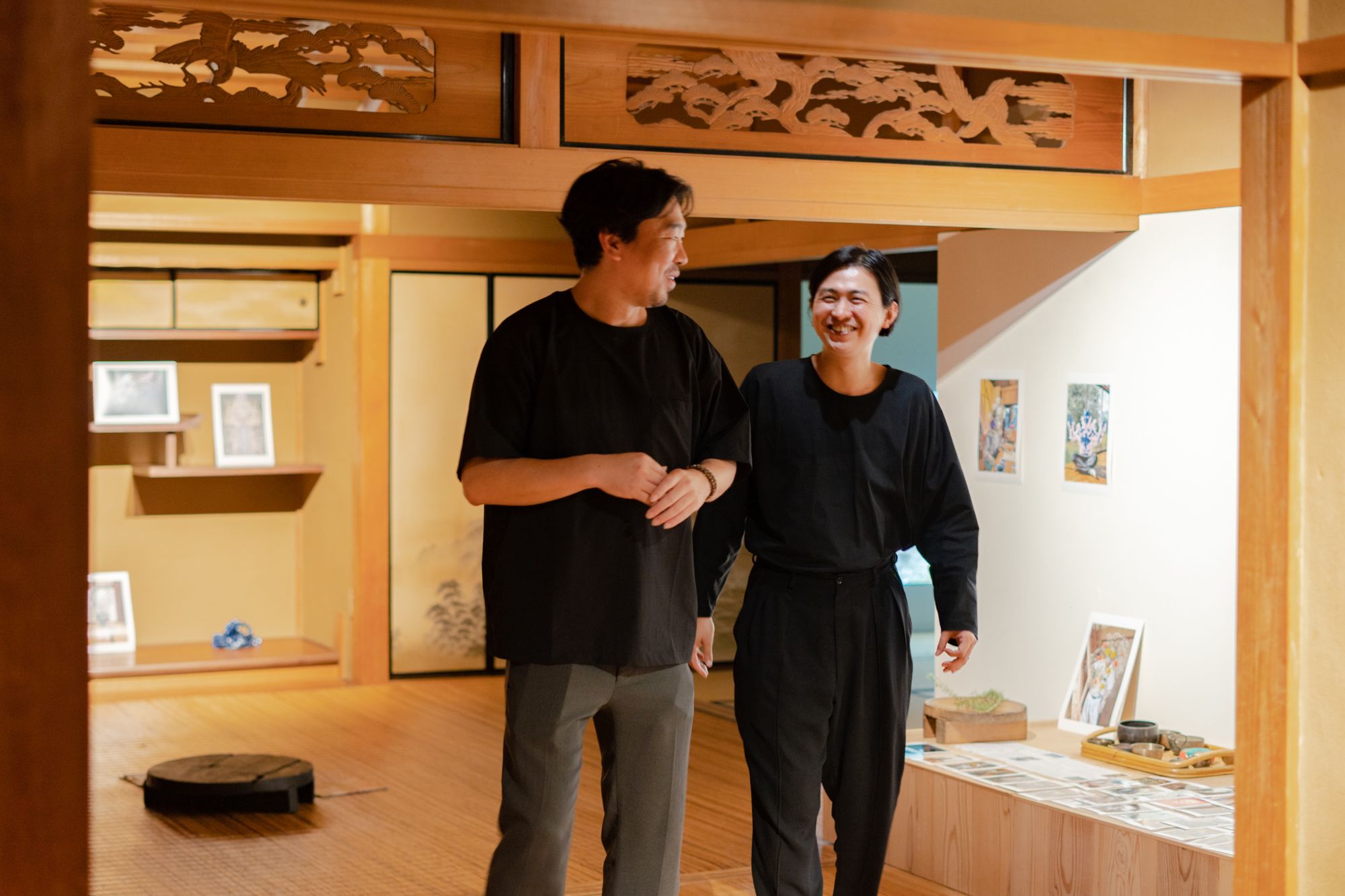
As we strolled through the town, we spoke with the two creators and the residence owner. Despite some language barriers, we had a relaxed conversation, weaving together Korean, English, and Japanese.
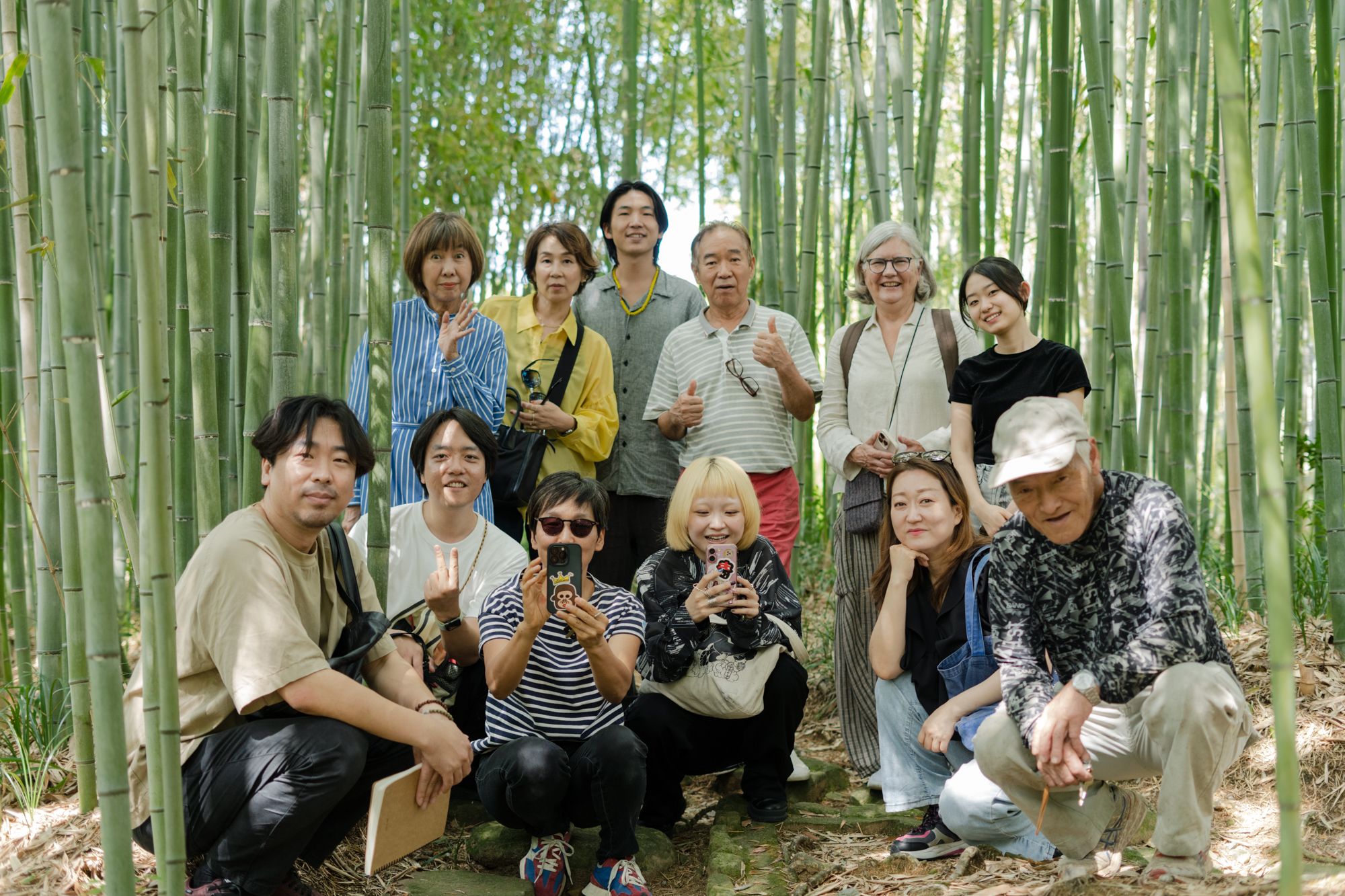
Youth Coordinator: Kazuki, Ukin
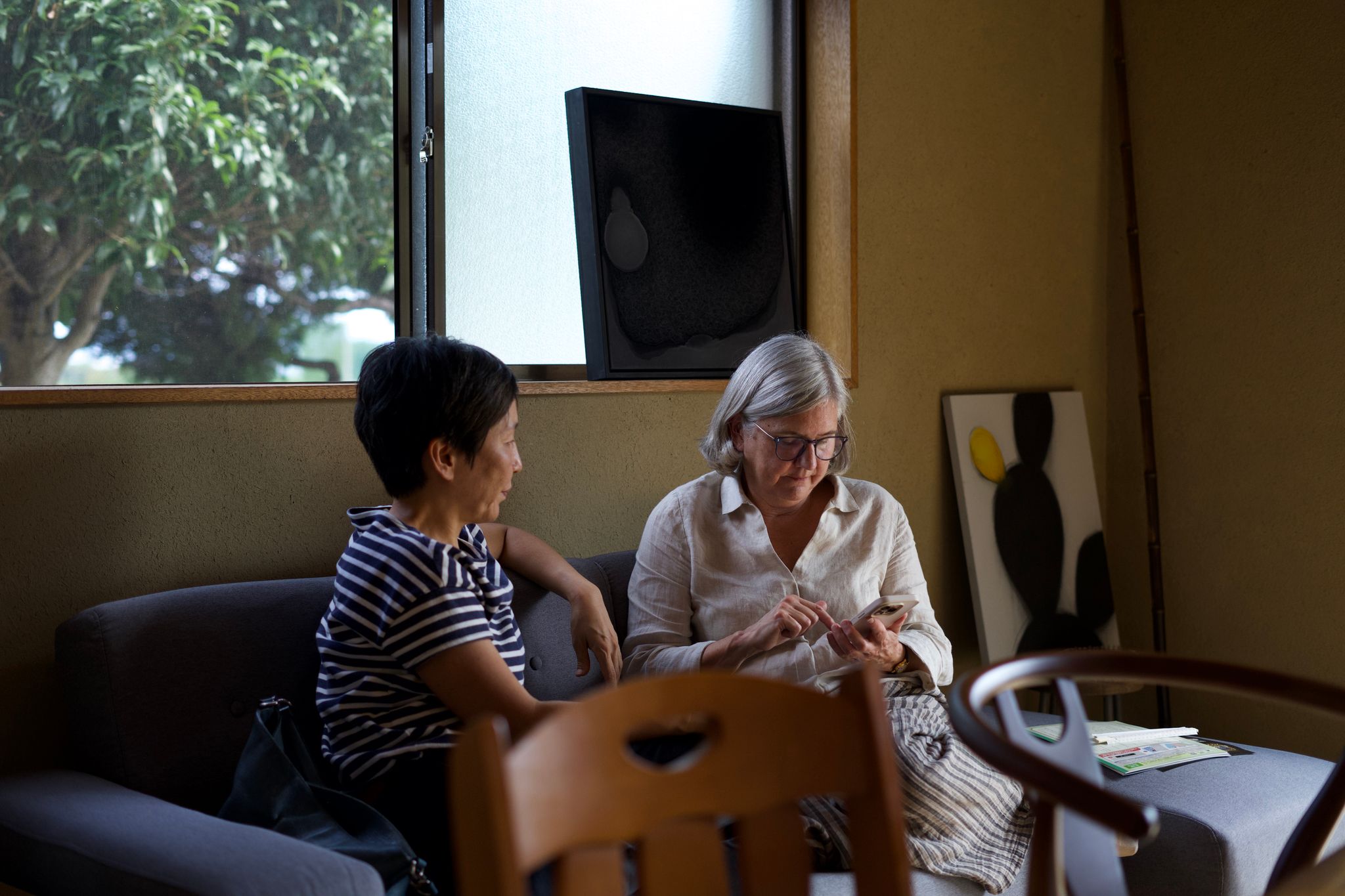
Please tell us what inspired you to create a residency facility in Oharano and your thoughts behind it.
Bae Sangsun
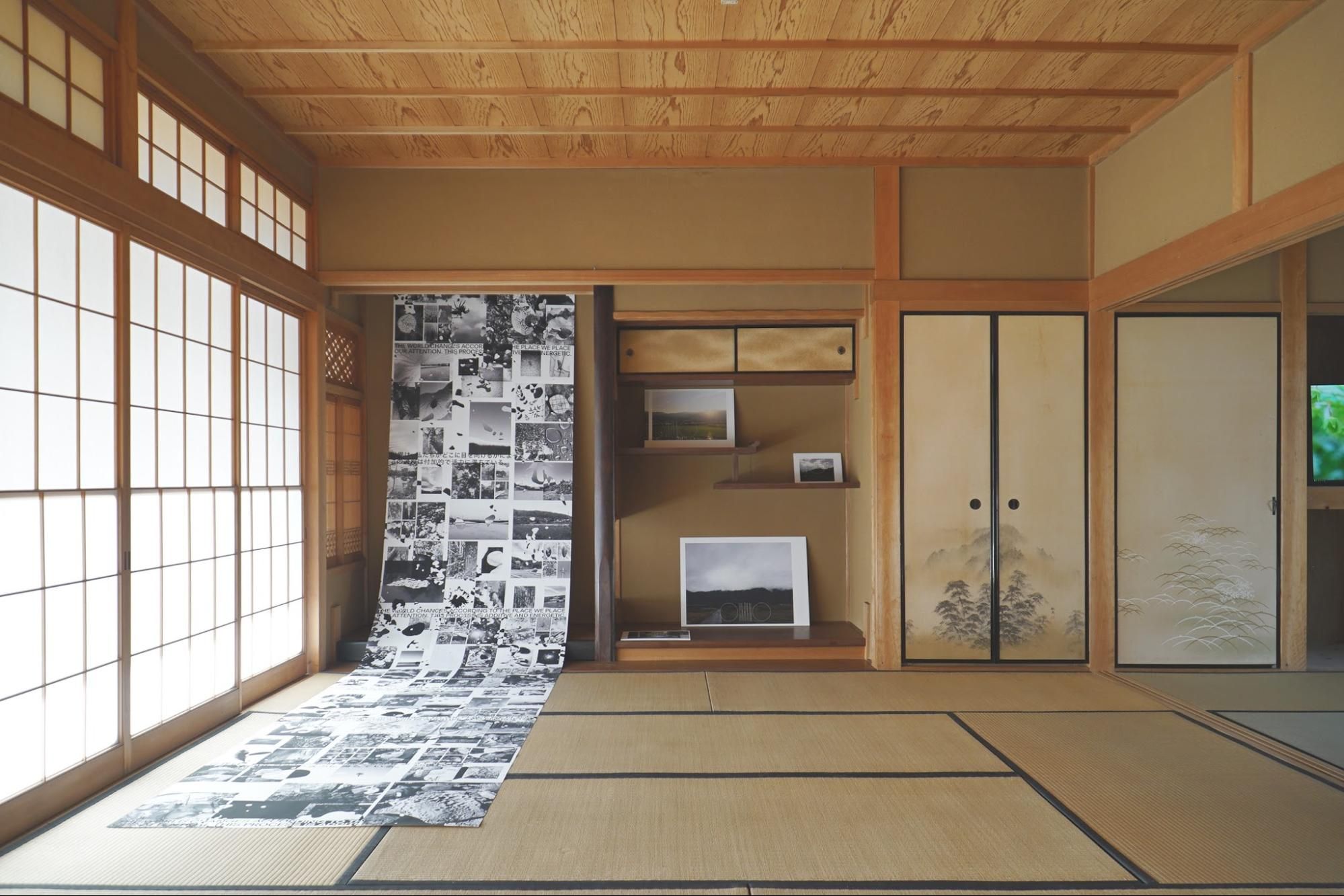
I believe artists need a quiet place to work. As a creator myself, I sometimes find I can't do anything in noisy environments. That's why I think a quiet place like this is the best possible location for artists to create their work. It's precisely in a place like this that creators can take their time to face themselves, face their work, and produce good pieces. I'd be thrilled if artists from all over the world could come here. After coming to Kyoto, I would visit tourist spots, but I wanted a quiet, rural mountain setting where I could truly face myself while creating. That's why I started using this place as a residency.
Interview with Creators ー Juhyun Hwang, Kim Taehyun
Two creators exploring ways to express memory and time in Kyoto
【 Juhyun Hwang 】
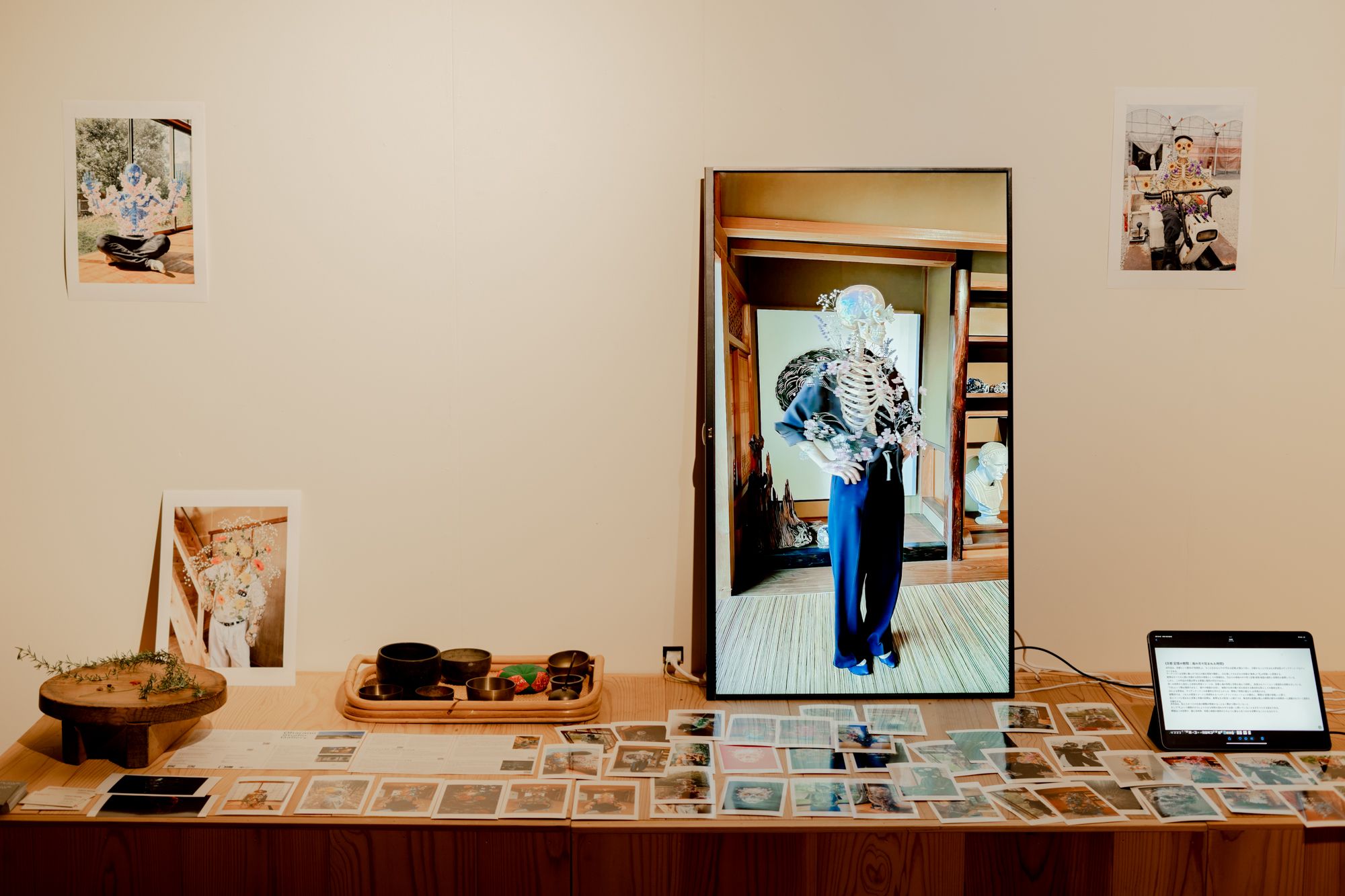
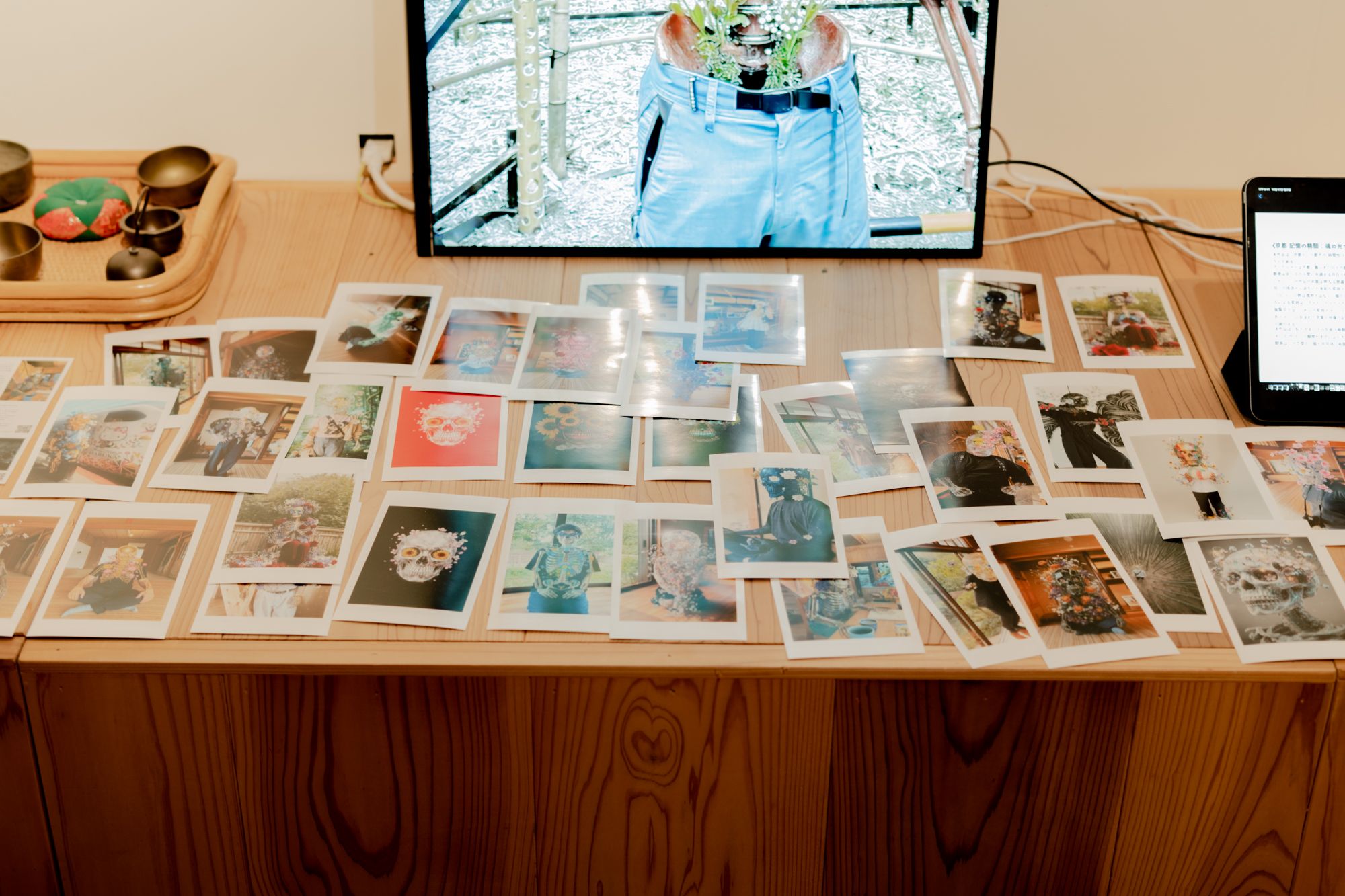
Juhyun Hwang (hereinafter referred to as the “Juhyun”)engaged in participatory creation using an AI program she developed, while connecting with the backgrounds and memories of people living in Oharano, Kyoto.
Juhyun engaged in participatory creation using an AI program she developed, while connecting with the backgrounds and memories of people living in Oharano, Kyoto.He asked participants who came to the site to choose their favorite spot and pose freely, then took their photo. The photos appeared like everyday commemorative shots, seemingly unaltered in composition. When participants entered "Name, Favorite Place, Favorite Word" into the AI program, images began to generate.
The images showed skeletons superimposed over human bodies, with colorful flowers sprouting from every gap and space. The unique variety, size, color, and combination of flowers for each person symbolized their individual life story and beauty. The unconscious thoughts hidden within the words were picked up and visualized through the AI program's mechanism.
Juhyun
I enjoy visualizing unconscious forms, and I have been exploring related work for a long time. This project is an AI-based, audience-participatory work that visualizes the “essence of memory” of people living in Kyoto, a city with a rich historical background.
The work invites people from diverse backgrounds to participate. Through this residency, I aim for 100 residents of Kyoto to engage with the project.
The skeleton represents the universal essence of existence beyond individuality, while the flowers that bloom within it symbolize each person’s unique life story and beauty.
While our physical bodies are finite, memory and experience transcend physical form and endure. This philosophical foundation presents the recognition that every moment we live already belongs to an eternal dimension. This work visualizes the significance of individual existence through light within Kyoto’s layered sense of time, and I see it as an exploration of the essence of ourselves as we live unconsciously.
Philosophy of Memory, Existence, and Permanence
Juhyun
I was interested in existence itself. Your existence isn't just your physical body, but something more like a soul. I believe it's composed in different forms depending on elements like the passage of time and place.
Juhyun shared these thoughts while walking during the tour. They were deeply romantic words I could relate to.
Affinity with the "Layers of Time" in Kyoto/Oharano
Juhyun
I think people's memories are recorded in time. It's also a place, it remains as bones, it exists freely in whatever form. This isn't about death and life, but the temporality inherent in existence itself. We unconsciously forget that the people, places, and buildings in Kyoto are where the essence of such memories gathers. I wonder what form it would take if we visualized this with AI. Currently, we're focusing on people, but we want to expand to buildings, nature, and animals next.
【 Kim Taehyun 】
Kim Taehyun(hereinafter referred to as the “Kim”)
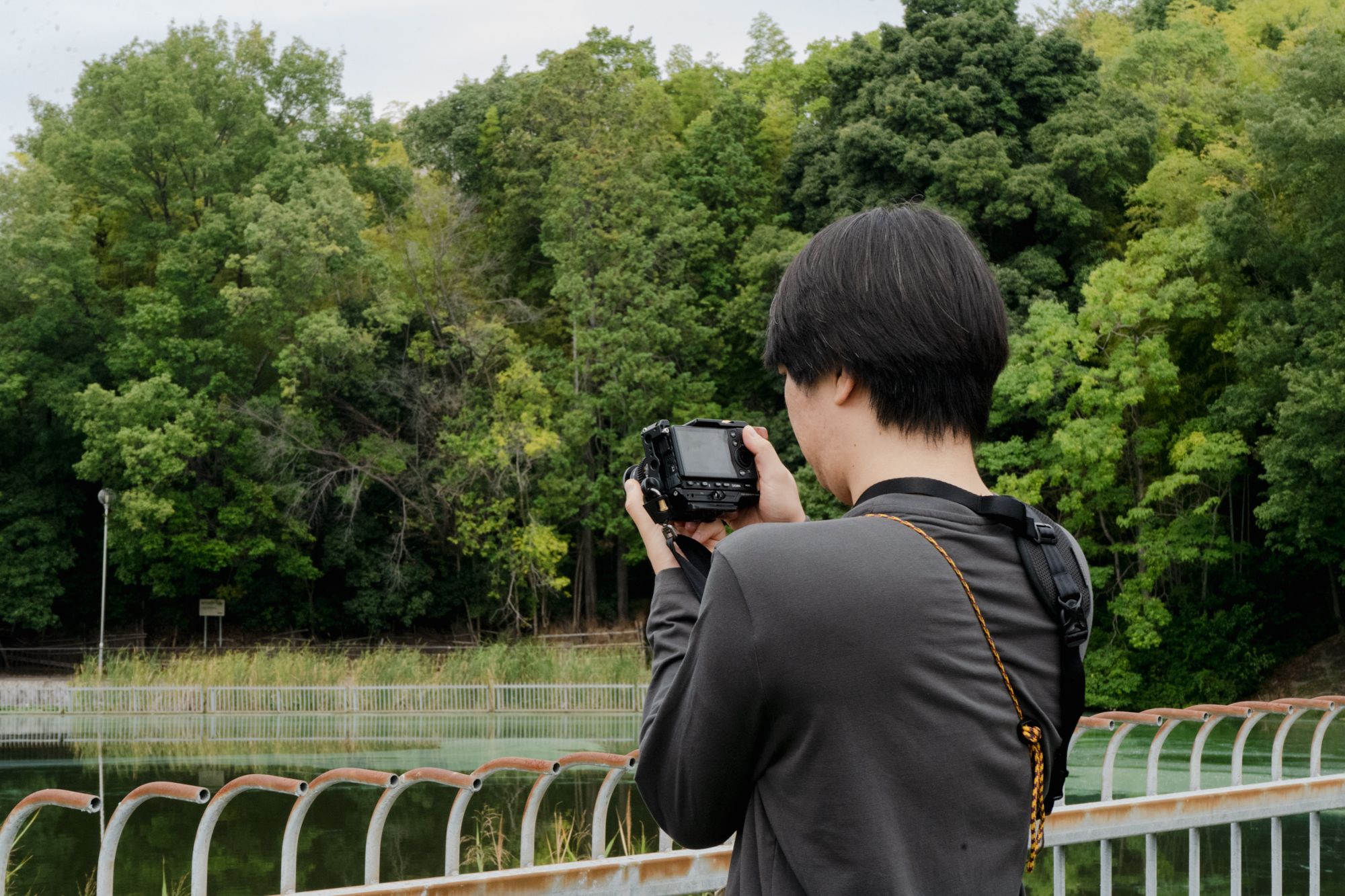
I'm interested in the documentary approach. When taking photos or videos, I focus on how to express the subject, the people, or the thing worth documenting. I don't want to distort the concept of the real world, real objects, or the thoughts of real people. I don't want my expression to create any kind of distortion. That's why I enjoy watching and making documentaries.
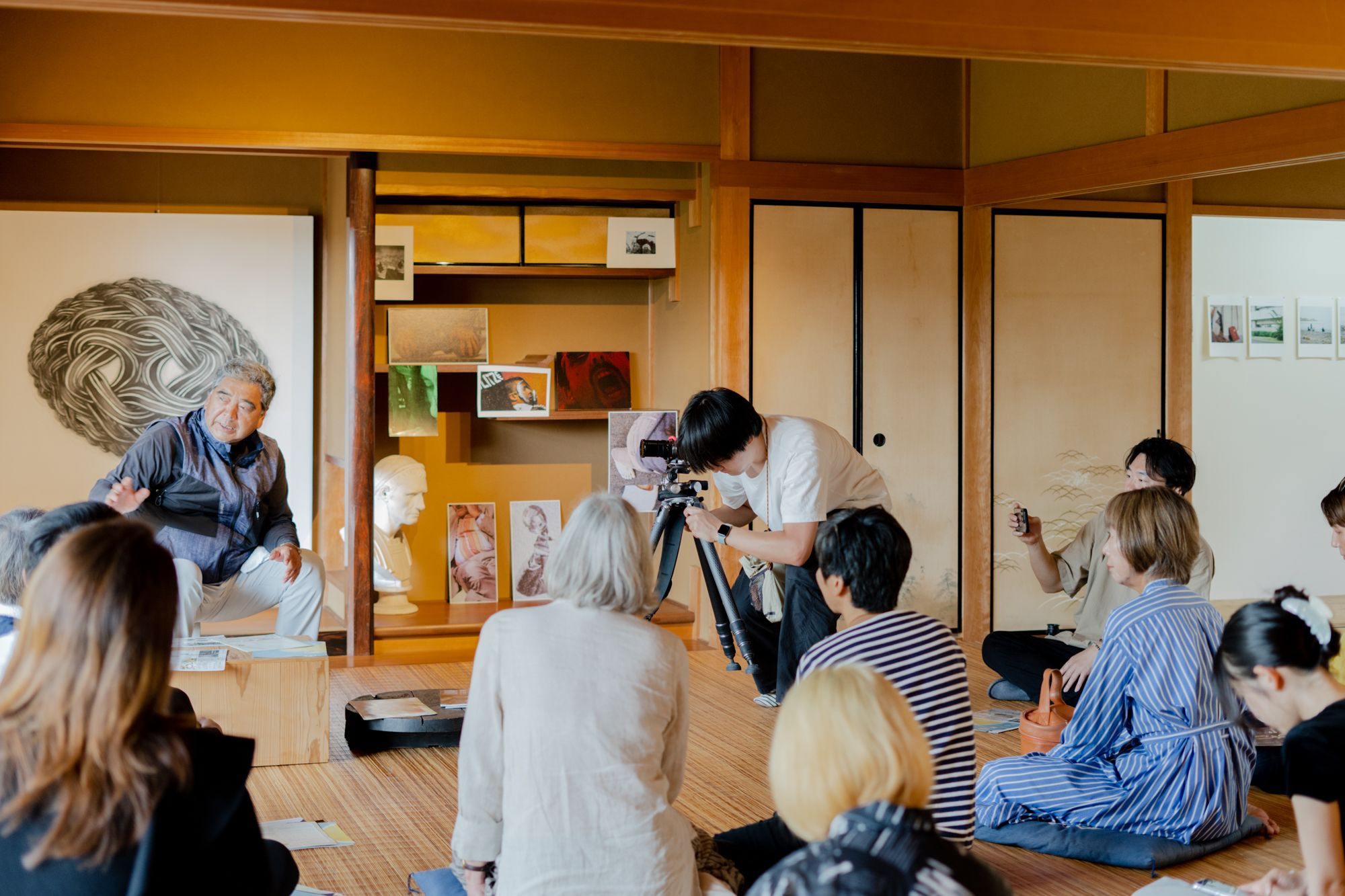
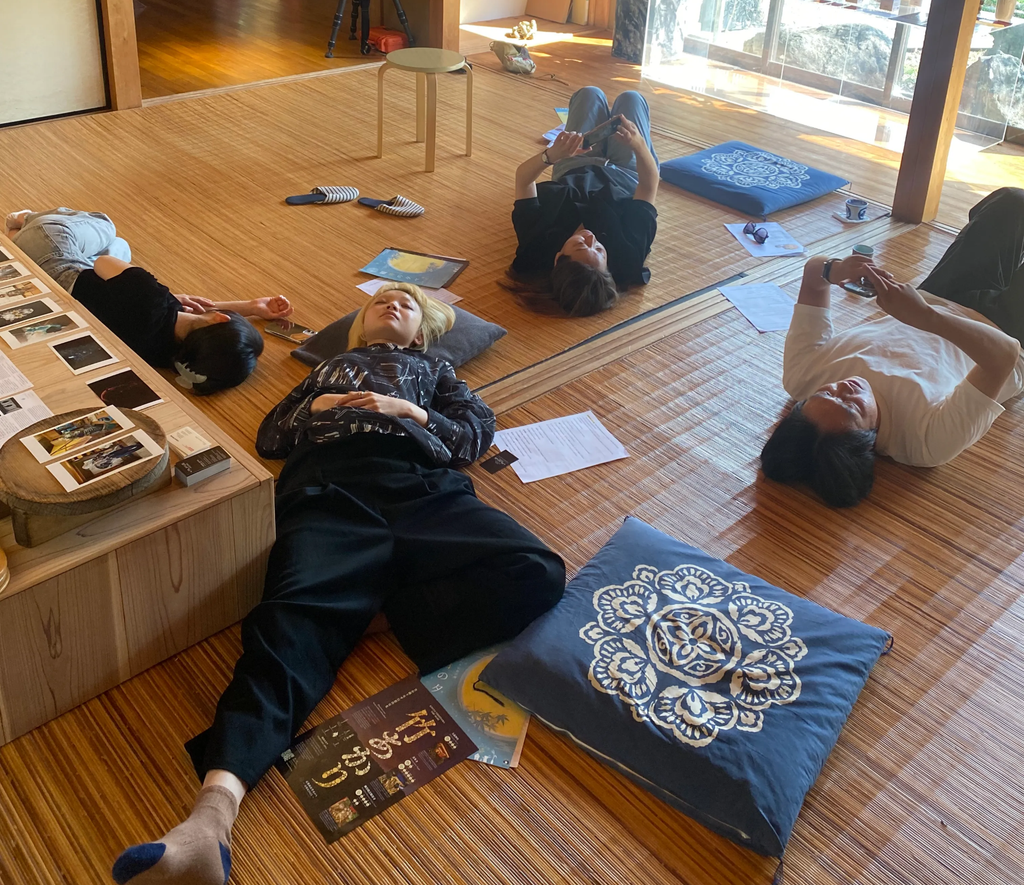
📍Around 3:00 PM, lying on the tatami floor at OHARANO STUDIO GALLERY
Kazuki
Did you experience culture shock when you came to Kyoto?
Kim
Not really. Because I couldn't understand what people were saying to me. I think that's why I didn't feel culture shock. But it was a very natural place.
Kazuki
A natural place? The Ohara area?
Kim
Kyoto. I feel a kind of nostalgia. It feels familiar, I guess. Maybe it's similar to Korea. The scenery, these kinds of trees and parks. That rural feel like Ohara feels familiar to me.
YC Notes | Kazuki
Drawing on my own experience in Kyoto, including working as an assistant for “KG+” and being involved in the photography industry, our conversation with Kim turned to national and administrative support for arts and culture. South Korea is known for its abundance of such subsidies and grants. Compared to Japan, the difference feels significant.
Kim mentioned that he is considering starting a space in South Korea that would function both as a studio and a gallery. I felt inspired to visit Korea and explore such cultural initiatives firsthand.
YC Notes | Towa
I was struck by how impressed ○○, who was accompanying Juhyun, was with the framework of *** in Residence program. What left a strong impression on me was that, ever since participating in the Asterisk Sakaba, they kept mentioning that they wanted to create similar opportunities for coordinator-led exchanges in South Korea.
📍Around 11:00 AM Visiting Kyoto's Rakusai Bamboo Forest Park
Kazuki
Since joining the residency, have you noticed any changes in your mindset or work?
Kim
I don't think it's changed much. Because right now, I'm in the process of establishing my own artistic style. This is an opportunity to rethink my work, my concepts, or my future path.
Kyoto isn't just this city—it's culturally rich... full of things I couldn't experience in Korea. Like festivals, or seeing local people working together cooperatively. I think this should be documented in a documentary. It's also a great chance to broaden my horizons and compare it to what I know and my own culture.
I believe that not changing is also a vital value of this OHARANO STUDIO GALLERY residency. It's surely a place where anyone, no matter their country of birth, can overlay their own familiar places and landscapes. A wonderful place with a veranda where you can hear the chirping of insects from somewhere and feel the sun warming your body.
Creating work not in the midst of tourism, but in Oharano—a place slightly distant from the city.
It is quiet, yet human life continues there: fields stretch across the landscape, bamboo groves are carefully tended, and the sounds of the seasons drift in from everywhere.
OHARANO STUDIO GALLERY, which has been built in this compelling environment and continues to welcome other creators, provides a space to pause and reflect on one’s own time.
It is a place where, upon arriving in a foreign land, one’s stay is not solely for transformation; it is also a place to notice what remains unchanged, and to appreciate continuity.
For the two creators who stayed at OHARANO STUDIO GALLERY this time, Ohharano offers a flow of time in which they can question memory and the meaning of existence, and confront the act of recording and documenting.