境界を溶かし、まちを耕す。令和7年度 モデル事業 6施設が語る「滞在のその先」
Interview by Aika Enoki (MAGASINN Inc.)
Reporting & Text by Chiaki Ogura
Photo by Konami Okazaki (MAGASINN Inc.)
インタビュアー:榎藍香(株式会社マガザン)
取材・文:小倉ちあき
撮影:岡崎こなみ(株式会社マガザン)
Diverse perspectives converge and intermingle in Kyoto’s everyday life.
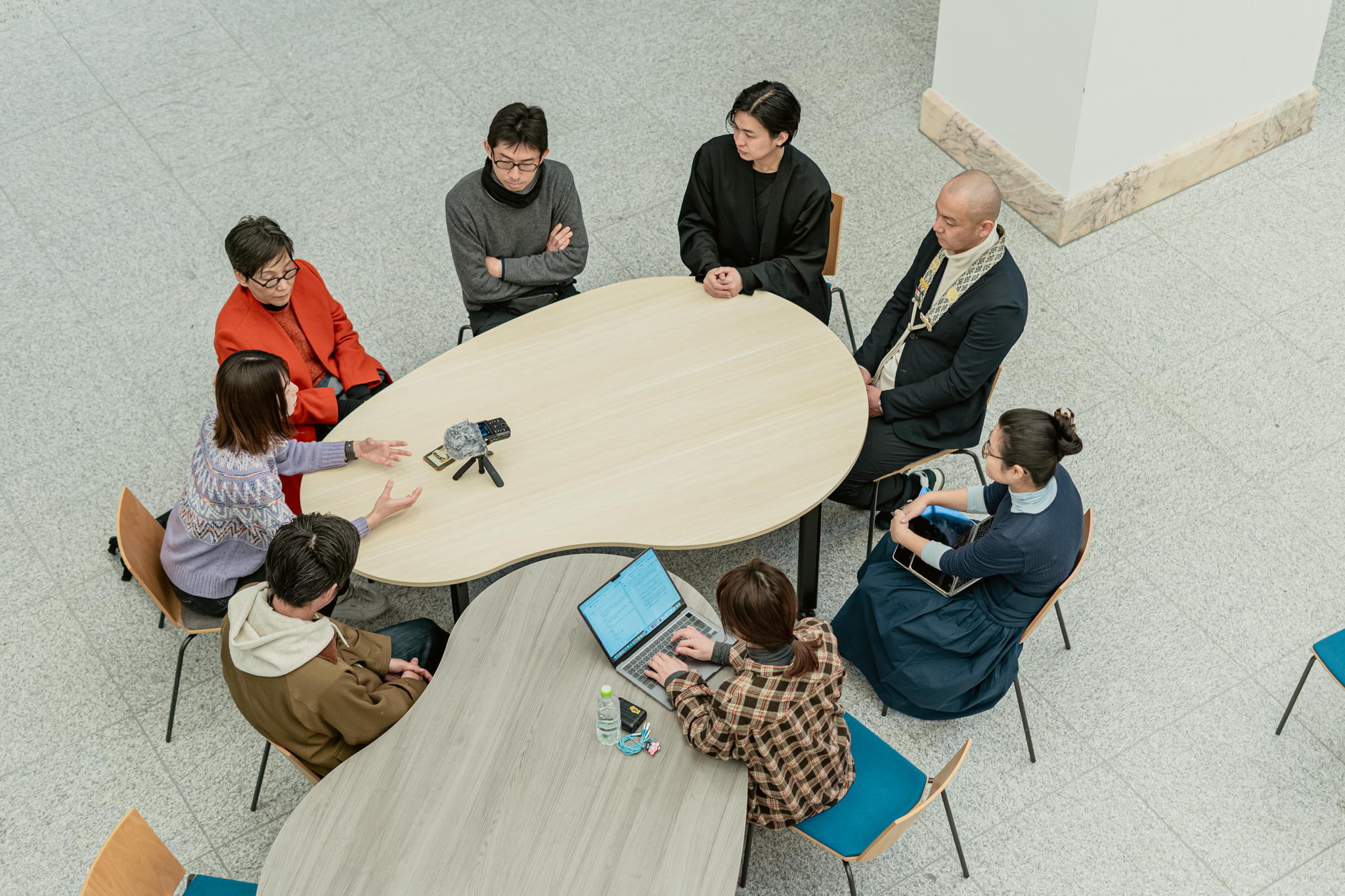
In 2025, the Kyoto City's Pilot Project *** in Residence Kyoto (“Asterisk in Residence Kyoto”) was launched across the city. To mark its conclusion, the owners of the six participating residential facilities gathered for a roundtable discussion, reflecting on the achievements and challenges of the initiatives and sharing their thoughts on the future of Kyoto.
京都の日常に、多角的な視点が混ざり合う。
2025年度、京都市内で実施された「*** in Residence Kyoto」(アスタリスクインレジデンス キョウト)の京都市によるモデル事業。その締めくくりとして、参加した6つのレジデンス拠点のオーナーたちが集まり、実践を通じて得た手応えや課題、そして京都の未来を語り合う座談会が開催されました。
Insights and Transformations: The First Steps Taken by Six Residential Facilities プロジェクトを通じた気づきと変化:6つの拠点が踏み出した一歩
Under *** in Residence Kyoto, a Pilot Project has been implemented from fiscal year 2024 to provide start up support to facilities and operators interested in hosting international creators through residency programs, but who have not yet implemented such initiatives. In its first year, the program welcomed a diverse range of creators — including urban planners and entrepreneurs — from Taiwan, Egypt, India, and France, in collaboration with the owners of four residential facilities. Through this process, what emerged was the importance of having legal and financial support structures in place, expertise in matching creators with suitable sites, and thoughtful coordination to sustain meaningful exchange throughout the residency period.
In fiscal year 2025, building on these experiences, the program moved into a deeper phase of development. Six residency owners based in Kyoto joined the initiative, and the fields represented by invited creators expanded significantly to include fashion designers, engineers, and medical professionals, among others.
The six residencies that embraced this challenge each reflected a different face of Kyoto, crafting their own distinctive approaches to creative residency.
「*** in Residence Kyoto」では、令和6年度から「モデル事業(Pilot Project)」として、海外のクリエイターを受け入れるレジデンス事業に興味があるものの、本格的に実施したことのない施設・事業者の立上げ支援を行ってきました。初年度は台湾やエジプト、インド、フランスから都市計画家や起業家など多様なクリエイターを迎え、4カ所のレジデンスオーナーと共に歩みました。その過程で見えてきたのは、法律・資金面での支援体制、クリエイターとのマッチングノウハウ、そして滞在中の交流を支えるコーディネートの重要性でした。
令和7年度はこれらの学びを糧に、さらに一歩踏み込んだ展開へ。京都市内に拠点を持つ6つのレジデンスオーナーが参加し、招聘するクリエイターもファッションデザイナーやエンジニア、医療関係など、より多彩な領域へと広がりました。
この挑戦に参加した6つの拠点は、それぞれが京都の異なる顔を持ち、独自の「滞在」を作り上げました。
Introducing Six Residencies and the Project 6つの拠点とプロジェクト紹介
First, we introduce the six participating residency sites and their respective projects.
まずは、6つの拠点とそのプロジェクトについて紹介します。
- 【Umekoji / Real Kyoto Estate】 - Diving into “Everyday Kyoto”
In the Umekoji area, former warehouses and the surroundings of a wholesale market are gradually being transformed into creative spaces through renovation. Rather than presenting Kyoto as a tourist destination, this project welcomed a curator and artist from Cameroon into “Kyoto as lived by its residents” — a neighborhood adjacent to an active market — where they sought to translate the powerful rhythm of everyday life into artistic expression.
【梅小路・京都R不動産】「生活者の京都」に飛び込む
梅小路エリアでは、古い倉庫や卸売市場の周辺がリノベーションを通じてクリエイティブな空間へと変化しつつあります。観光地としての京都ではなく、市場に隣接する「生活者の京都」にカメルーン人のキュレーターとアーティストを迎え、日常の力強いリズムを作品へ昇華させる試みが行われました。
- 【Funaokayama Park (STUDIO MONAKA) 】- Toward an “Open Park” at the Intersection of Art and Residents
STUDIO MONAKA, an architectural design studio based in Funaokayama, made use of the former administrative office of Funaokayama Park — a symbol of the local community. Under the theme of “dialogue born from the exchange of people and objects,” the lower floor of the park office was opened to the public. Through items brought in by local residents, artists and community members engaged in forms of communication that transcended language.
【船岡山公園(STUDIO MONAKA)】アートと住民の交差点に、「開かれた公園」へ
船岡山の設計事務所・STUDIO MONAKAは、地域のシンボルである船岡山公園の旧管理事務所を活用。「人と物の交換から生まれる対話」をテーマに公園事務所の下階を開放し、地域住民が持ち寄った品々を介して、作家と地域が言葉を超えたコミュニケーションを交わす風景を生み出しました。
- 【OHARANO STUDIO GALLERY】 - Cutting-Edge Technology Blending into Satoyama Landscapes
At OHARANO STUDIO in Oharano, Nishikyo Ward (directed by Bae Sangsun), preparations to host two creators from South Korea began with three months of bamboo grove maintenance and self-led renovation. The resulting projects included an artwork that used AI to transform portraits of 100 local residents. In what is often perceived as a conservative rural area, moments emerged in which cutting-edge technology seamlessly blended into the rhythms of the Satoyama landscape.
【OHARANO STUDIO】里山に溶け込む最新テクノロジー
西京区・大原野のOHARANO STUDIO(べ・サンスンさん)では、韓国人クリエイター2名を受け入れるため、3ヶ月に及ぶ竹藪の整備とセルフリノベーションから着手。地域住民100名のポートレートをAIで変換する作品制作など、保守的と思われがちな農村地帯に最新テクノロジーが溶け込む瞬間が生まれました。
- 【HINODEYA Institute for Ecological lifestyle 】– New Landscapes of Living Shaped by “Family”
A creator based in the United States and his family were welcomed as residents. Weekly workshops on the theme of “repair” were organized as an attempt to draw residency from being a merely one-off “event” toward something closer to everyday “living”.
【ひのでやエコライフ研究所】「家族」がもたらす新しい暮らしの風景
米国で活動するクリエイターとその家族を受入れ。「リペア(修理)」をテーマにしたワークショップを毎週開催し、レジデンスを「イベント」から「暮らし」へと引き寄せる試みが行われました。
- 【Former Nishijin Weaving Factory/ MAGASINN KYOTO 】- Casting New Light on a Traditional Industry
A former Nishijin weaving factory — its time seemingly frozen for more than 30 years after operations ceased — was cleaned, restored, and repurposed as an exhibition space. For accommodation, the project utilized MAGASINN KYOTO, a unique lodging concept described as a “stayable magazine.” A dress created by a French designer after researching traditional materials turned the “weakness” of shrink-prone fabric into a “strength” that produced a beautiful silhouette, offering a fresh perspective to Kyoto’s traditional textile industry.
【西陣織旧工場 / マガザンキョウト】伝統産業に新しい光を当てる
廃業から30年以上時が止まっていた西陣織の織屋(旧工場)を清掃・再生し、展覧会施設として活用。滞在場所には「泊まれる雑誌」マガザンキョウトを活用しました。フランス人デザイナーが伝統素材をリサーチして制作したドレスは、縮みやすい素材の「弱点」を美しいシルエットを生み出す「長所」に変え、伝統産業に新しい視点をもたらしました。
- 【Kurodani Konkai Kōmyō-ji Temple】 - A Temple Embracing the “Questions” of Contemporary Creators
A residential building on the temple grounds that had stood vacant for approximately 15 years was repurposed for the project. A female creator, who also works in the medical field, explored ritual expressions such as requiem and meditation within the temple’s profound stillness. Through this encounter between a historic religious site and contemporary sensibilities, the project created an opportunity to reconsider and redefine the meaning and role of the place itself.
【くろ谷 金戒光明寺】お寺が現代クリエイターの「問い」を受け止める
15年ほど空き家だった寺敷地内の住宅を活用。医療関係者としての顔も持つ女性クリエイターが、お寺の静寂の中で鎮魂や瞑想といった儀式的表現を探求しました。歴史ある宗教施設が現代の感性と出会うことで、場所の意義を再定義する機会となりました。
Exchange Between Local Communities, Creators, and “Youth” 地域とクリエイター、そして「若者」との交流
— To begin, could you share your candid, on-the-ground sense of how it actually felt to connect creators with local communities?
ー まずは、実際に「地域にクリエイターを接続する」という部分でのリアルな手応えを教えてください。
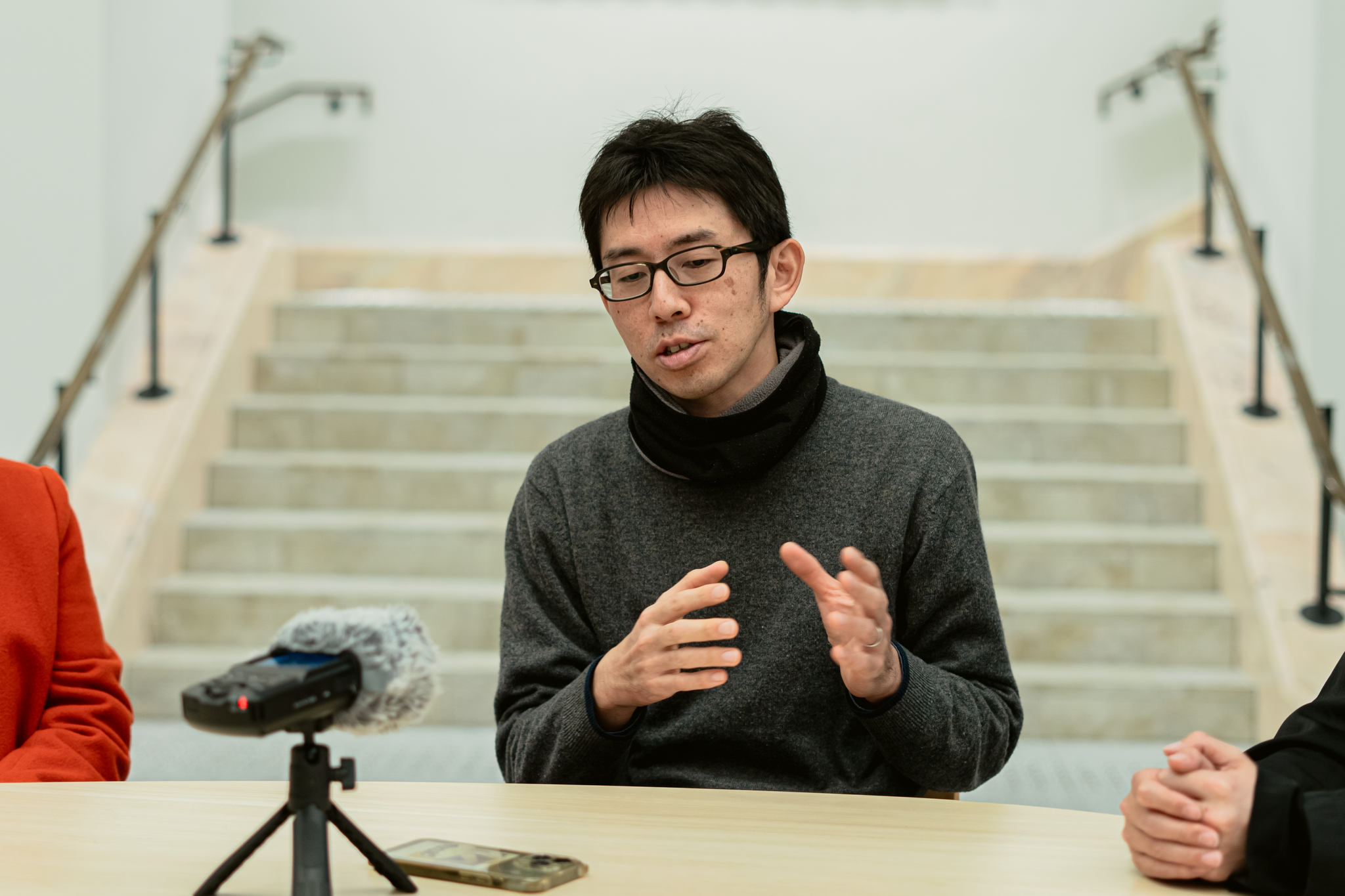
Hiraku Yamami (HINODEYA Institute for Ecological lifestyle):
We set “repair” as our central theme, and it resonated with the local community far more deeply than we had expected. We held workshops every week, and simply having neighbors bring in broken toys or household appliances naturally sparked conversation.
For us as well, being involved from the very process of searching for creators was a refreshing experience. Our wish to see our space used more openly finally took concrete form, and it also demonstrated that initiatives like this are truly feasible at this scale.
山見拓さん(ひのでやエコライフ研究所):
うちは「リペア」をテーマに掲げましたが、これが驚くほど地域に刺さりました。毎週ワークショップを開いたのですが、近所の方が壊れたおもちゃや家電を持ってくることで会話が生まれていました。
今回は自分たちにとっても、クリエイターを探すプロセスから携われたことが新鮮でした。自分たちの場所を「もっと利用して欲しい」という思いが形になり、この規模ならできるという実証にもなりましたね。
Yukiho Okuyama (STUDIO MONAKA):
As an architectural design studio, we have long been thinking about how to open up spaces. Because the site was the former administrative office of a public park — a highly public space — we initially felt a certain hesitation.
However, we had already cultivated a foundation through our ongoing Open Park initiative, which we’ve continued for about four years. Once the exhibition began, familiar local residents and student volunteers naturally started dropping by, and we sensed that community exchange deepened in an organic way. It was the first time the former park office had been utilized as a gallery or exhibition venue in such a publicly engaged manner. Through this experience, we rediscovered the appeal and possibilities of exhibitions as a project format.
奥山幸歩さん(船岡山公園(STUDIO MONAKA)):
私たちは設計事務所として「どう場所を開くか」をずっと考えていました。公園の旧管理事務所という公共性の高い場所だったので、最初は戸惑いもありました。
ただ、私たちが約4年間続けている「オープンパーク」というイベントの土壌があったことで、展示が始まると、顔なじみの住民さんや学生ボランティアが自然と入ってきてくれて、地域交流が深まった印象です。旧公園管理事務所で、ここまで公共性の高いイベントやギャラリーとして活用したのは初めてだったので、展示という企画の面白さを再発見しました。
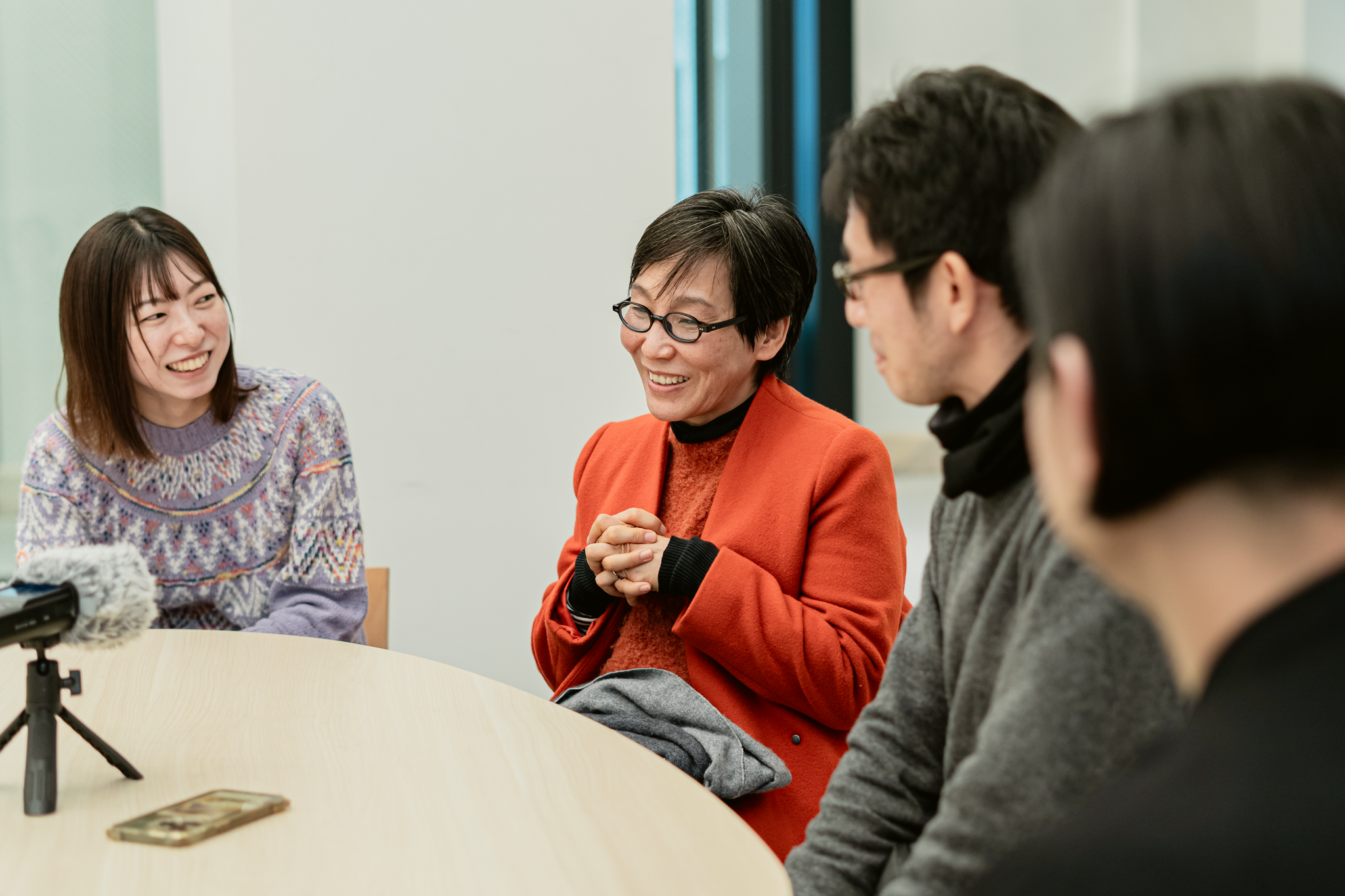
Bae Sangsun (OHARANO STUDIO):
For the AI-based artwork, we were given the opportunity to photograph approximately 100 elderly residents. Watching their own faces transform through AI, they were genuinely surprised — and delighted. Seeing advanced technology bring new energy to a community where older residents can easily become isolated was an unexpected but welcoming outcome.
The further you move into rural areas, the more everything depends on trust. Until now, we had felt that our connection with the community had not fully taken root. This time, however, because the residency was an official program organized by the City of Kyoto, it served as a kind of reassurance — a visible sign that “if it’s being done together with the city, it must be safe.” That made a significant difference.
べ・サンスンさん(OHARANO STUDIO):
AI作品のために地域の高齢者の方100人の写真を撮らせてもらったのですが、自分の顔がAIで変化していく様子を見て、皆さん本当に驚き、喜んでくれました。先端技術が、孤独になりがちな高齢者のコミュニティに活気をもたらしたのは意外な収穫でした。
地方に行けば行くほど、信頼関係がすべてです。これまでは地域との交流も深まりきれていない感じがありましたが、今回は京都市の主催するレジデンスプログラムということもあり、「市と一緒にやっているなら安心だ」という看板として機能したことは大きかったです。
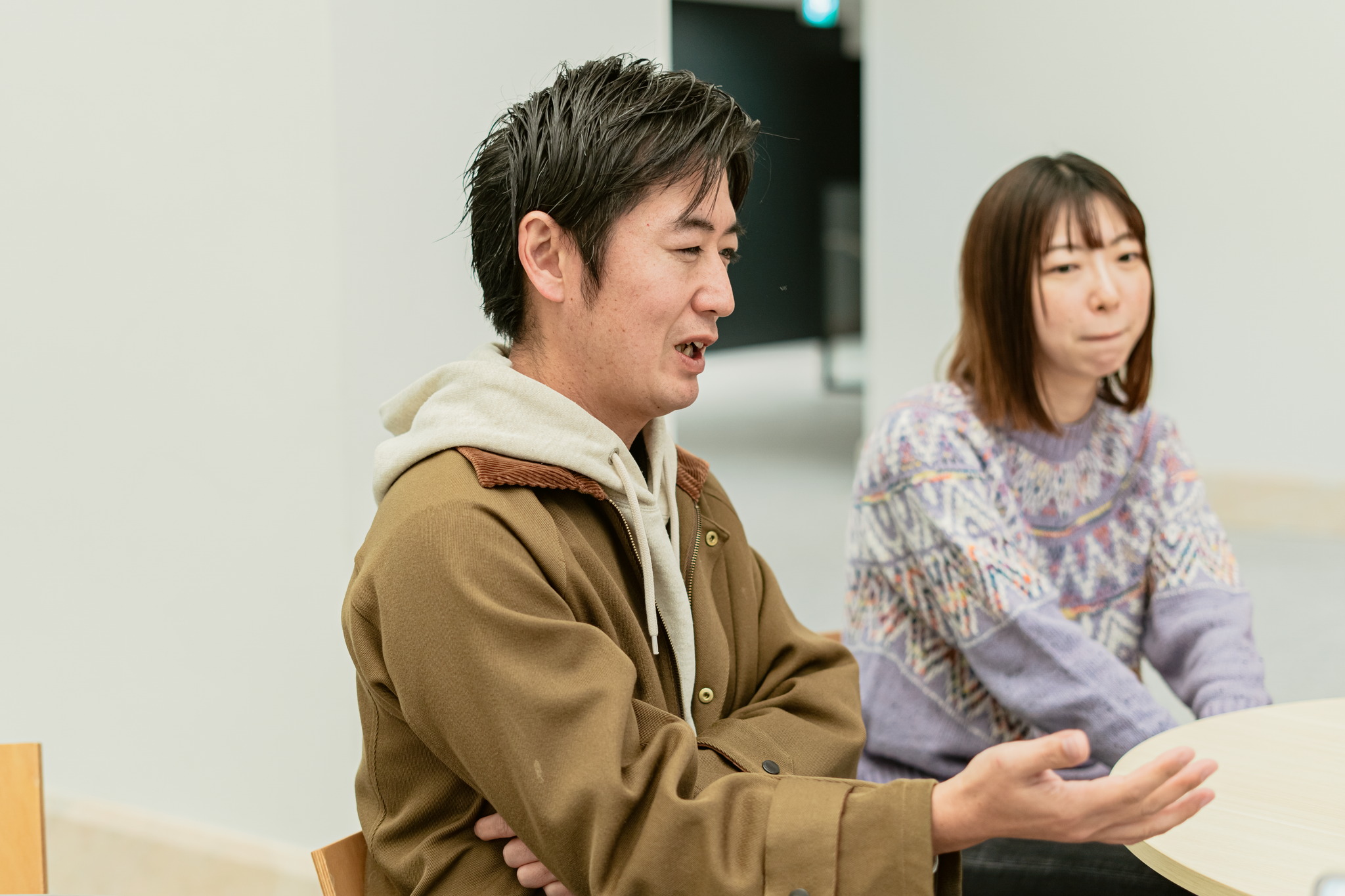
Takayuki Minakuchi (Umekoji / Real Kyoto Estate):
We had already been hosting residency programs, but this time it really reminded me how enjoyable it is when people from overseas come and stay. Even without a shared language, relationships naturally formed — whether by watching someone fillet fish, or simply sharing meals together. It was especially interesting to see people from the market get involved.
水口貴之さん(梅小路・京都R不動産):
以前から滞在制作は実施していましたが、今回改めて「海外の人が来ると楽しいな」と感じました。言葉が通じなくても、魚をさばく姿を見せて仲良くなったり、食事を共にしたりする中で関係が生まれました。市場の人たちを巻き込めたのは面白かったですね。
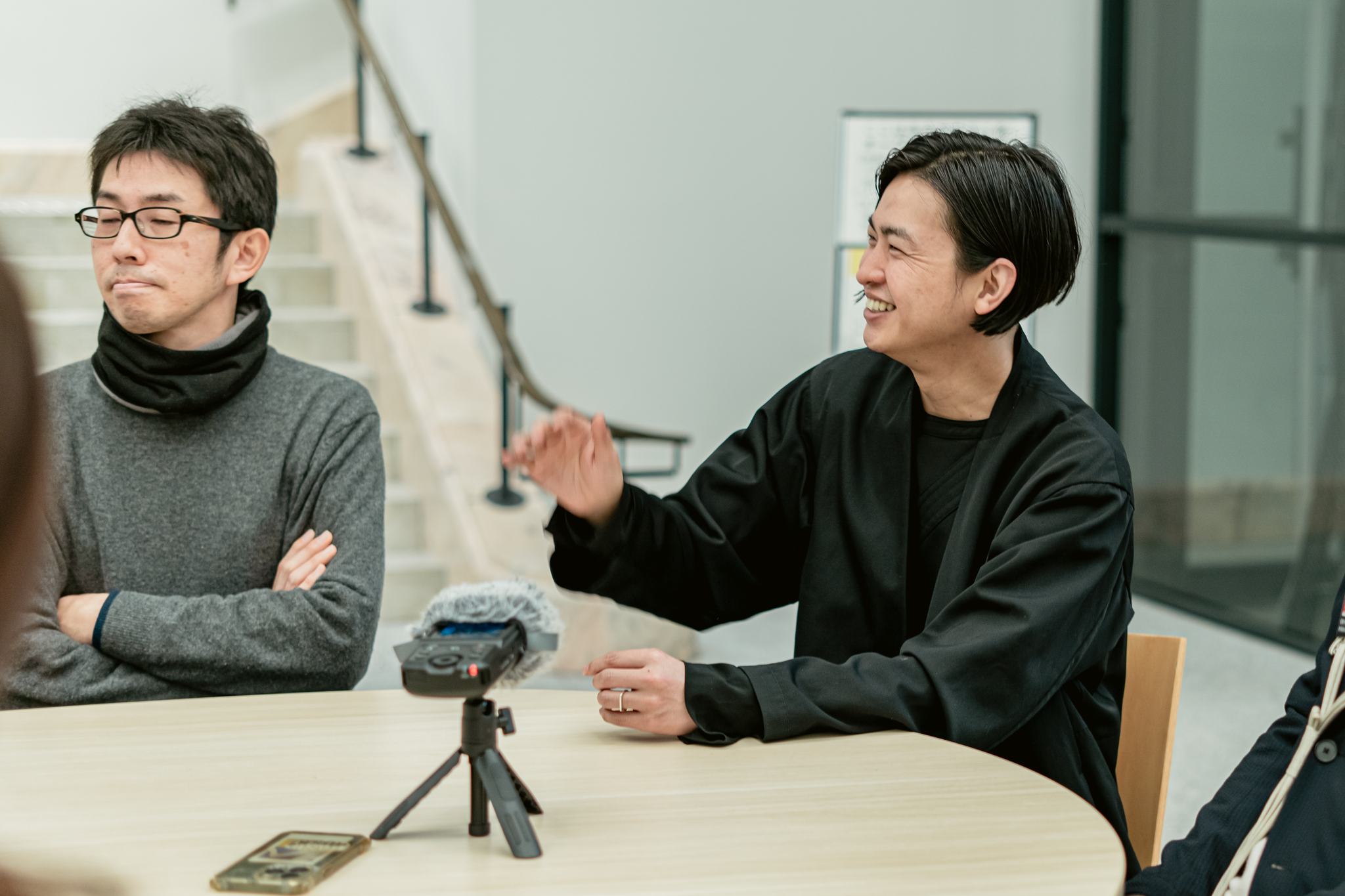
Masahiko Takeda (Former Nishijin Weaving Factory/ MAGASINN KYOTO):
Because the Former Nishijin Weaving Factory was originally my family home, allowing such a personal place to become “open” was a major challenge. My mother happily took on the cleaning and even guided visitors around. It felt as though relationships within our family were being rebuilt, and the impact was far more positive than I had imagined.
武田真彦さん(西陣織旧工場 / マガザンキョウト):
西陣織旧工場は私の実家だったこともあり、パーソナルな場所が「開かれる」ことは大きなチャレンジでした。母が喜んで掃除をしたり、お客さんを案内してくれたり。家族内の関係が再構築された気がして、想像以上に良い効果がありました。
ー I imagine there may have been some concerns before the project began?
ー スタート前の不安もあったのではないでしょうか。
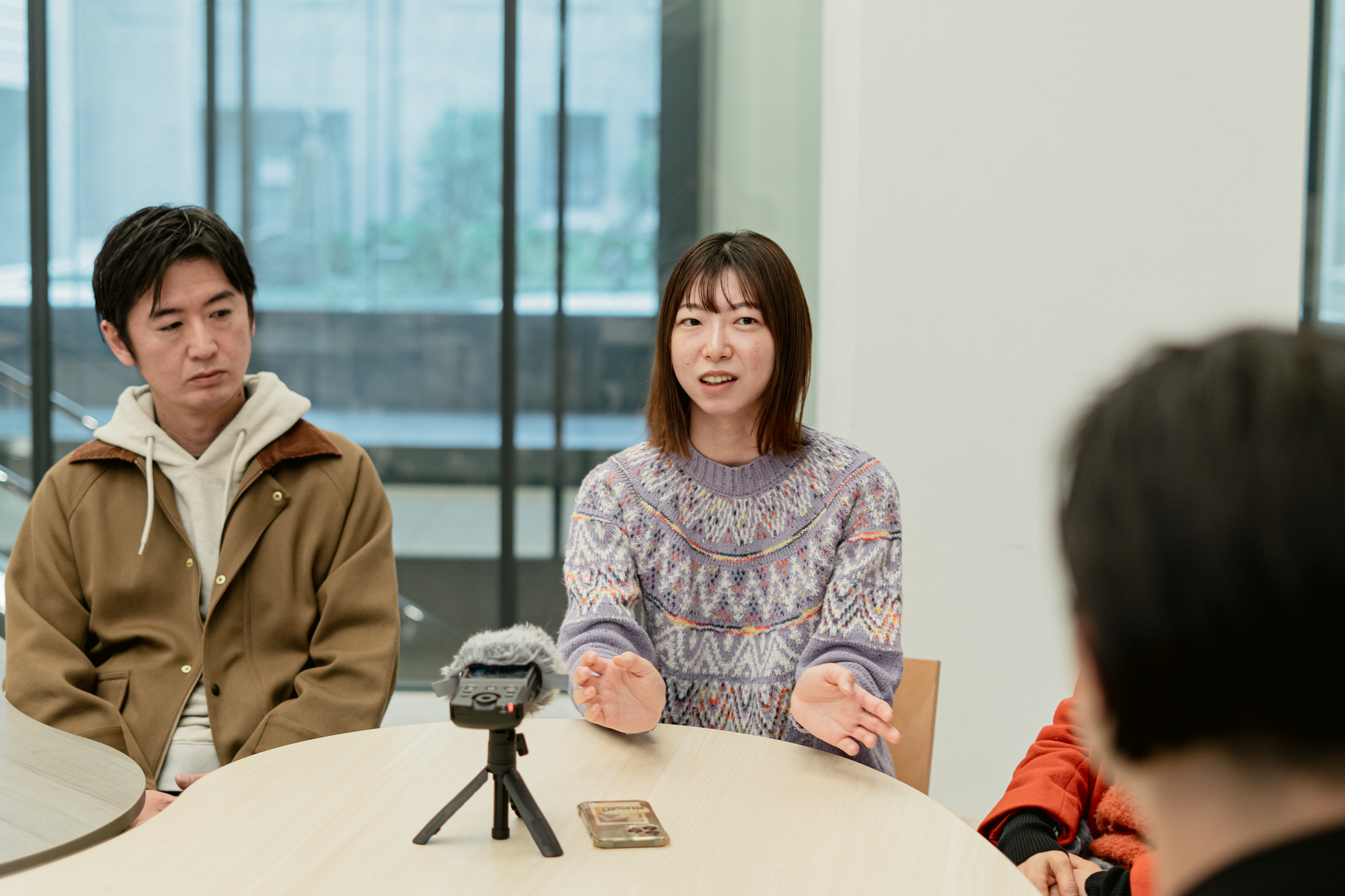
Yukiho Okuyama (STUDIO MONAKA):
Yes, there were some concerns. Our team is made up entirely of people from architectural design backgrounds, and none of us is particularly strong in English. We were feeling our way forward, wondering, “What exactly should we be preparing?”
奥山幸歩さん(船岡山公園(STUDIO MONAKA)):
不安はありました。 メンバーは建築設計の人間ばかりで、英語も得意ではない。「何を用意すればいいのか?」と手探りでした。
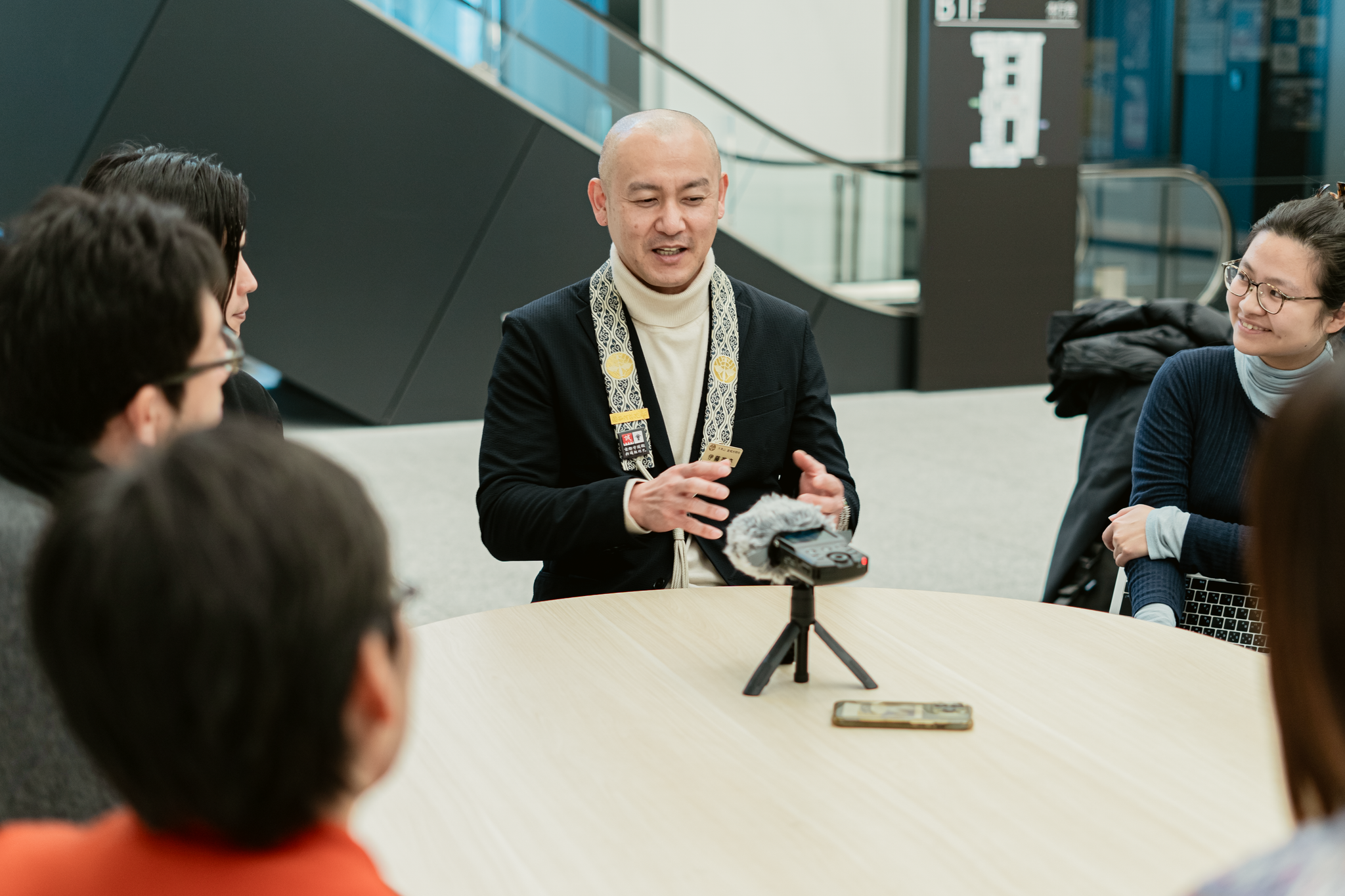
Eiryo Ito (Kurodani Konkai Kōmyō-ji Temple):
It was the same for the temple. We didn’t know who would be coming or what they would do. There was a real fear that people would think, “Why is the head temple doing something so unconventional?” That said, knowing this was an official project run by the City of Kyoto helped ease those concerns significantly.
伊藤英亮さん(くろ谷 金戒光明寺):
お寺もそうです。誰が来て何をするのか。「本山が奇天烈なことをやっている」と思われるのは怖かった。でも、市役所の事業ということでその不安はかなり拭えました。
Masahiko Takeda (Former Nishijin Weaving Factory/ MAGASINN KYOTO):
For me, it was all about the flow of visitors through the exhibition space. Guests had to pass through the living room to reach the factory, and the idea of having people walk through our living space made me quite nervous.
But the Asterisk project office team and the coordinators helped reframe this positively by saying, “That’s exactly what makes it interesting,” so we were able to move forward and make it happen.
武田真彦さん(西陣織旧工場 / マガザンキョウト):
私は展示会場の動線ですね。リビングを通ってお客さんが工場に行くので、その「リビングを通る」という点にドキドキしました。でも、アスタリスクの事務局メンバーやコーディネーターの方が「そこが面白いんだ」とポジティブに転換してくれたことで実現できました。
Takayuki Minakuchi (Umekoji / Real Kyoto Estate):
For me, it was the financial side (laughs). We were so focused on maximizing everyone’s satisfaction by inviting people out for local bars and diner, that once everything was tallied up, we were barely avoiding a loss. But since we want to continue running creator-in-residence programs in the future, being able to realistically simulate how much a one-month stay actually costs turned out to be a major takeaway.
水口貴之さん(梅小路・京都R不動産):
私は金銭面ですね(笑)。とにかく満足度を高めようとスナックや夕食に招待したりして、蓋を開ければ赤字ギリギリ。でも、クリエイターインレジデンスは今後も続けていきたいので、「一ヶ月滞在でどのくらいかかるか」というシミュレーションができたのは、大きな収穫でした。
The Future Potential of Residency Programs in Kyoto 今後の京都におけるレジデンスの可能性
— This time, youth coordinators aged 25 and under were also involved, weren’t they?
ー 今回は25歳以下の「ユースコーディネーター」も関わりましたね。
Masahiko Takeda (Former Nishijin Weaving Factory/ MAGASINN KYOTO):
Many students lent a hand in cleaning the Weaving Factory. Brushing away thirty years of accumulated dust was grueling work, but getting covered in dirt together allowed us to truly work side by side. Taking this opportunity as a starting point, we have since begun collaborating with nearby Doshisha University, and new initiatives and relationships with the younger generation are beginning to take shape.
武田真彦さん(西陣織旧工場 / マガザンキョウト):
織屋の清掃には、多くの学生が力を貸してくれました。30年の埃を払う作業は過酷ですが、一緒に泥まみれになることで協働できました。今回を機に、近所の同志社大学との連携も始まり、若い世代との新しい取り組みや関係が生まれ始めています。
Bae Sangsun (OHARANO STUDIO):
In preparation for the September residency, students spent three months enthusiastically helping with the earthen walls and painting. I was deeply moved by their commitment. It made me feel that young people can accomplish anything if they are given the opportunity. However, after the artists arrived, we did not know which youth coordinator would be assigned to our residency, and the interaction gradually came to a halt — a point that I regret.
べ・ サンスンさん(OHARANO STUDIO):
9月のレジデンスに向けて3ヶ月間、彼らが土壁やペンキ塗りを熱心に手伝ってくれたことには感動しました。「若い人は機会があれば何でもできる」と感じた。ただ、作家が来てからはどのユースコーディネーターが担当として来てくれるのかがわからず、交流が途切れてしまったのは残念なポイントでした。
Hiraku Yamami (HINODEYA Institute for Ecological lifestyle):
The tour proposed by the youth coordinators was very well received by creators. However, there were moments when it was difficult to find ways for the coordinators to get involved—for example, when the visiting creator did not require student interpretor .
山見拓さん(ひのでやエコライフ研究所):
ユースコーディネーターが提案してくれたツアーは、参加者からも好評でした。ただ、作家側が通訳を必要としなかった場合など、「関わりしろ」を見つけるのが難しかった場面もありましたね。
Eiryo Ito (Kurodani Konkai Kōmyō-ji Temple):
Today, temples can feel somewhat intimidating to younger generations. But this time, youth coordinators suggested exploring the temple, and together with the creators, we guided them through areas that are not normally open to the public.
If there is simply a starting point, an opportunity to learn, new inspiration can emerge from there. This experience reminded us that our temple, too, has the potential to serve as a catalyst, helping young people spread their wings toward the wider world.
伊藤英亮さん(くろ谷 金戒光明寺):
現在、お寺という場所は、若者にとっては少し敷居が高いものです。でも今回、ユースコーディネーターがお寺の探検をしたいと言い出してくれて、クリエイターたちも交えて、一緒に普段見られない場所を案内したんです。
「知るきっかけ」さえあれば、そこから新しいインスピレーションが生まれる。若者が世界へ羽を引き出す触媒として、私たちの場所も活用できる余地があるんだと再認識させていただきました。
— While there were many meaningful experiences and outcomes, I imagine there were also difficulties. What do you see as the key challenges going forward, and what are your prospects for 2026?
ー 様々な体験や結果がでた反面、苦労もあったかと思います。今後の課題と、2026年に向けた展望はいかがでしょうか。
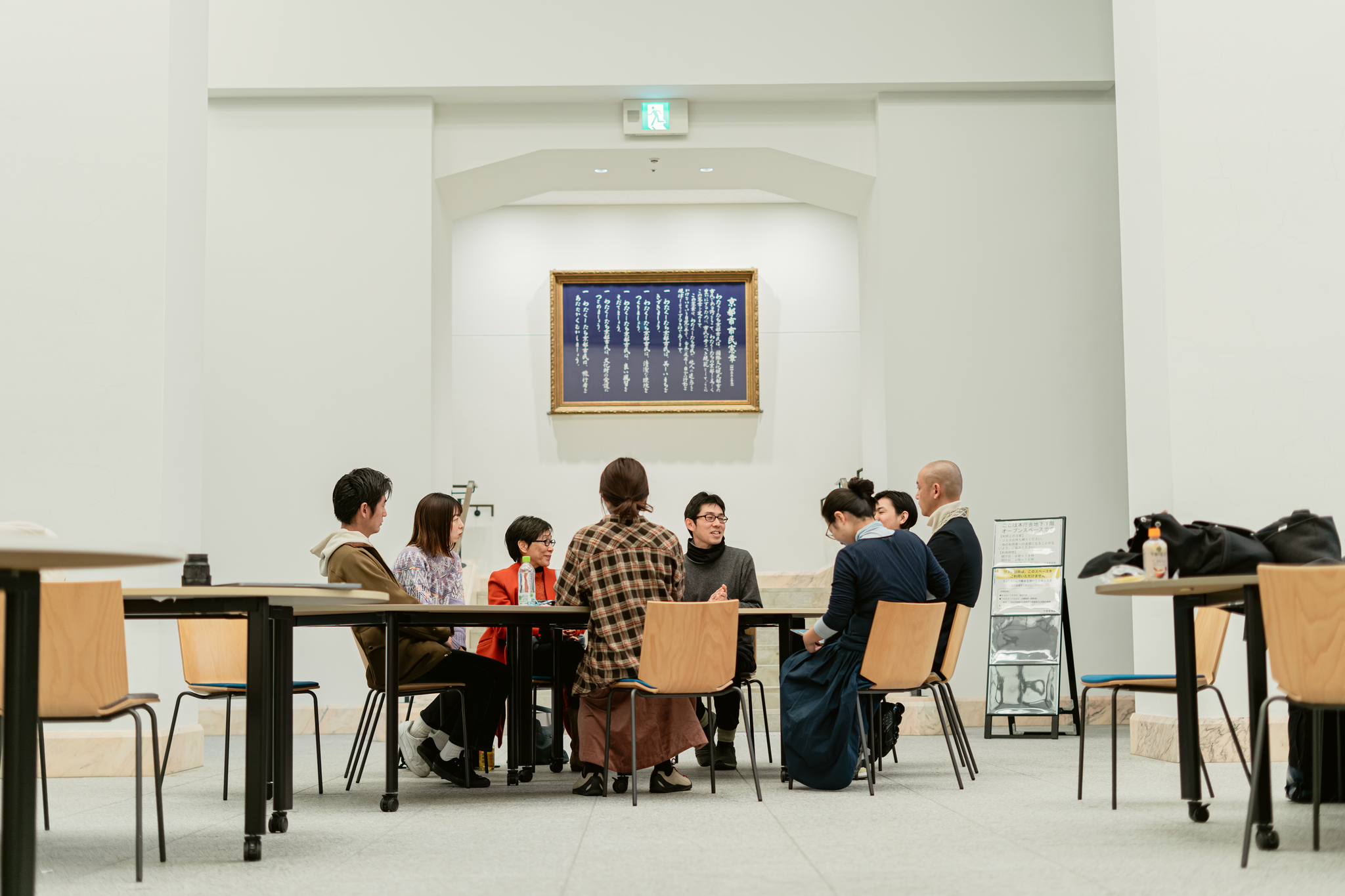
Bae Sangsun (OHARANO STUDIO):
For this residency, I began by clearing a bamboo grove over the course of three months and repairing the living quarters. To be honest, the budget was tight, and renovating in the height of summer was so physically demanding, I never want to do it again (laughs). But through that process, I came to realize that the process of preparing the space itself is the very essence of a residency.
Moving forward, I hope to continue refining this site. Oharano is known for its bamboo and takenoko (bamboo shoots). Rather than simply consuming them as food, I would like to collaborate with specialists who can elevate these local resources into biomaterials or artistic expressions. My aim is not to create just another accommodation facility, but to develop something closer to a research hub, that would creatively engage with regional challenges.
べ・ サンスンさん(OHARANO STUDIO):
私は今回、3ヶ月かけて竹藪を切り開き、住居を直すところから始めました。正直、予算面は少しシビアで、真夏の改修は二度とやりたくないほど過酷でしたが(笑)、その「場を整えるプロセス」こそがレジデンスの本質だと気づきました。
今後は、この場所をさらに磨き上げたい。次は、大原野の特産である「竹」や「タケノコ」といった地域資源を、ただ食べるだけでなく、バイオ素材やアート表現として昇華させる専門家と出会いたいですね。単なる宿泊施設ではなく、地域の課題をクリエイティブに解決する「研究拠点」のような形を目指したいです。
Masahiko Takeda (Former Nishijin Weaving Factory / MAGASINN KYOTO):
On a personal level, this was my first experience opening up my family home — a private space — to the public. I had concerns about how the flow would be after opening the home as a shared space, where creators and visitors would pass through my own living room. In practice, however, participants commented that the proximity between the everyday and the extraordinary was precisely what made it interesting.
More than anyone, my mother is the one who seems happiest about the outcome (laughs). She was anxious at first, but by the end, she said she was glad we did it. Looking ahead, we are considering partnering with a nearby apartment building to combine accommodation with presentation opportunities. Even on a small scale, I hope to continue building a network of collaborators and creating opportunities to try new initiatives—including possible connections with programs such as KYOTO GRAPHIE’s KG+. In many ways, the real excitement begins now.
武田真彦さん(西陣織旧工場 / マガザンキョウト):
個人的なことですが、実家というプライベートな空間を開放するという初めての体験でもありました。私は「住み開き」のような動線の不安がありました。自宅のリビングを通って作家や来客が移動する。でも、実際やってみると「日常と非日常の距離感が面白い」と参加者の方に言っていただきました。
何よりこの状況を喜んでいるのが私の母親です(笑)。最初は不安がっていましたが、終わった頃にはやってよかったと話しています。今後は近くのアパートと連携して、滞在と発表をセットにする試みを検討中です。小さくても仲間づくりを続け、KYOTO GRAPHIEのKG+なども含め、いろんな人と新しいことができるきっかけを作りたいですし、これからが本当に楽しみです。
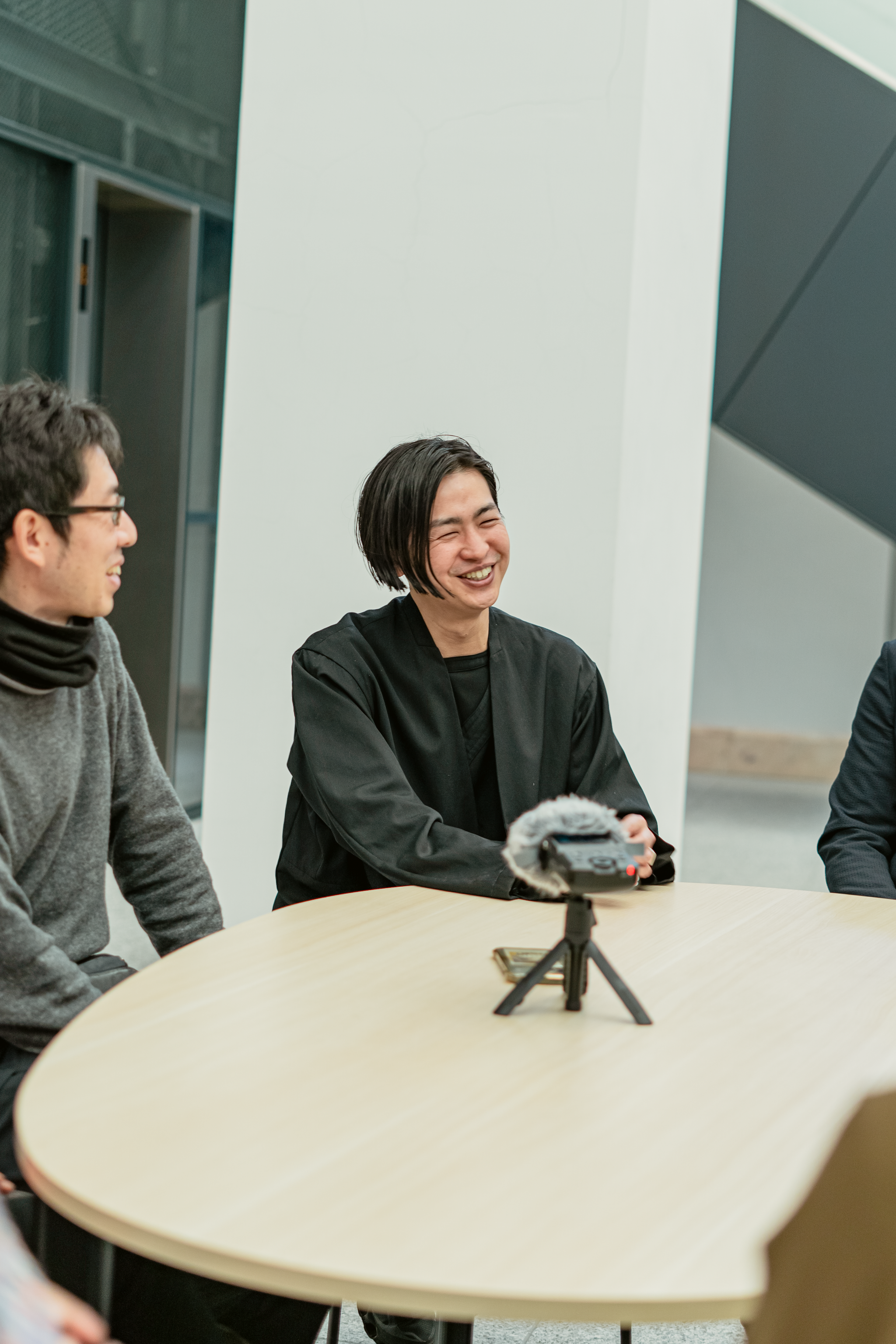
Eiryo Ito (Kurodani Konkai Kōmyō-ji Temple):
For us, the greatest achievement was that people became aware that the temple is taking on new initiatives. At first, I was concerned about how our head temple might view the project, but in the end, the response was entirely positive.
One point of reflection concerns support for women creators. In hindsight, we should have ensured that female staff members were available on the temple side as well. This way, we could have provided more attentive support. Looking ahead, we hope to secure budget support from the head temple and continue the program over the next two or three years, eventually expanding into a more dynamic initiative that makes use of the entire temple.
伊藤英亮さん(くろ谷 金戒光明寺):
私は今回、お寺が「新しいことを始めている」と知ってもらえたことが最大の成果だと思っています。最初は本山からどう見られるか不安もありましたが、終わってみれば良い反応ばかり。
改善したい点としては、「女性クリエイター」に対して、お寺側にも女性スタッフを配置すべきだったという反省があります。もっときめ細かなサポートができたはずだと。来年度は本山の予算措置も視野に入れて、2年、3年と継続して、お寺全体を使ったダイナミックな企画に挑戦したいですね。
Yukiho Okuyama (STUDIO MONAKA):
At Funaokayama, we are envisioning outdoor exhibitions and perhaps even a small-scale art festival that involves the whole neighborhood. Rather than a one-time event, we want to invite new creators each year and allow their creative works and dialogue to gradually accumulate within the community. Perhaps that is what a “Kyoto-style” residency is all about.
奥山幸歩さん(船岡山公園(STUDIO MONAKA)):
船岡山では、次は屋外展示や、街全体を巻き込んだ「プチ芸術祭」のような構想を持っています。一度きりのイベントで終わらせず、毎年新しいクリエイターが来て、街に作品や対話が蓄積されていく。それが「京都らしいレジデンス」の形なのかなと。
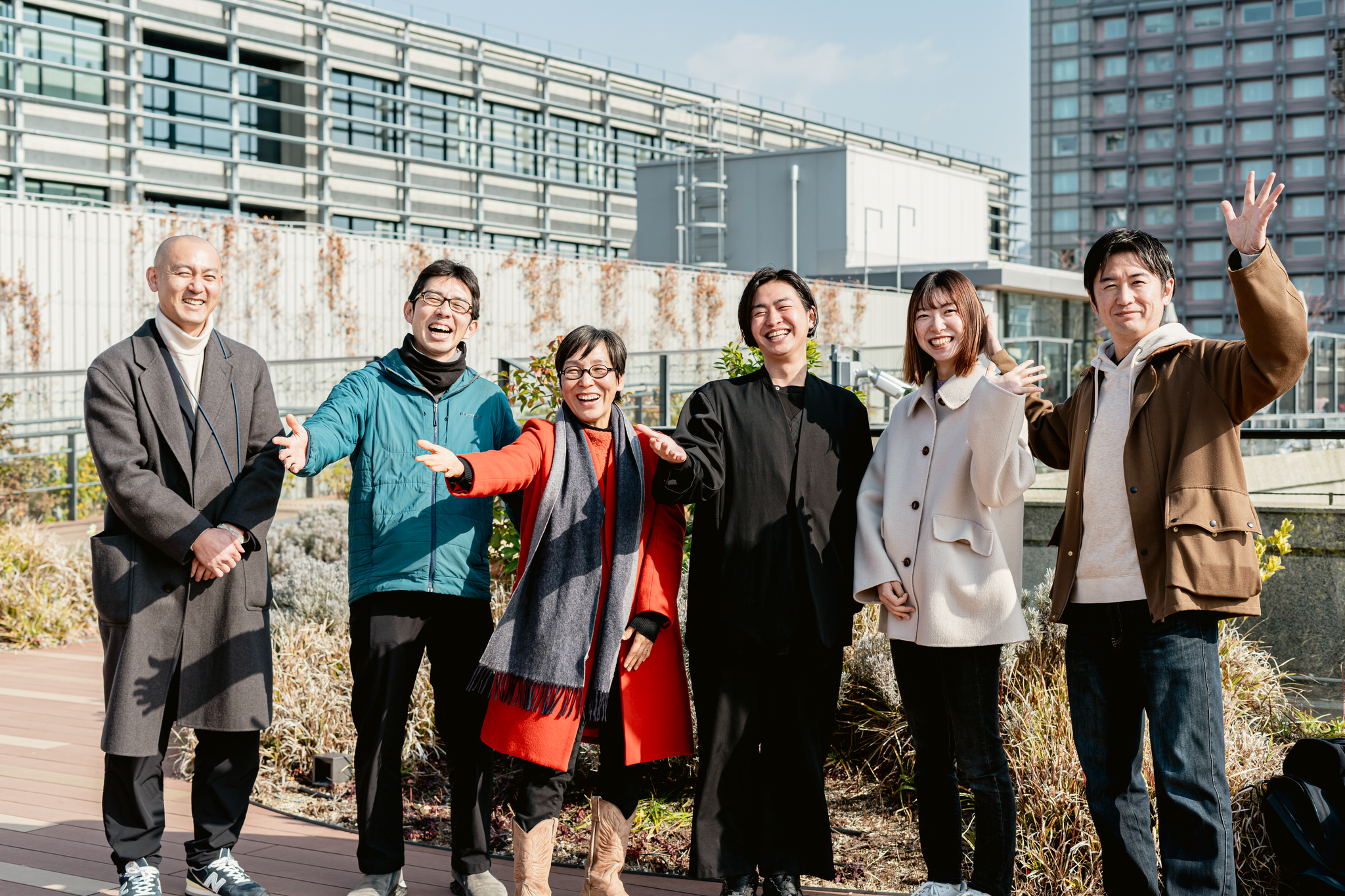
After the Roundtable 座談会を終えて
Having overcome language barriers, the grueling task of cleaning in the height of summer, and the careful work of explaining their activities to local residents, each participants concluded with the same words: “We’re glad we did it.” Their voices carried a deep and unmistakable sense of conviction.A residency is not simply about providing a space for creators. It is also a process through which hosts revisit and redefine their own town and base of operations through the perspective of others.
A weaving factory that had remained closed for thirty years reopened its doors. Within the quiet grounds of Konkai Kōmyō-ji Temple, new questions were quietly set in motion. In these moments, Kyoto began to shift from a repository of tradition into an experimental field cultivating the future. To sustain this momentum, it will be essential to establish frameworks that allow organizers to operate independently. Furthermore, if individual residency sites deepen their connections by encouraging exchange among creators visiting each residencies and even fostering collaborative creation, an even richer layer of experience will emerge. This, in turn, may enrich the ways people live in and engage with Kyoto, filling the city with ever greater diversity.
In the coming years as well, the City of Kyoto will continue to fully support these initiatives, so that creative residencies such as these may emerge throughout various parts of Kyoto and be nurtured in sustainable ways.
言葉の壁、真夏の清掃、地域住民への説明などを乗り越え、「やってよかった」と話す彼らの言葉には、確かな実感がこもっていました。レジデンスとは、単にクリエイターに場所を貸すことではありません。それは、オーナー自身が自分の住む街や拠点を、「他者の視点」で見つめ直し、再定義するプロセスでもあります。
30年閉ざされていた織屋の扉が開かれ、お寺の静寂に新しい問いが投げかけられるなど、京都の街は伝統の保管庫から、未来を耕す実験場へと変わりました。継続していくためには、運営側が自走できる仕組みづくりも欠かせません。またそれぞれの拠点がお互いのレジデンスクリエイターと交流したり、共同制作をできたりするような連携も強まれば、より一層深い体験が生まれ、京都の街での過ごし方がもっと多様性に満ち溢れたものになりそうです。
次年度以降も、こうしたクリエイティブな滞在が京都の各地で生まれ、それらが持続可能な形で育まれるよう、京都市としても全力でサポートし、取り組みを進めていきます。